Turmeric leaf
강황잎
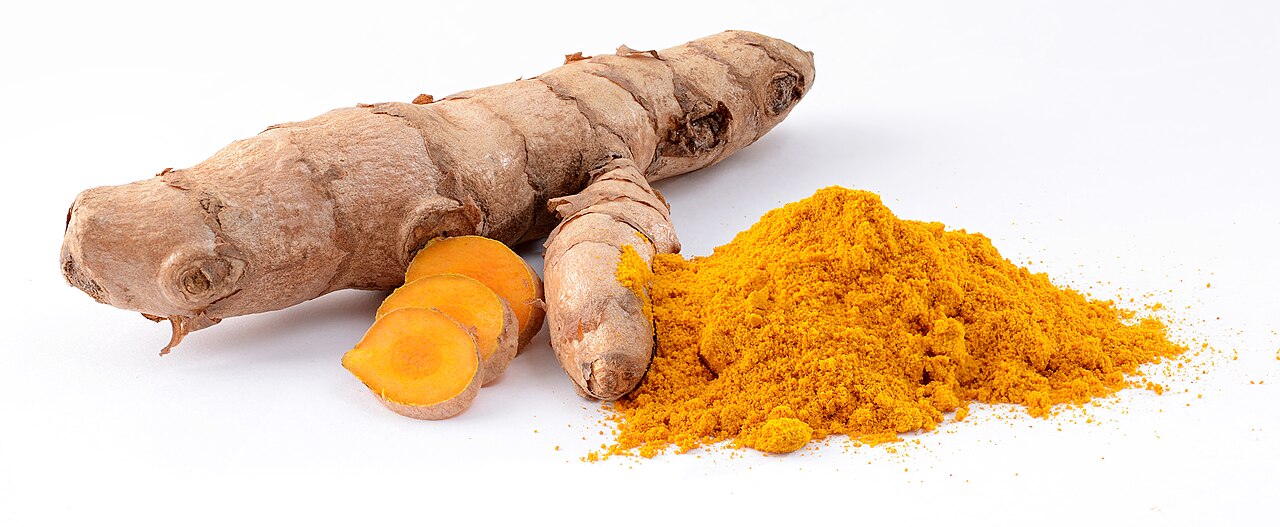
ⓒ
Photo: Simon A. Eugster · CC BY-SA 3.0 · Original file (Wikimedia Commons)
The leaf of turmeric, the yellow spice used in curry. When rice cakes are wrapped in these big leaves and steamed, the whole kitchen fills with fragrance. The real aroma of Malaysian rendang curry also comes from this leaf.
Flavor and aroma
- Fresh leaves have almost no smell, but cut or pounded they smell sour, grassy and minty.
- Cooked, they have a floral, ginger-like sharp and slightly bitter aroma.
Fun facts
- It's in the ginger family (Zingiberaceae), the same as ginger.
- In Goa, India, patoleo, rice cakes made with these leaves, are eaten at a festival during the monsoon season (July–September).
- Marco Polo is said to have described turmeric as a vegetable with the properties of saffron, though it is not saffron.
In the kitchen
Steaming
- Fill rice-flour dough with coconut, palm sugar and cardamom, wrap it in turmeric leaves and steam it. This is Goa's patoleo.
Curries
- Finely shred the leaves into rendang in Malaysia, Singapore and Indonesia.
Fish
- Wrap fish in the leaves and grill or fry it. Indonesia and Thailand have dishes steamed in the leaves.
Rice
- Add it to nasi ulam, an herb rice salad from northern Malaysia.
Goes well with
CoconutPalm sugarRice flourFishBeefLemongrass
Tips
- The leaves usually aren't eaten; they're used for wrapping and adding aroma. If you can't find them, use banana leaves instead (the aroma is different).
Season
We're still checking the season. We'll add it once we find a source.
Details
- Korean name
- 강황잎
- English names
- turmeric leaf
- Scientific name
- Curcuma longa
- Family
- Zingiberaceae
- Genus
- Curcuma
- Other names and notes
- Malay: daun kunyit
Show sources for this page
References for this herb
- Specialty Produce
- NParks(싱가포르 국립공원청)
- Gomantak Times
- Singaporean Malaysian Recipes
- SBS Food
Name and classification
Photo
Simon A. Eugster · CC BY-SA 3.0 · Original file (Wikimedia Commons)