77 herbs cooked with around the world that are still unfamiliar in Korea.

Herb of the day

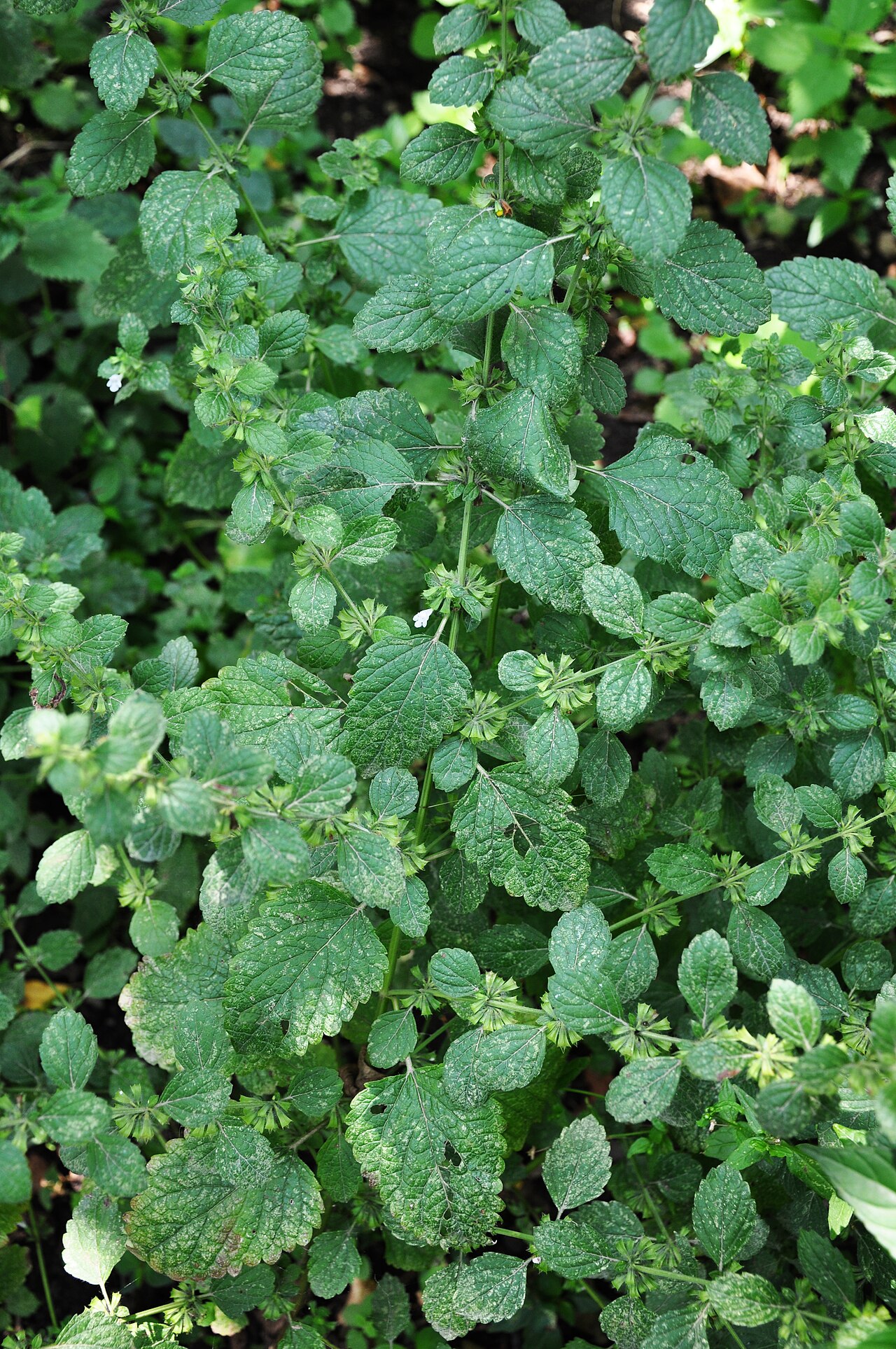
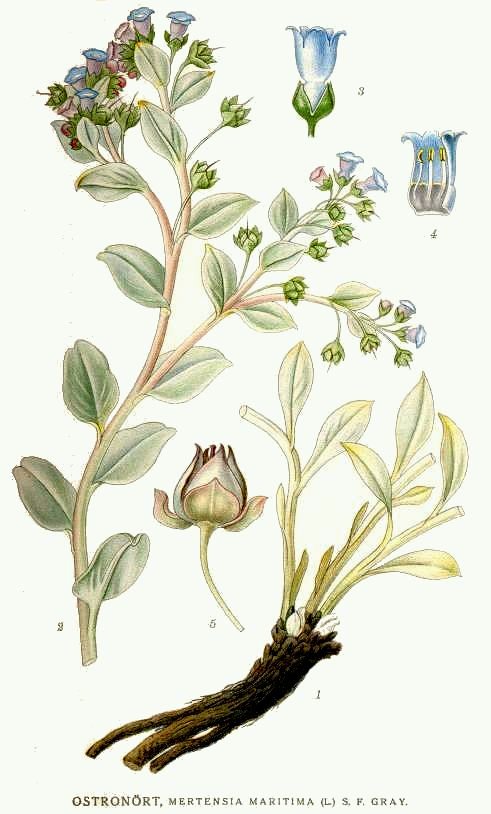
Photo of Oyster leaf
ⓒ

Photo: Carl Axel Magnus Lindman · Public domain · Original file (Wikimedia Commons)

Oyster leaf

오이스터 리프

A thick, fleshy leaf that grows on pebbly beaches. One bite and a salty taste of the sea spreads through your mouth, which is why it's called "oysters made of vegetables." Some people say it tastes like oysters, and others say its chewy texture is what resembles them.

More about Oyster leaf →
A different herb is picked each time you open the page.

All herbs (77)

Photo of Oyster leaf
ⓒ

Photo: Carl Axel Magnus Lindman · Public domain · Original file (Wikimedia Commons)

Oyster leaf

오이스터 리프

A thick, fleshy leaf that grows on pebbly beaches. One bite and a salty taste of the sea spreads through your mouth, which is why it's called "oysters made of vegetables." Some people say it tastes like oysters, and others say its chewy texture is what resembles them.

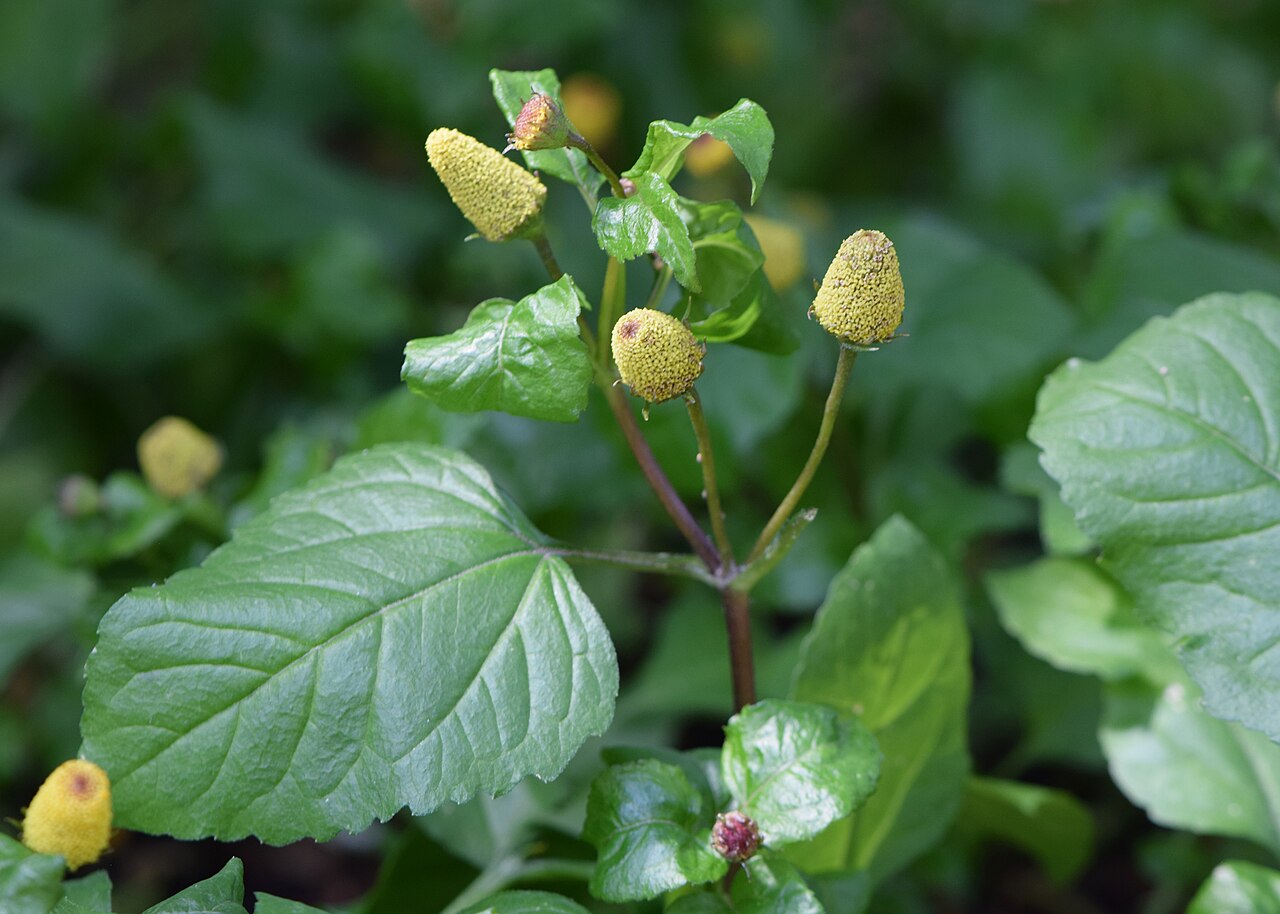
Photo of Szechuan button
ⓒ

Photo: Krzysztof Ziarnek, Kenraiz · CC BY-SA 4.0 · Original file (Wikimedia Commons)

Szechuan button

전기 데이지

Chew one of these little yellow flower buds and the tip of your tongue tingles and buzzes, like eating popping candy, and your mouth fills with saliva. The feeling can last up to about 10 minutes.

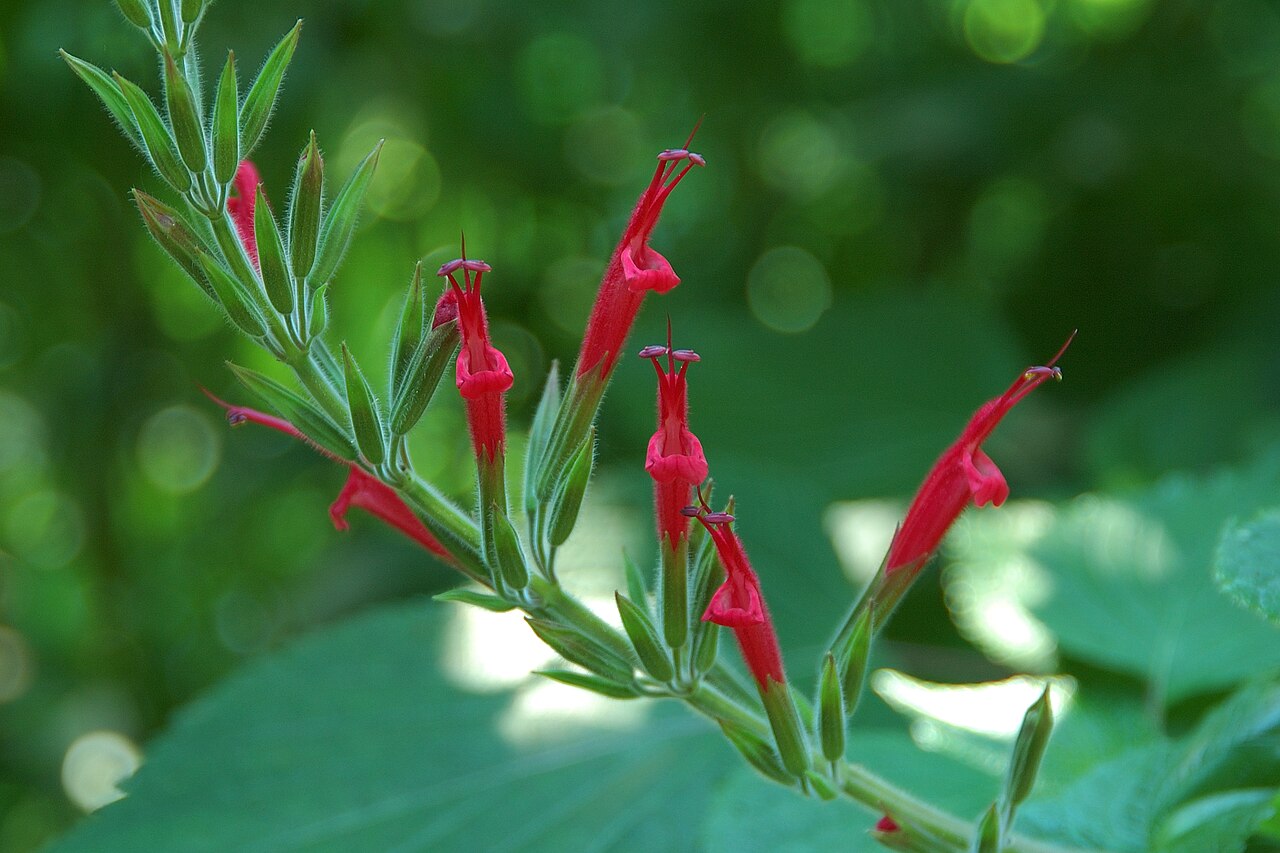
Photo of Pineapple sage
ⓒ

Photo: Eric Hunt · CC BY 2.5 · Original file (Wikimedia Commons)

Pineapple sage

파인애플 세이지

Rub a leaf gently between your fingers and you get a strong smell of ripe pineapple. The bright red flowers that bloom from late summer into autumn are edible too, with a sweet fruity taste and a hint of mint.

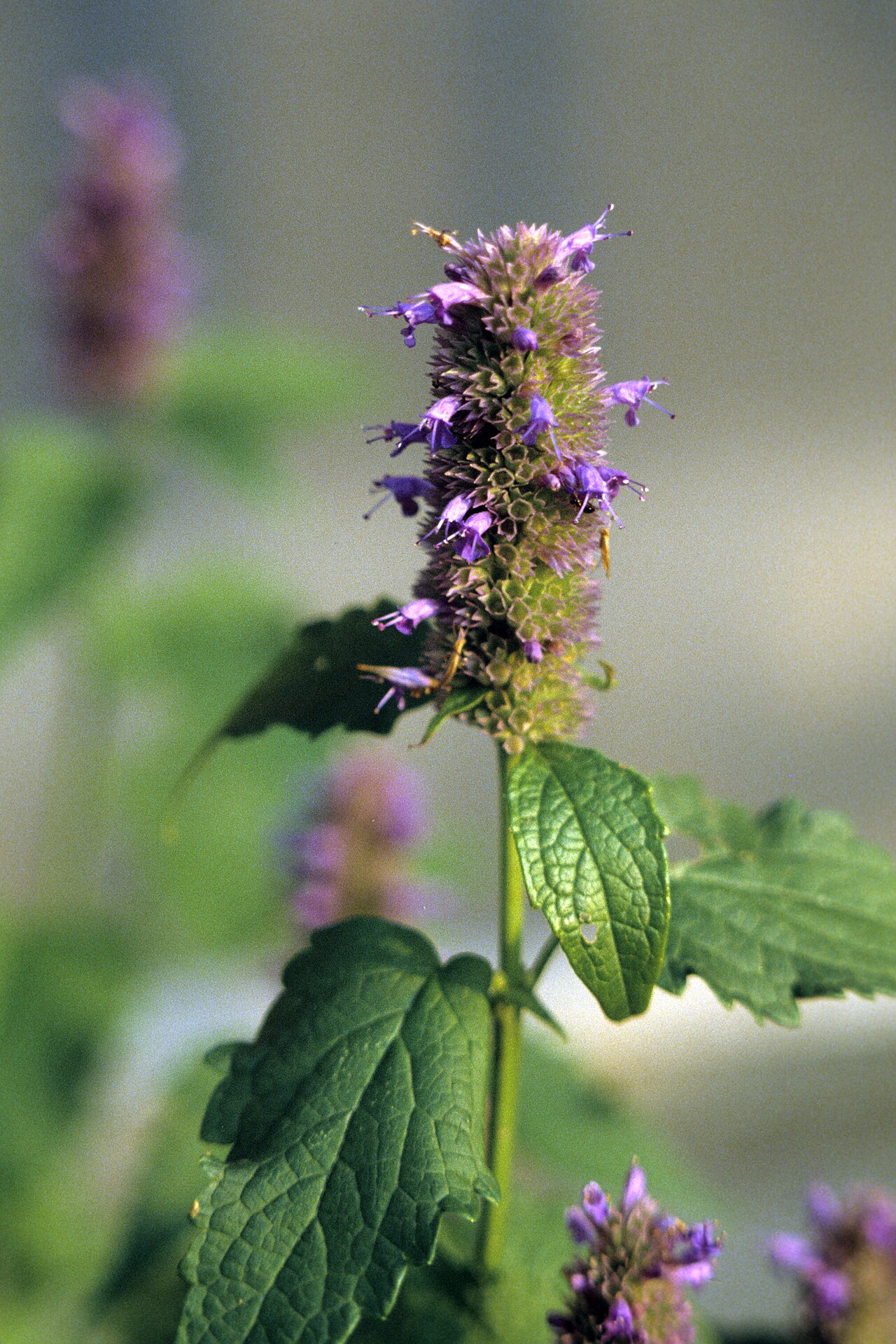
Photo of Anise hyssop
ⓒ

Photo: WayneRay · Public domain · Original file (Wikimedia Commons)

Anise hyssop

아니스 히솝

The name may be unfamiliar, but it's a close relative of Korean mint (baechohyang, or bang-a leaf). The leaves have a gentle, sweet licorice-like aroma, and the purple flowers are edible too.

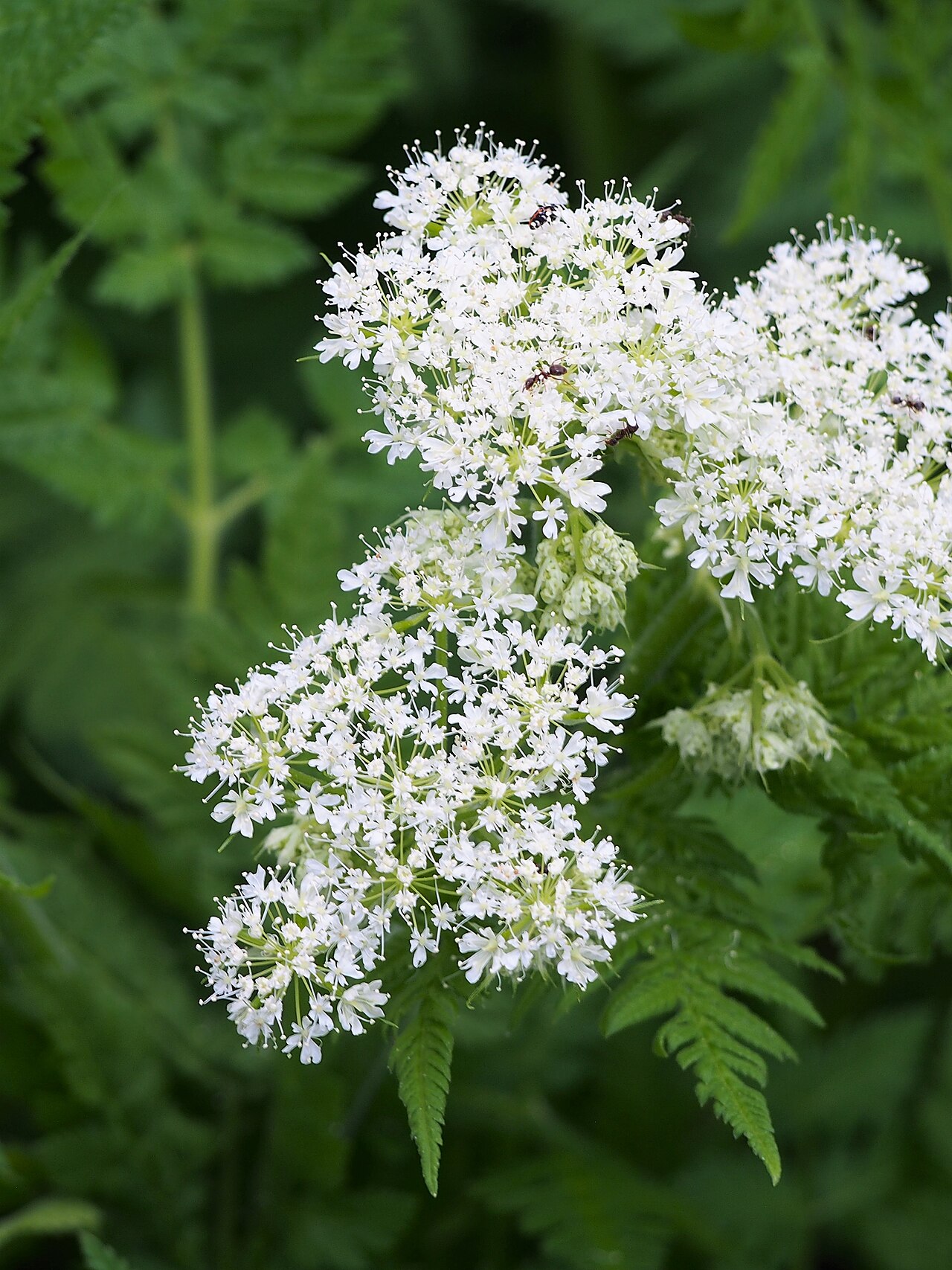
Photo of Sweet cicely
ⓒ

Photo: Agnieszka Kwiecień, Nova · CC BY-SA 4.0 · Original file (Wikimedia Commons)

Sweet cicely

스위트 시슬리

Its soft, fern-like leaves have a sweet licorice aroma. Cooked with tart fruit, it softens the sourness, so you can use much less sugar.

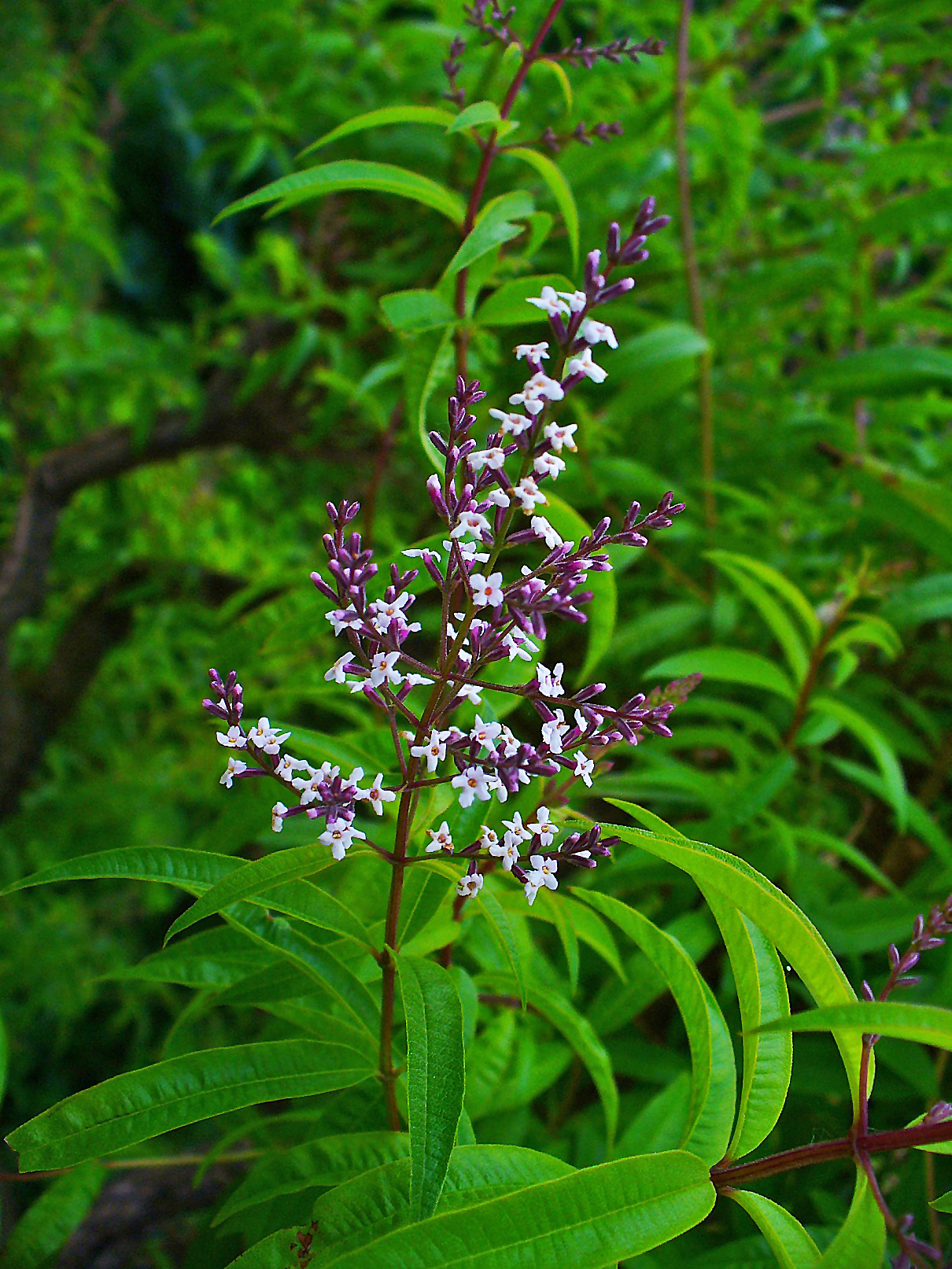
Photo of Lemon verbena
ⓒ

Photo: H. Zell · CC BY-SA 3.0 · Original file (Wikimedia Commons)

Lemon verbena

레몬 버베나

Just rub a leaf and your hands pick up a strong lemon scent. In France it's called verveine and is popular as an after-dinner tea. Add it to ice cream for a fresh lemon-scented dessert.

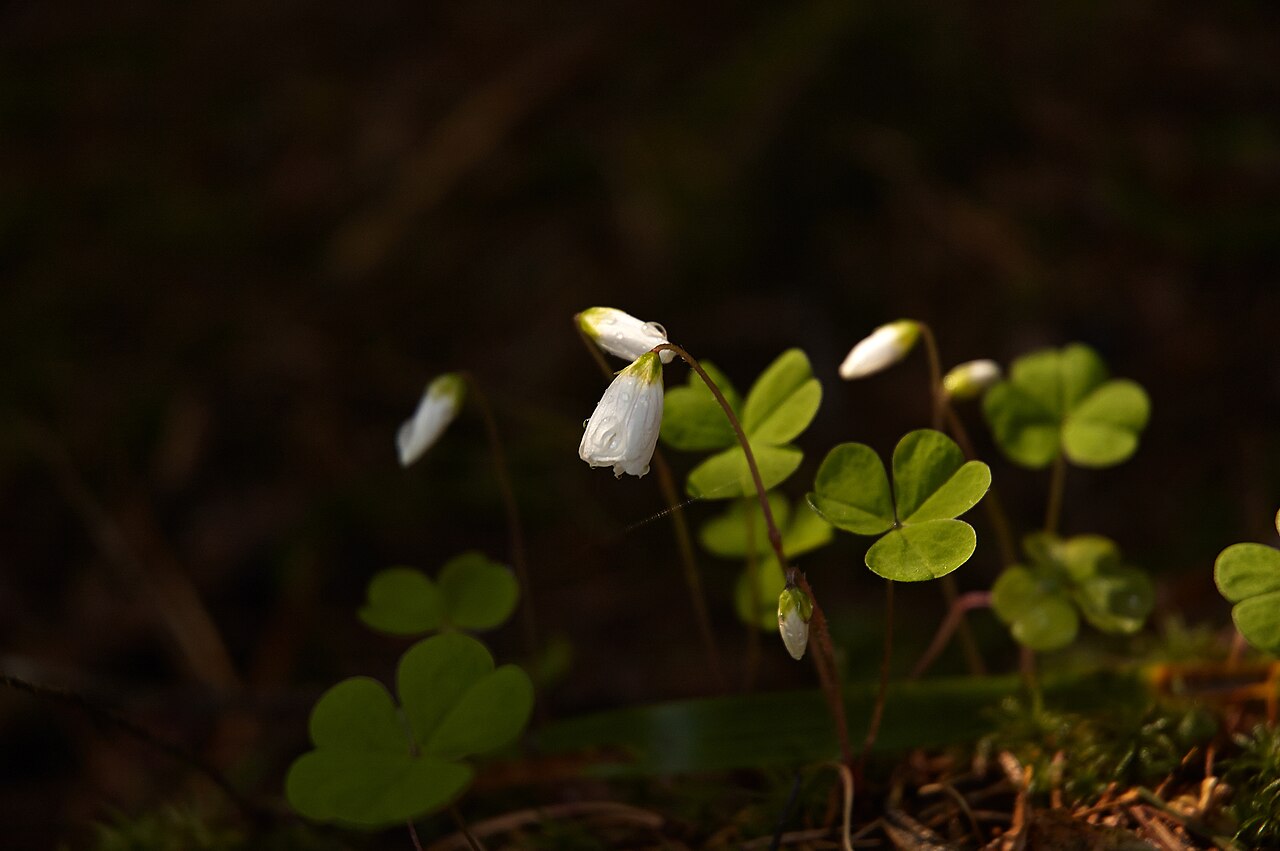
Photo of Wood sorrel
ⓒ

Photo: Dmitry Makeev · CC BY-SA 4.0 · Original file (Wikimedia Commons)

Wood sorrel

우드 소렐

It looks like clover, but one bite is as sour as lemon and apple peel. It belongs to the same group as the creeping wood sorrel (gwaengi-bap) often seen by Korean roadsides.

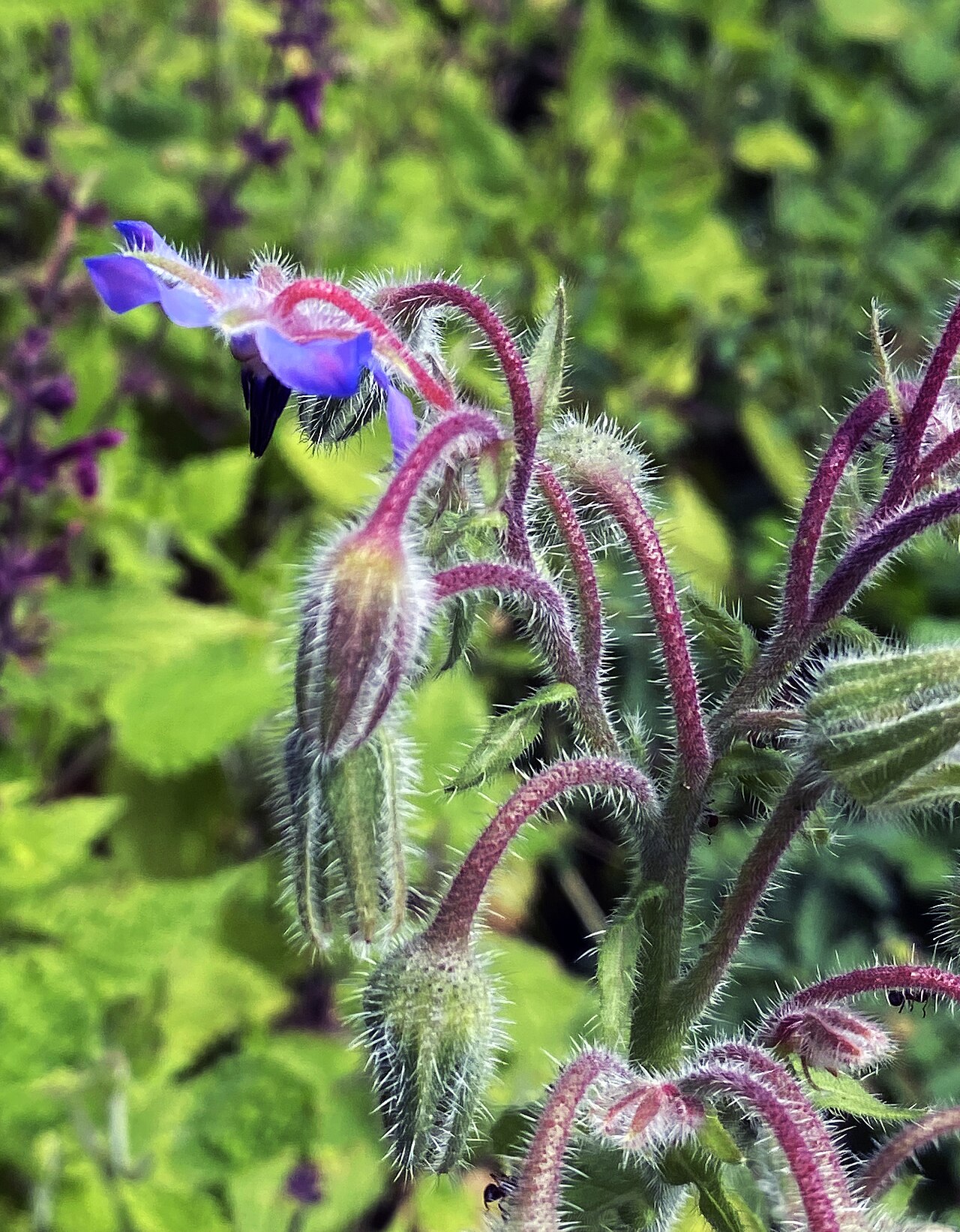
Photo of Borage
ⓒ

Photo: W. Bulach · CC BY-SA 4.0 · Original file (Wikimedia Commons)

Borage

보리지

An herb with blue star-shaped flowers and fuzzy leaves. Surprisingly, the leaves and flowers taste like cucumber. In fact, they contain the same compound that gives cucumber its aroma.

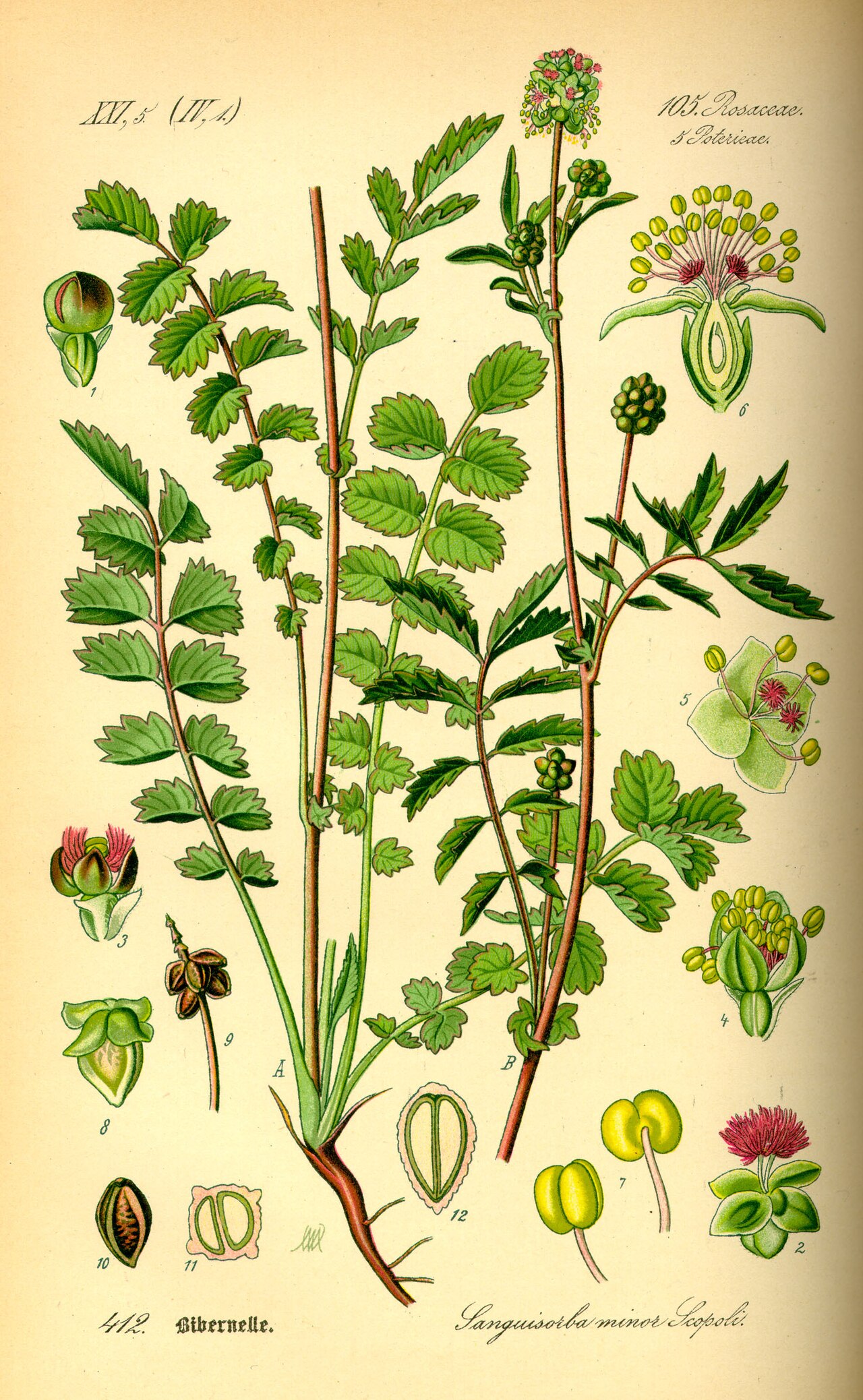
Photo of Salad burnet
ⓒ

Photo: Otto Wilhelm Thomé · Public domain · Original file (Wikimedia Commons)

Salad burnet

샐러드 버넷

Its round, toothed leaves taste gently of cucumber. In Britain, people sometimes float these leaves on a gin and tonic instead of cucumber. It belongs to the same group as Korea's mountain great burnet (oipul).

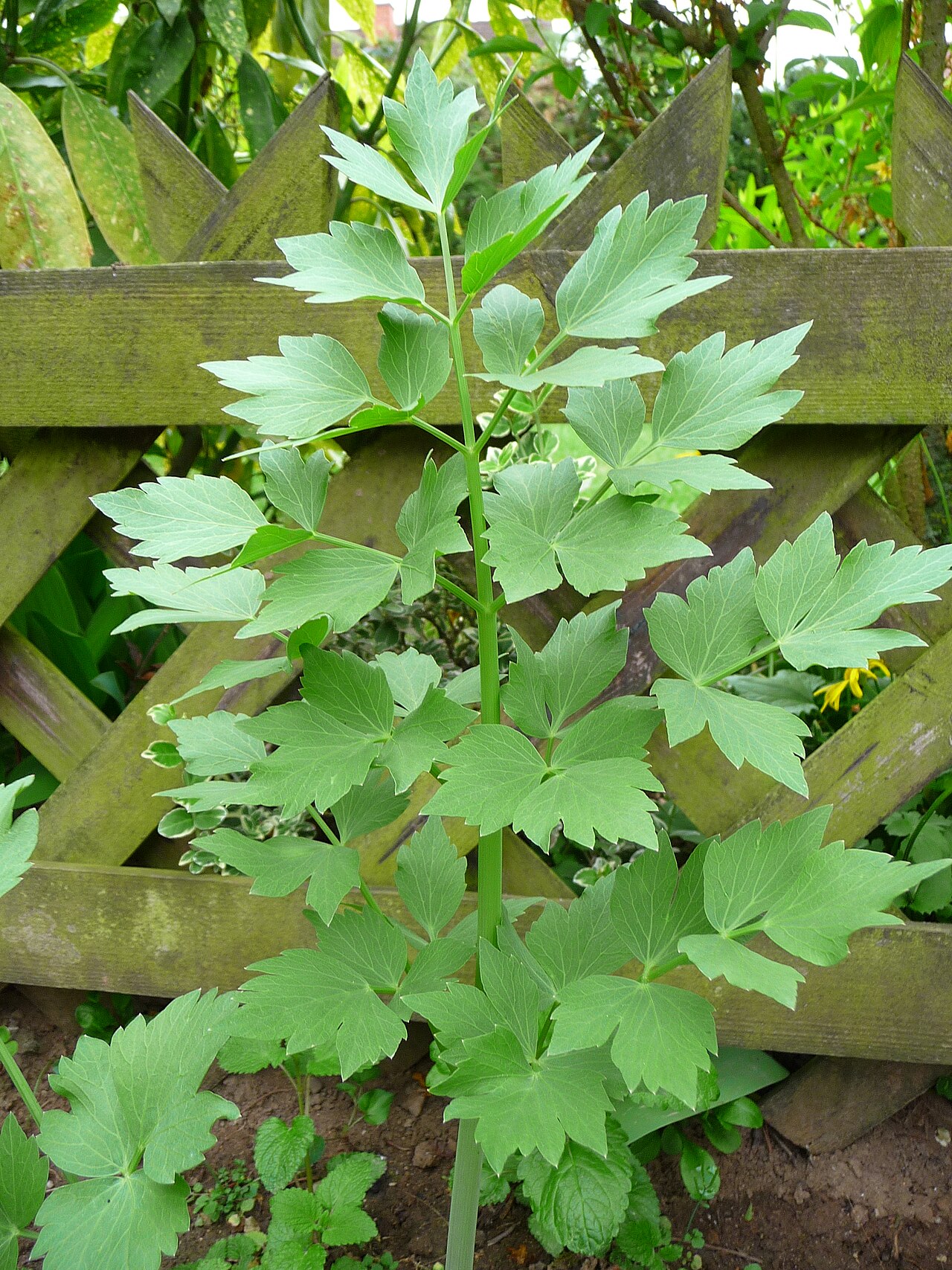
Photo of Lovage
ⓒ

Photo: 4028mdk09 · CC BY-SA 3.0 · Original file (Wikimedia Commons)

Lovage

러비지

It tastes like celery made several times stronger. Just a few leaves fill a whole pot with celery aroma. In Germany it's called "Maggi herb" because its taste resembles Maggi seasoning.

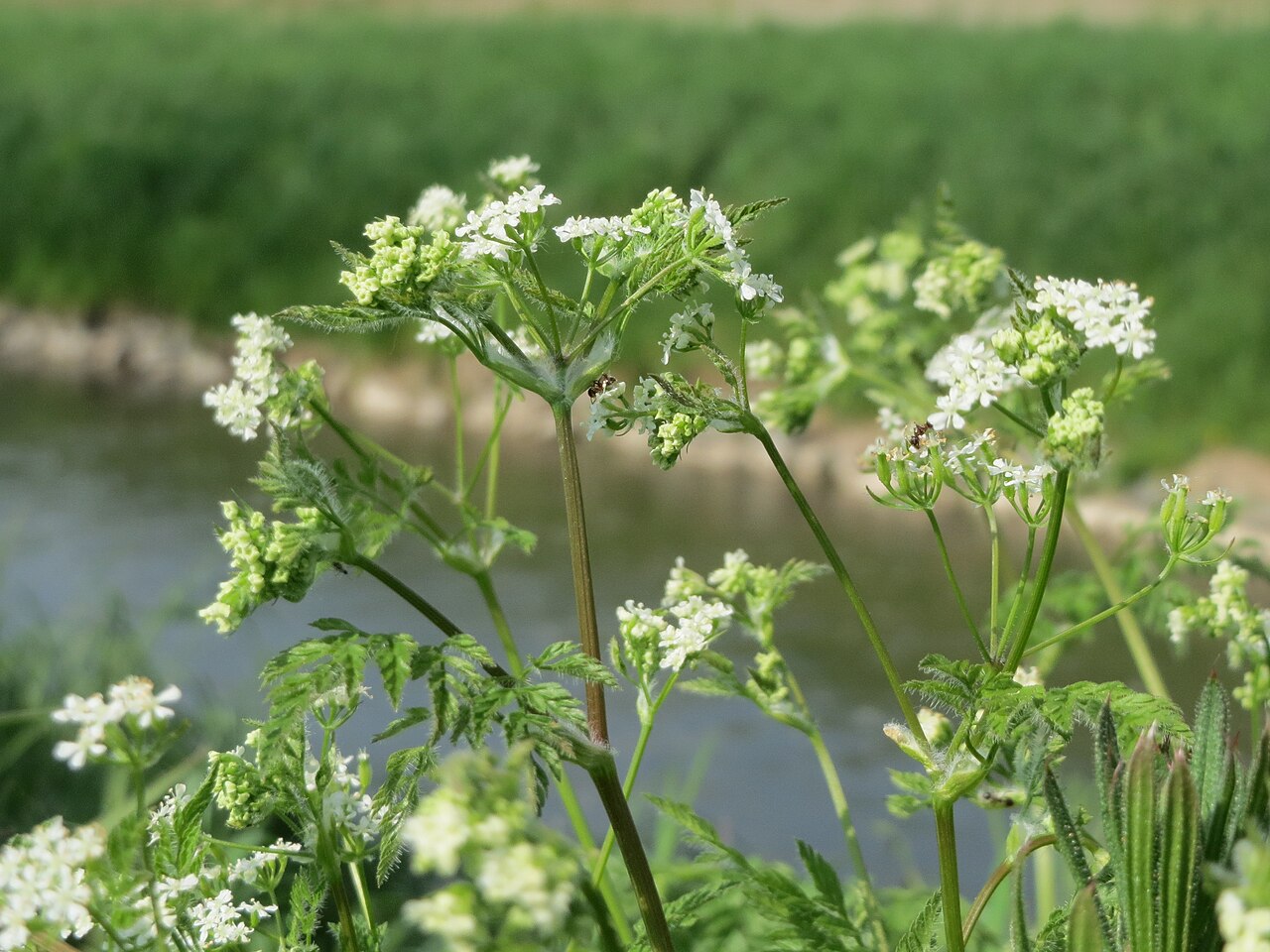
Photo of Chervil
ⓒ

Photo: AnRo0002 · CC0 · Original file (Wikimedia Commons)

Chervil

처빌

It looks like parsley but is much finer and lacy. It has a gentle hint of licorice and is called "gourmet's parsley." It's a basic herb in French cooking.

Photo of Garden sorrel
ⓒ

Photo: AnRo0002 · CC0 · Original file (Wikimedia Commons)

Garden sorrel

소렐

It looks like spinach, but one bite is surprisingly sour, like lemon. In France, a cream sauce made with these leaves served with salmon is a classic dish.

Photo of Hoja santa
ⓒ

Photo: Forest & Kim Starr · CC BY 3.0 · Original file (Wikimedia Commons)

Hoja santa

호하 산타

Its big heart-shaped leaves smell of root beer (an American soft drink), so it's called the "root beer plant." In Mexico, fish or cheese is wrapped in these large leaves and steamed.

Photo of Sea beans
ⓒ

Photo: Marco Schmidt [1] · CC BY-SA 2.5 · Original file (Wikimedia Commons)

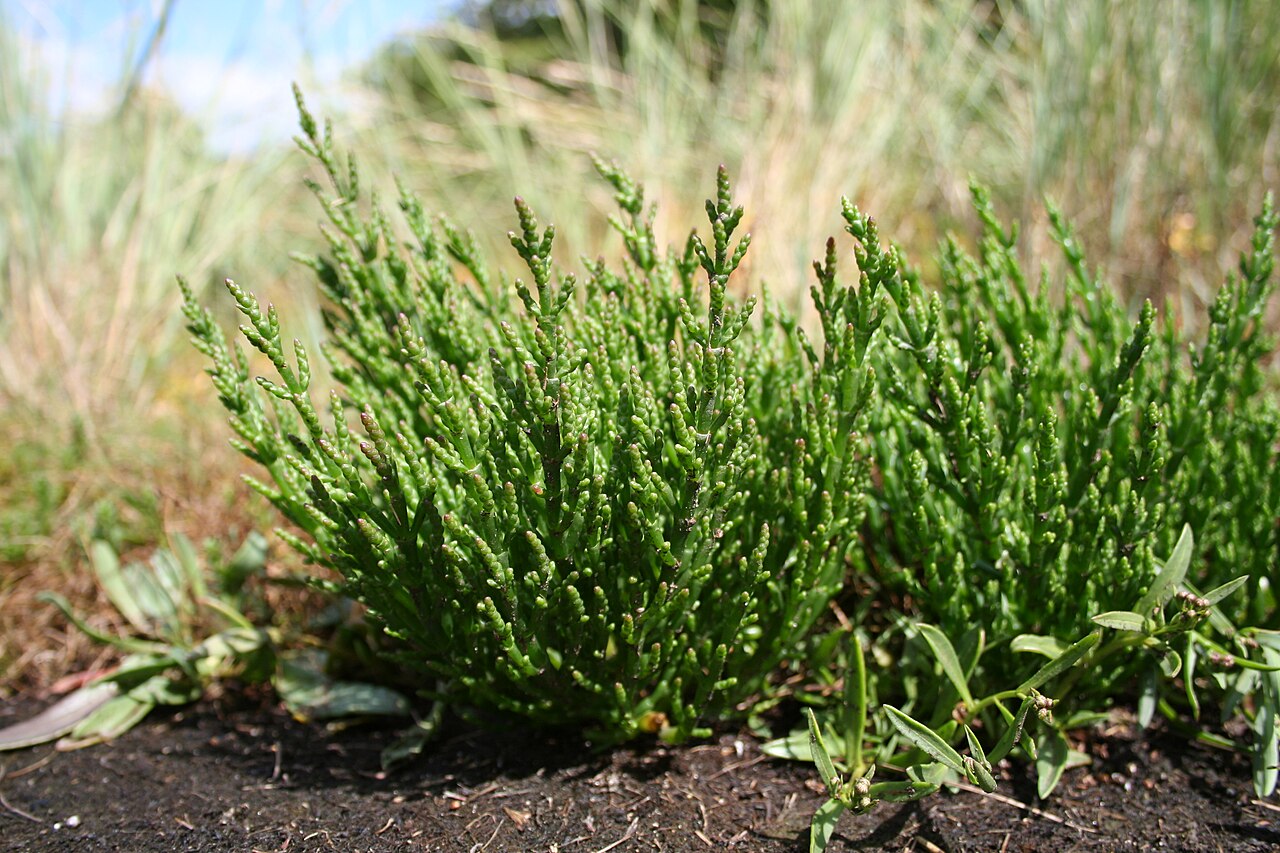
Sea beans

바다 아스파라거스

Plump green stems that grow on coastal mudflats. They're crunchy and salty like seawater. It's the same group as the plant known in Korea as hamcho, and Western chefs call it "sea asparagus" and cook with it.

Photo of Ice plant
ⓒ

Photo: Yummifruitbat · CC BY-SA 4.0 · Original file (Wikimedia Commons)

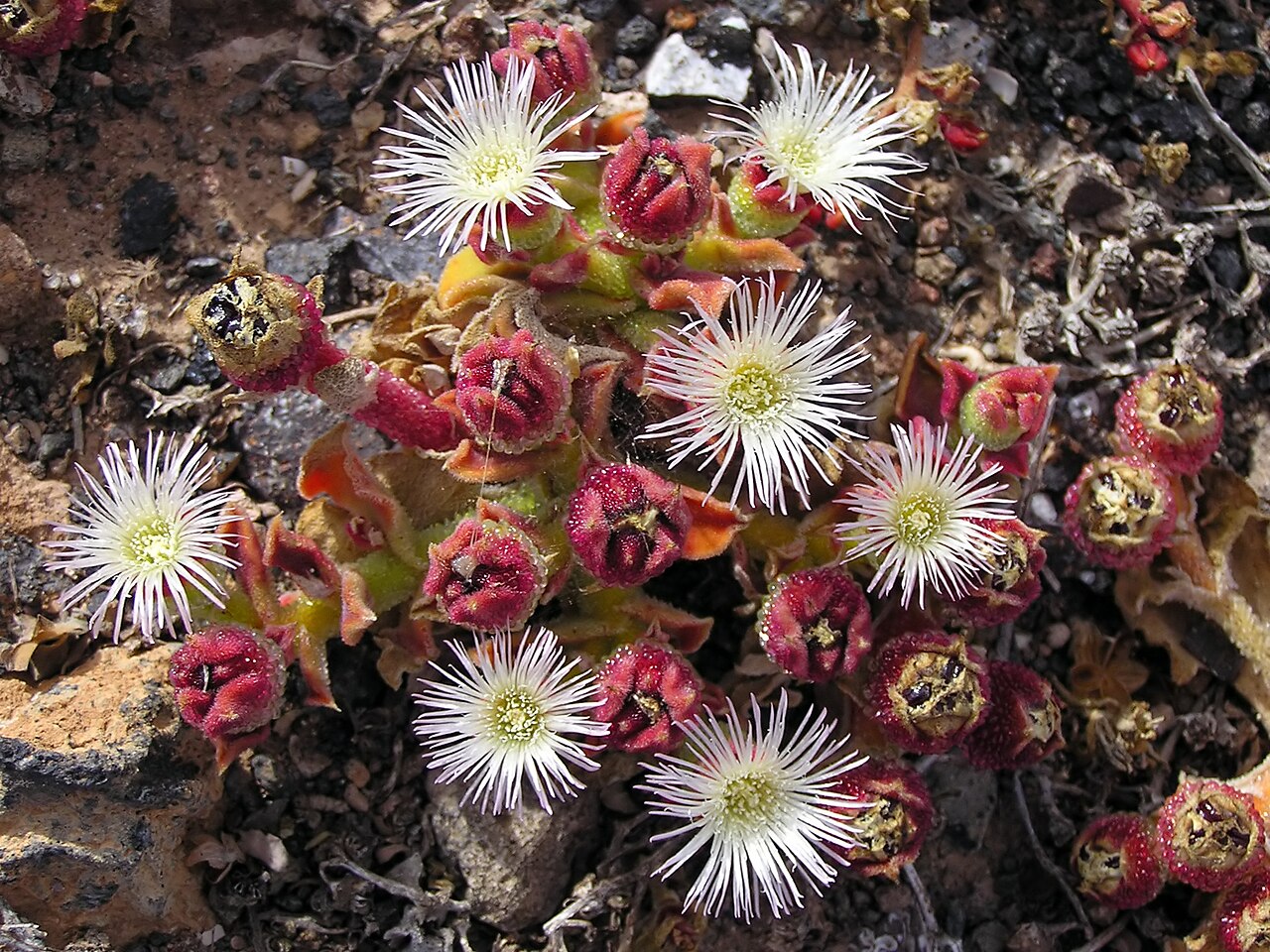
Ice plant

아이스 플랜트

Its leaves and stems are covered in sparkling, clear droplets like grains of ice. Bite into it and the juice pops out, salty as if sprinkled with salt.

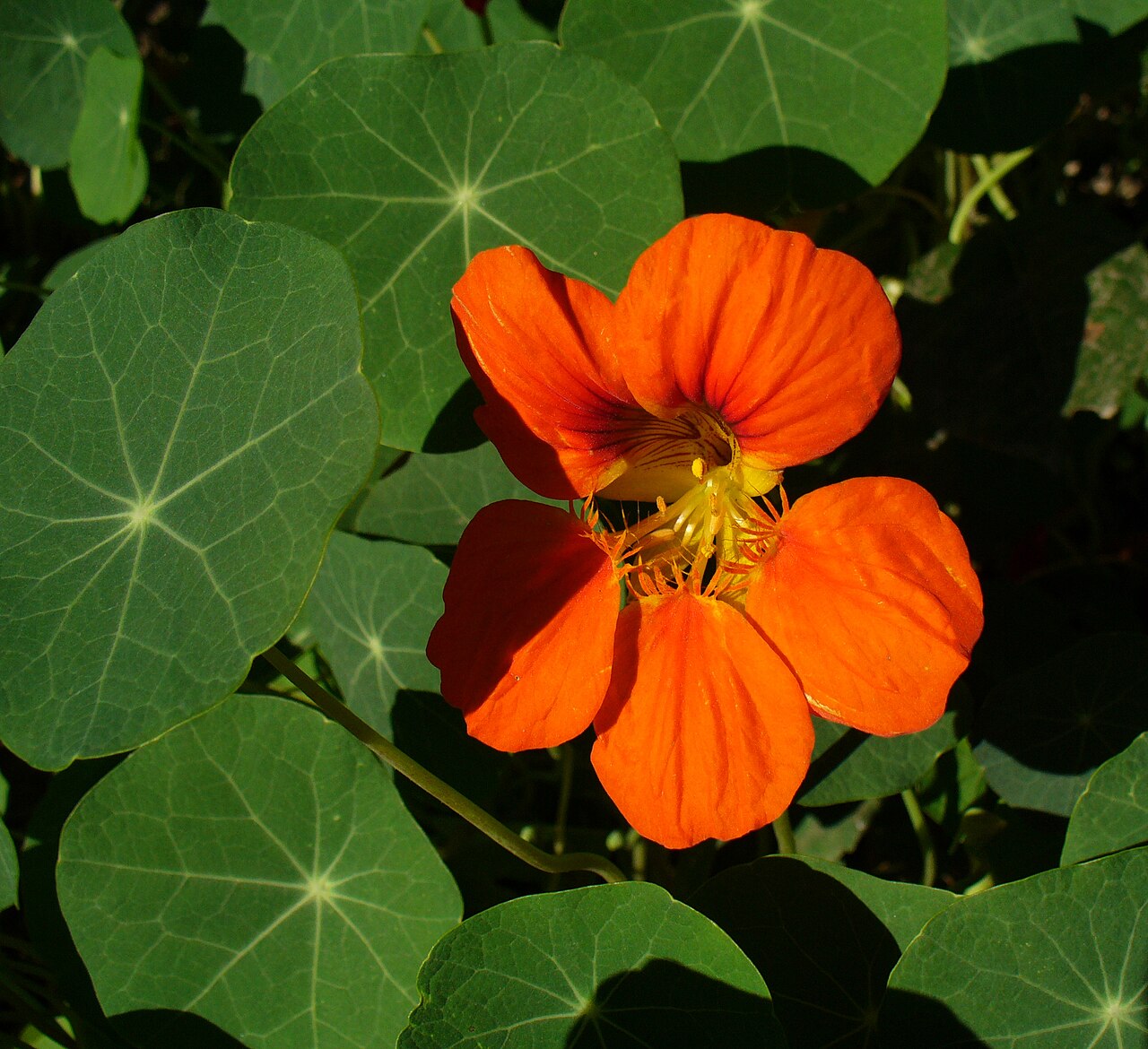
Photo of Nasturtium
ⓒ

Photo: George Chernilevsky · Public domain · Original file (Wikimedia Commons)

Nasturtium

한련

You can eat the round, lotus-like leaves and the orange flowers whole. One bite and a mustard-like heat rises right up your nose. Pickle the unripe seeds in vinegar and they become "poor man's capers."

Photo of Papalo
ⓒ

Photo: User:JoeCarrasco · CC BY-SA 3.0 · Original file (Wikimedia Commons)

Papalo

파팔로

If you like cilantro, this herb will surprise you. It's like cilantro mixed with arugula's bitterness and a citrus note, and far more intense than cilantro. It's a must in cemita, a sandwich from Puebla, Mexico.

Photo of Culantro
ⓒ

Photo: Filo gèn' · CC BY-SA 4.0 · Original file (Wikimedia Commons)

Culantro

쿨란트로

Its name and taste are similar to cilantro, but the aroma is several times stronger. The leaf edges are saw-toothed, so it's also called "sawtooth coriander." It's the long leaf served alongside Vietnamese pho.

Photo of Rau ram
ⓒ

Photo: en:user:Peon374 · Public domain · Original file (Wikimedia Commons)

Rau ram

베트남 고수

Its Korean name means "Vietnamese coriander," but it's a completely different plant from coriander. It has a cilantro-like aroma plus a slightly numbing heat. Some people who dislike cilantro say this one is easier to eat.

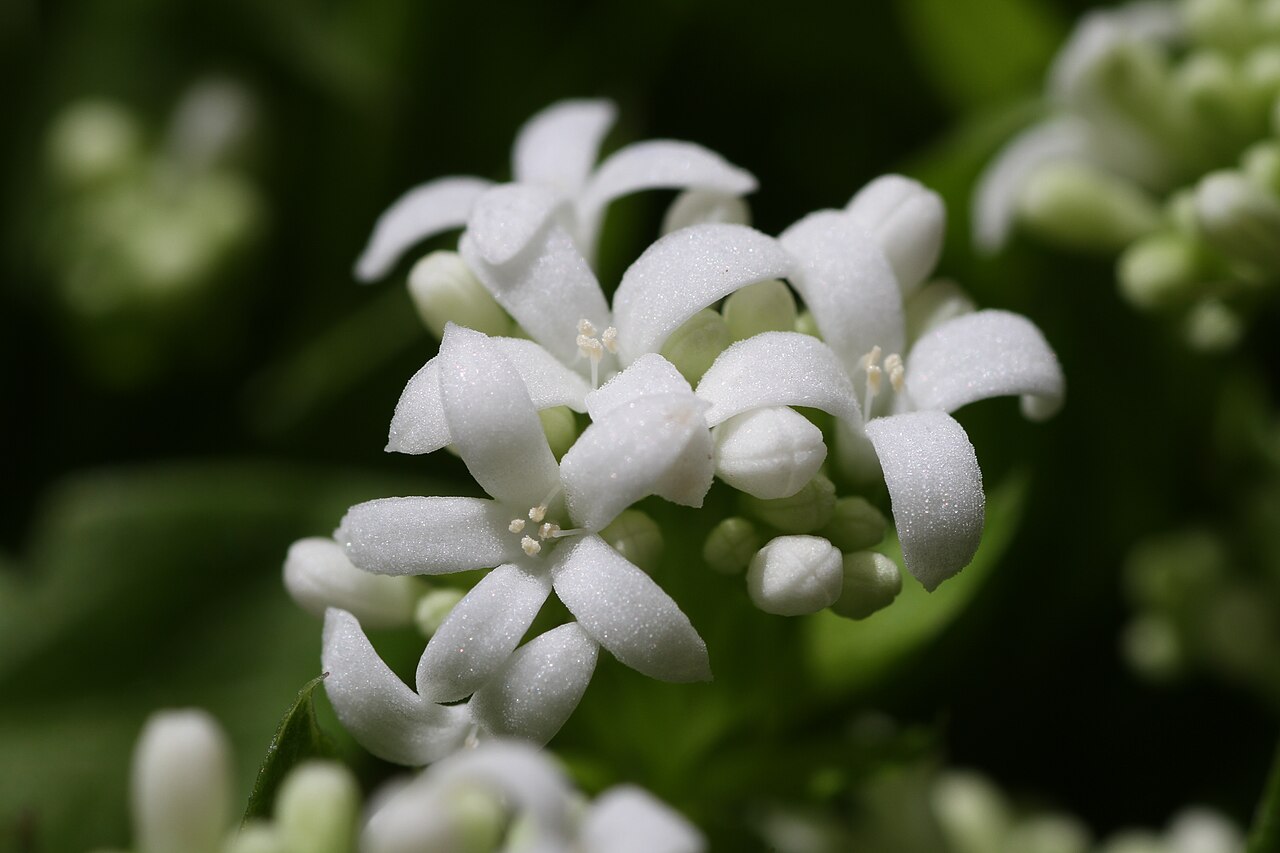
Photo of Sweet woodruff
ⓒ

Photo: Björn Traeger · CC BY-SA 3.0 · Original file (Wikimedia Commons)

Sweet woodruff

스위트 우드러프

Freshly picked leaves have almost no smell. But leave them to wilt for a few hours and a sweet scent of vanilla and freshly cut hay appears. In Germany, people drink wine flavored with this herb on May 1.

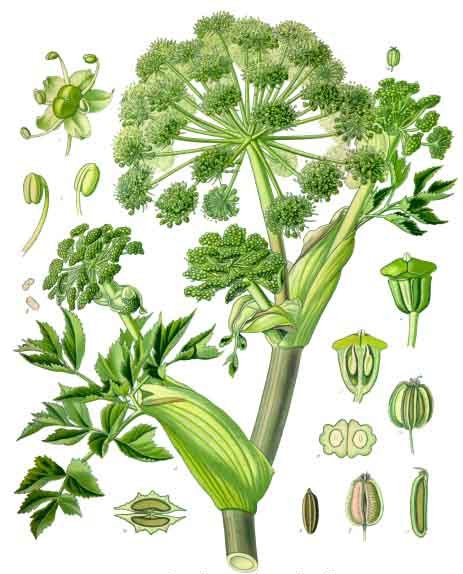
Photo of Angelica
ⓒ

Photo: Franz Eugen Köhler, Köhler's Medizinal-Pflanzen · Public domain · Original file (Wikimedia Commons)

Angelica

안젤리카

One of the secret ingredients behind gin's distinctive aroma. Its hollow green stems, candied in sugar, become emerald-colored sweets that once decorated European cakes. It belongs to the same group as the Korean medicinal herb danggwi.

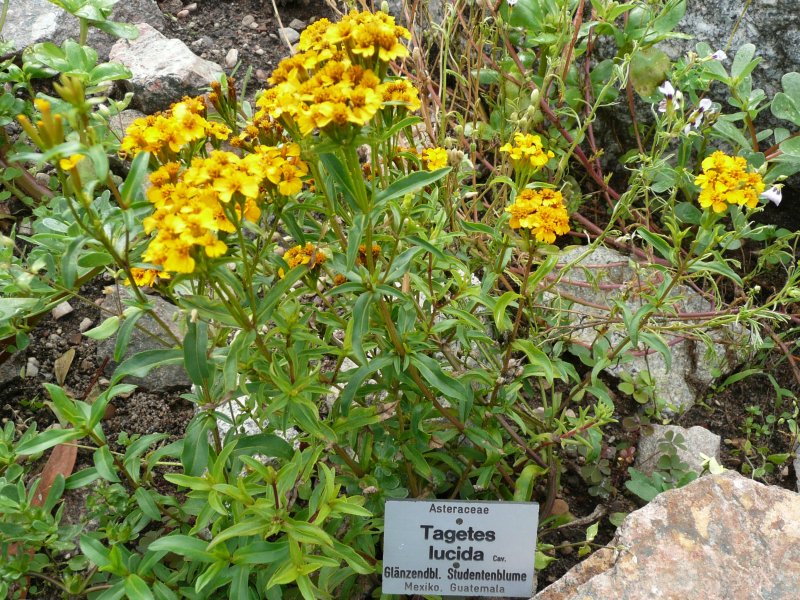
Photo of Mexican tarragon
ⓒ

Photo: manfred.sause@volloeko.de · CC BY-SA 3.0 · Original file (Wikimedia Commons)

Mexican tarragon

멕시칸 타라곤

It has flowers like yellow marigolds, and its leaves have a sweet licorice aroma. It's grown as a substitute for French tarragon, which doesn't grow well in hot places. The Aztecs used its leaves to flavor cocoa drinks.

Photo of Lemon myrtle
ⓒ

Photo: HelloMojo · CC BY-SA 3.0 · Original file (Wikimedia Commons)

Lemon myrtle

레몬 머틀

Leaves from a tree that grows in Australian rainforests. Rub one and a strong lemon scent bursts out. It's known as the plant with the most lemon-scent compound (citral) in nature. Aboriginal Australians have eaten it for a very long time.

Photo of Shiso
ⓒ

Photo: Dalgial · CC BY-SA 3.0 · Original file (Wikimedia Commons)

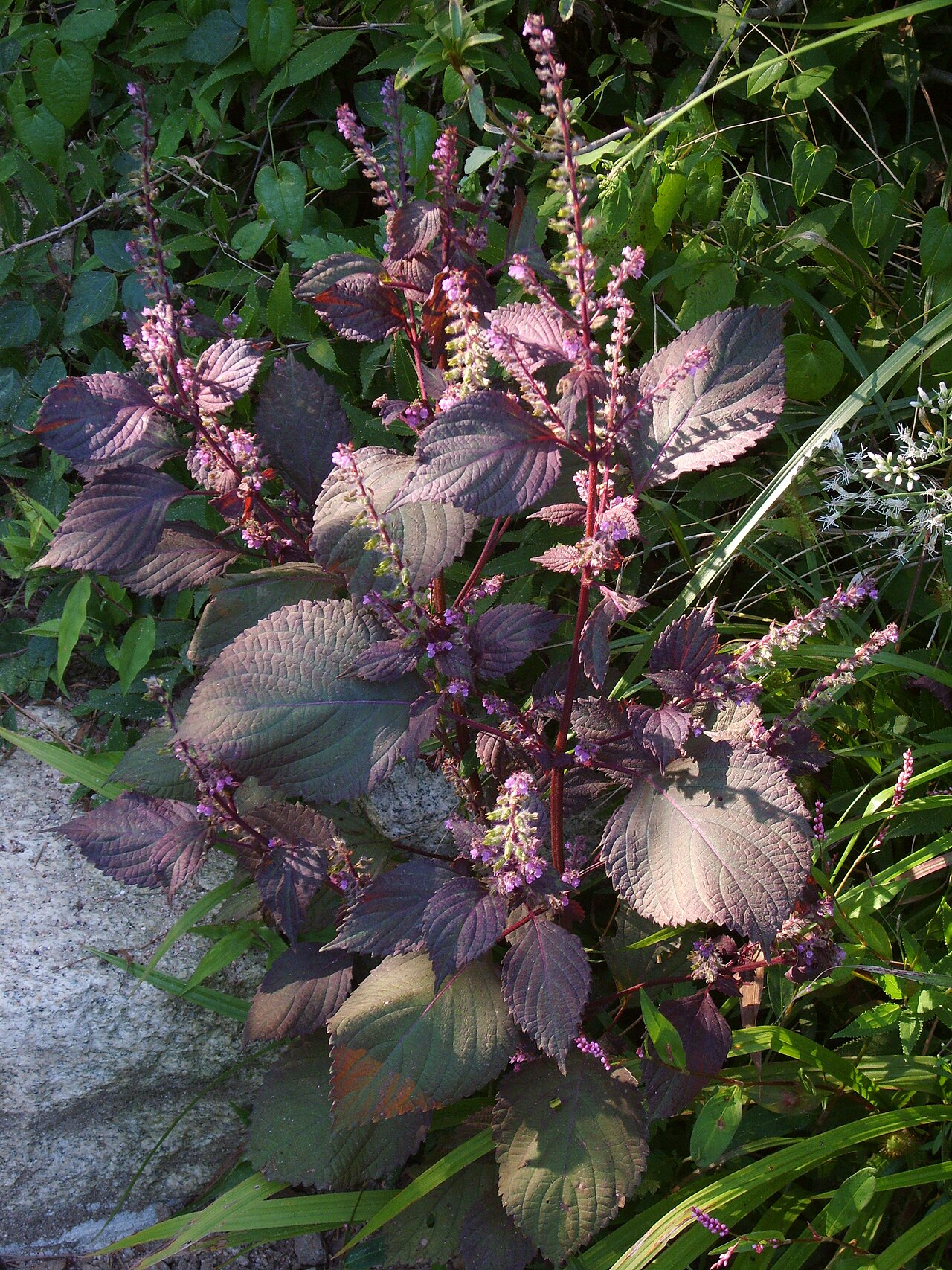
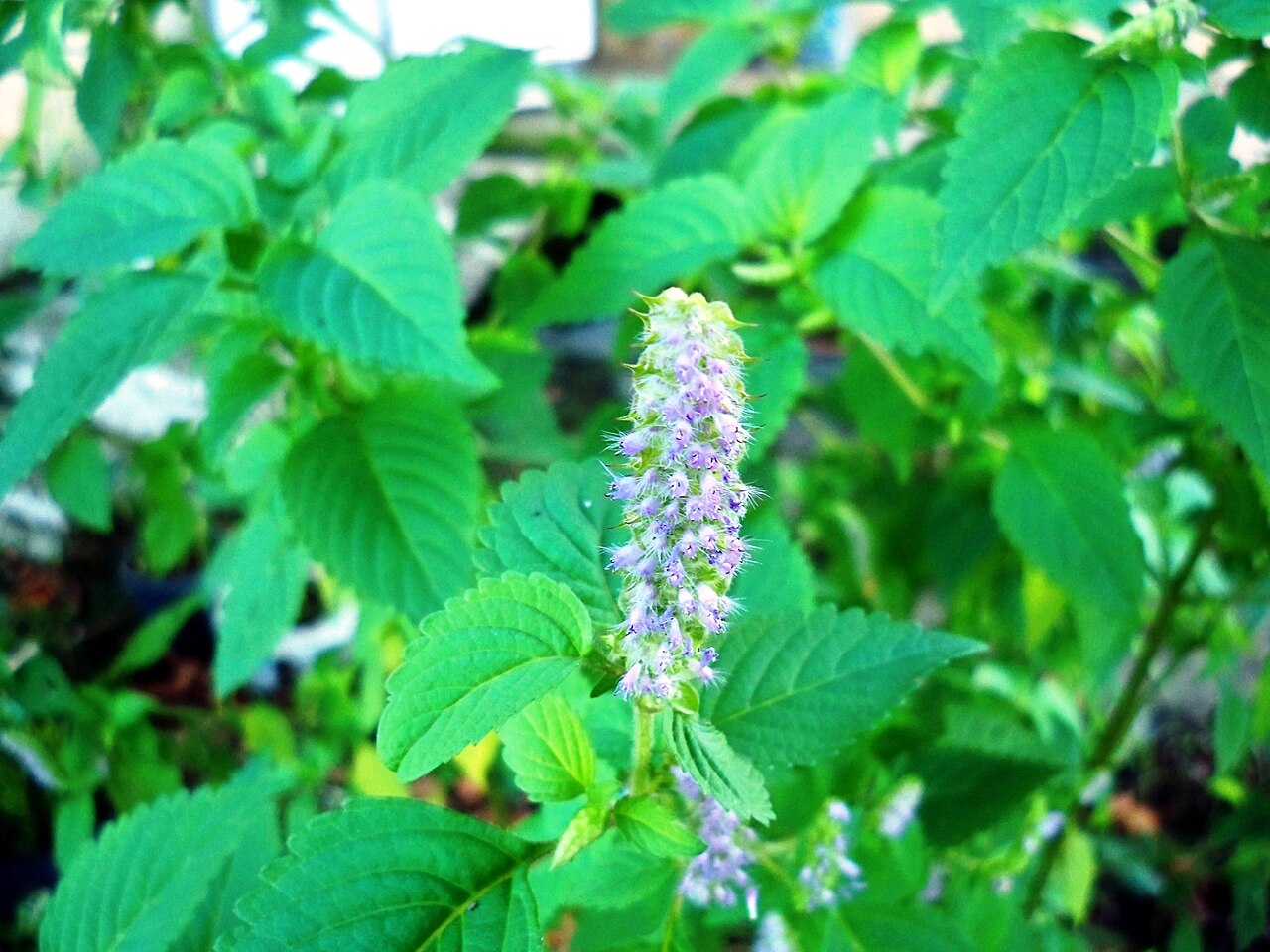
Shiso

시소

The plastic green leaf in sushi lunch boxes is actually imitating this shiso leaf. It's the same species as Korean perilla (kkaennip), just a different variety. It has a refreshing aroma like a mix of mint, lemon and basil.

Photo of Sansho leaf
ⓒ

Photo: Didier Descouens · CC BY-SA 4.0 · Original file (Wikimedia Commons)

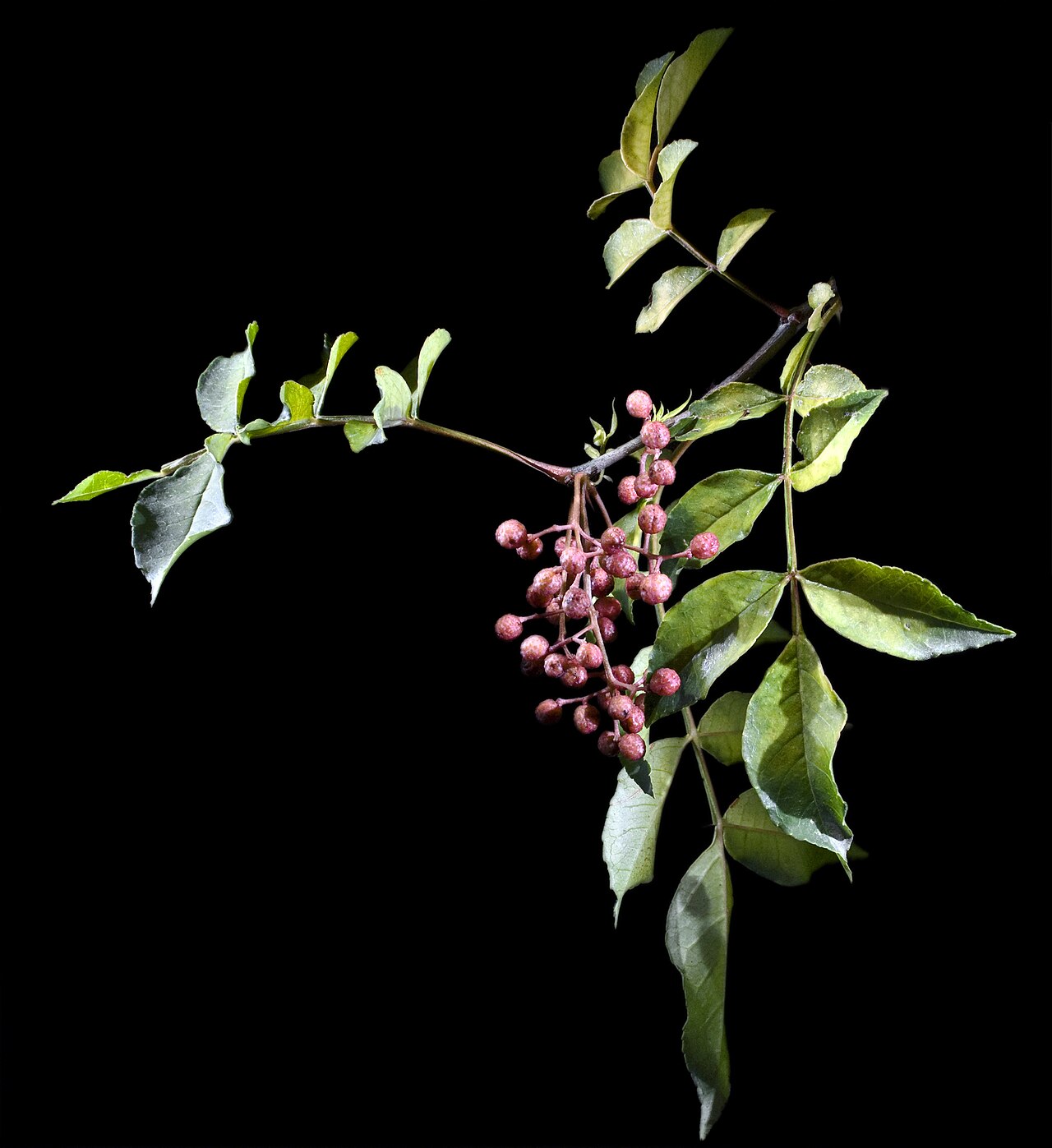
Sansho leaf

초피잎

Young leaves from the same tree as chopi, the spice added to Korean loach soup. Chew a leaf and you get a fresh, yuzu-like aroma with a slight tingle on the tongue. In Japan, these leaves herald spring.

Photo of Fish mint
ⓒ

Photo: Agnieszka Kwiecień, Nova · CC BY-SA 4.0 · Original file (Wikimedia Commons)

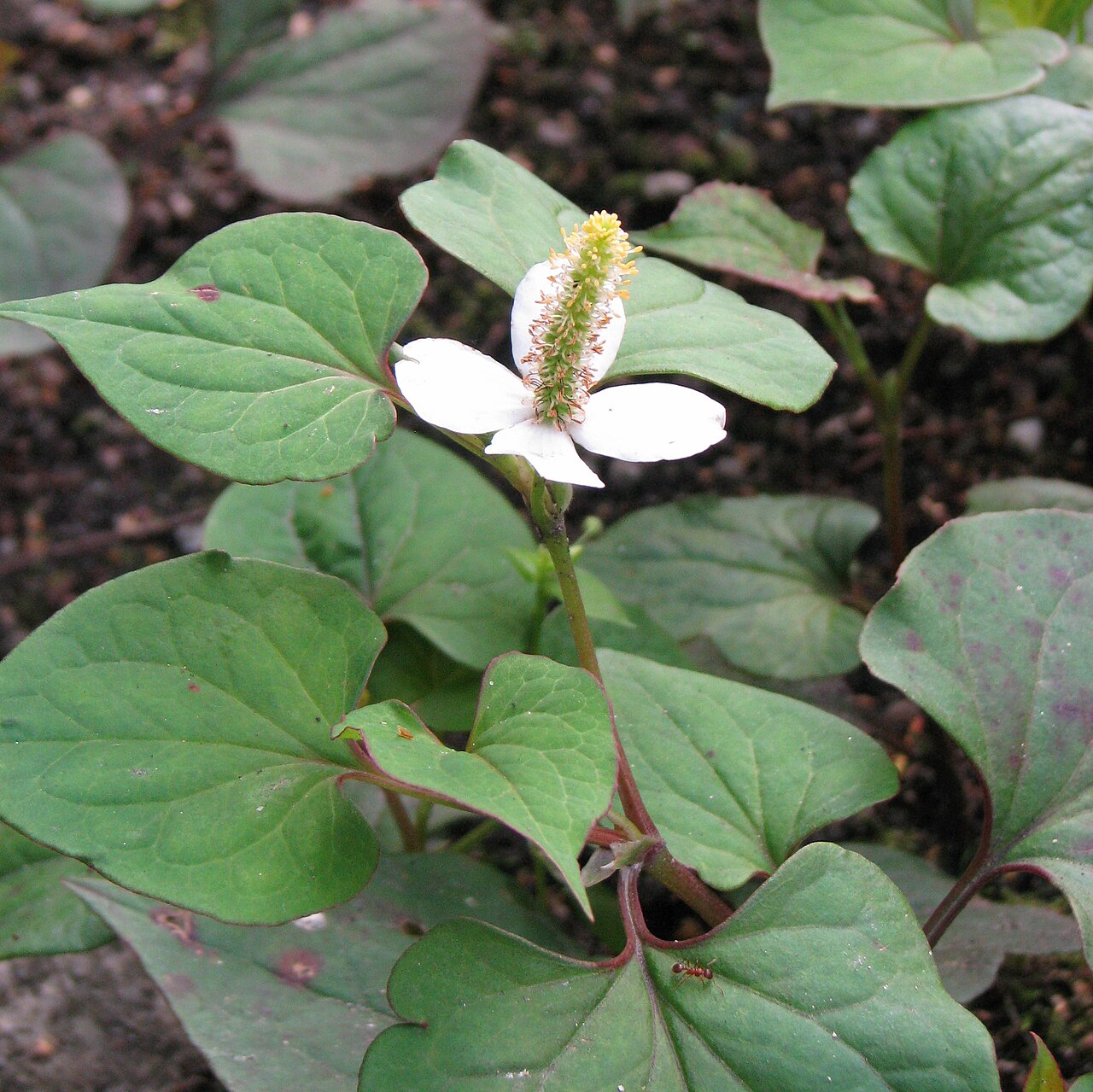
Fish mint

어성초

Its Korean name, eoseongcho, literally means "fish-smelling herb." Rub the leaves and they really do smell fishy. In Korea it's mostly drunk as tea, but in Vietnam it's an herb eaten generously with wraps and noodles.

Photo of Pandan
ⓒ

Photo: Zuhairali · CC BY-SA 3.0 · Original file (Wikimedia Commons)

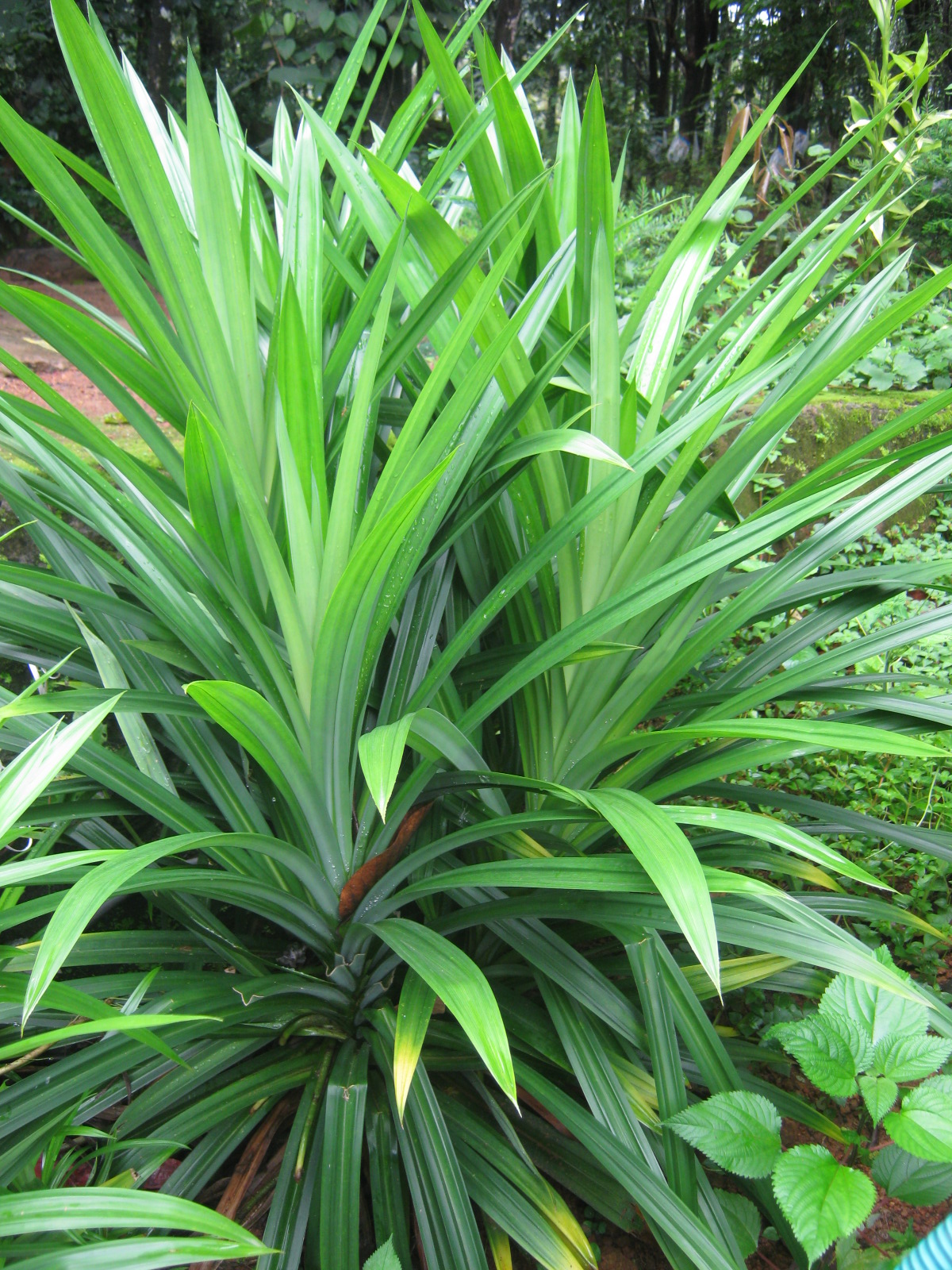
Pandan

판단

A long leaf called "the vanilla of Southeast Asia." It contains the compound behind the smell of freshly cooked jasmine rice and freshly baked white bread. Many Southeast Asian desserts are green because of this leaf.

Photo of Fig leaf
ⓒ

Photo: Silverije · CC BY-SA 4.0 · Original file (Wikimedia Commons)

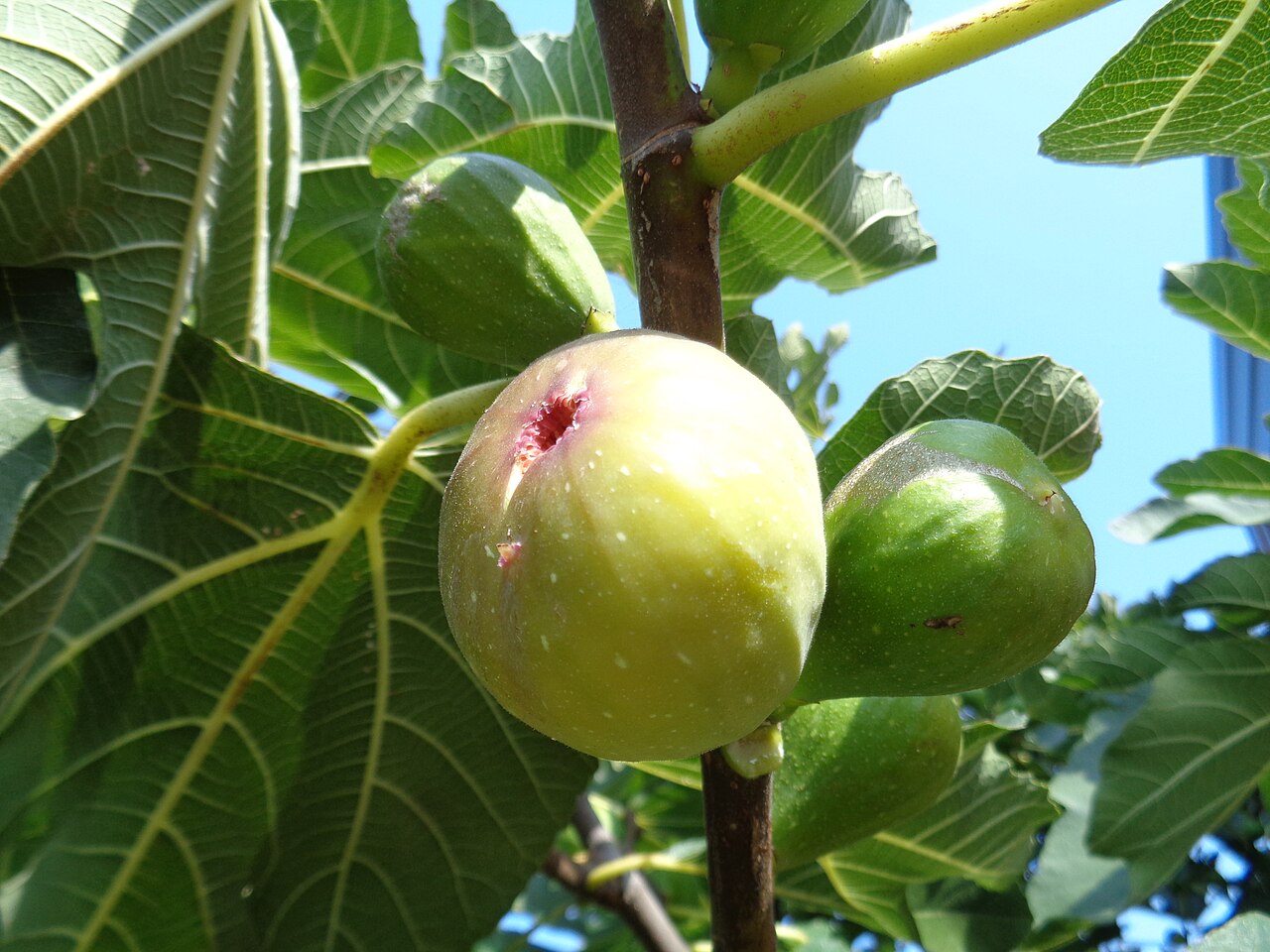
Fig leaf

무화과잎

Not the fig fruit, but the leaf. Walk past a fig tree in summer and you'll smell something sweet like coconut and vanilla. Ice cream made by steeping these leaves in cream is popular among chefs.

Photo of Makrut lime leaf
ⓒ

Photo: Robyn Jay from Sydney, Australia · CC BY-SA 2.0 · Original file (Wikimedia Commons)

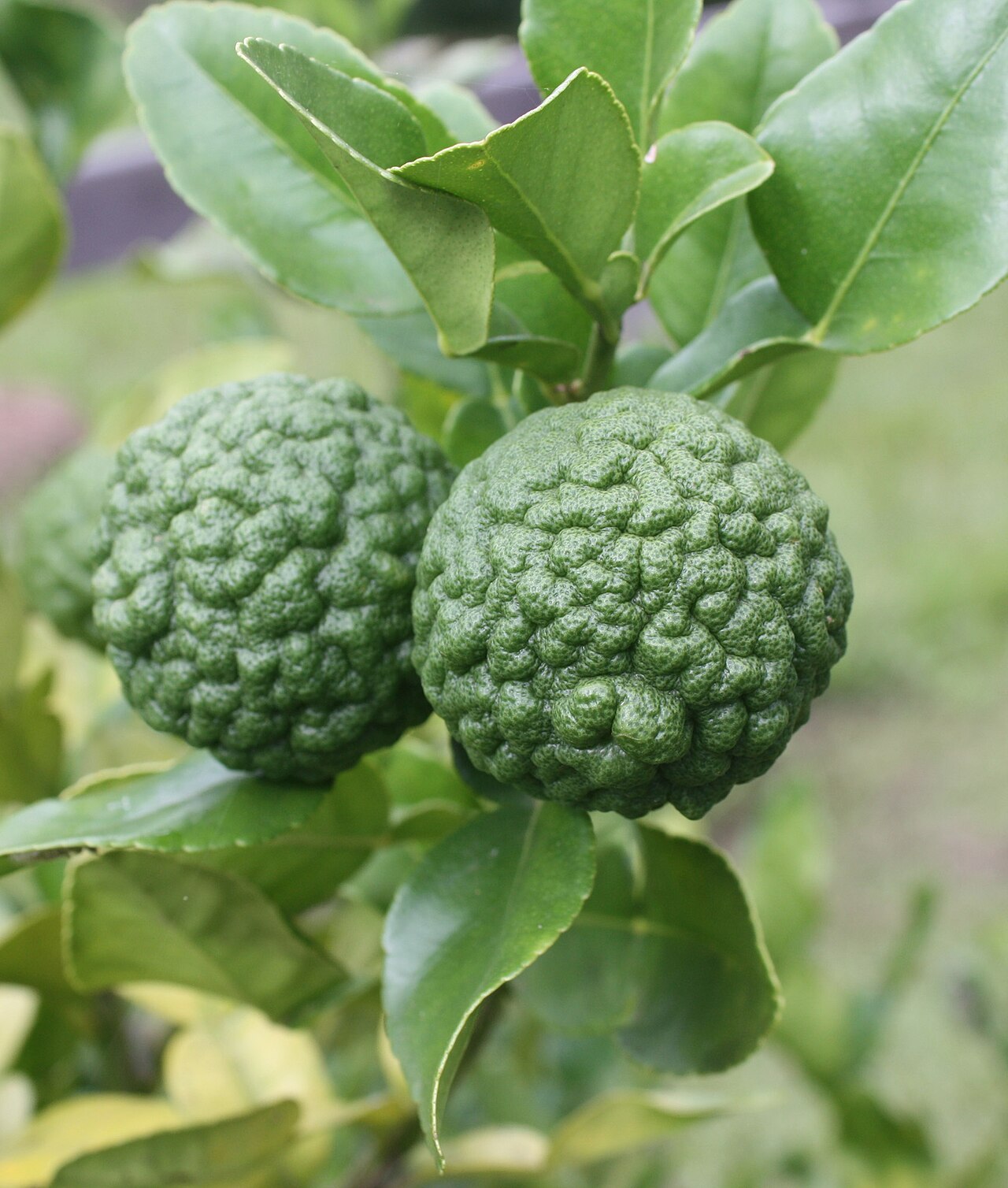
Makrut lime leaf

마크루트 라임잎

A curious leaf made of two leaves joined end to end like an hourglass. Tear it and a strong aroma spreads, like freshly grated lime zest. That fresh aroma in Thai tom yum soup comes from this leaf.

Photo of Curry leaf
ⓒ

Photo: SarKaLay စာကလေး · CC BY-SA 4.0 · Original file (Wikimedia Commons)

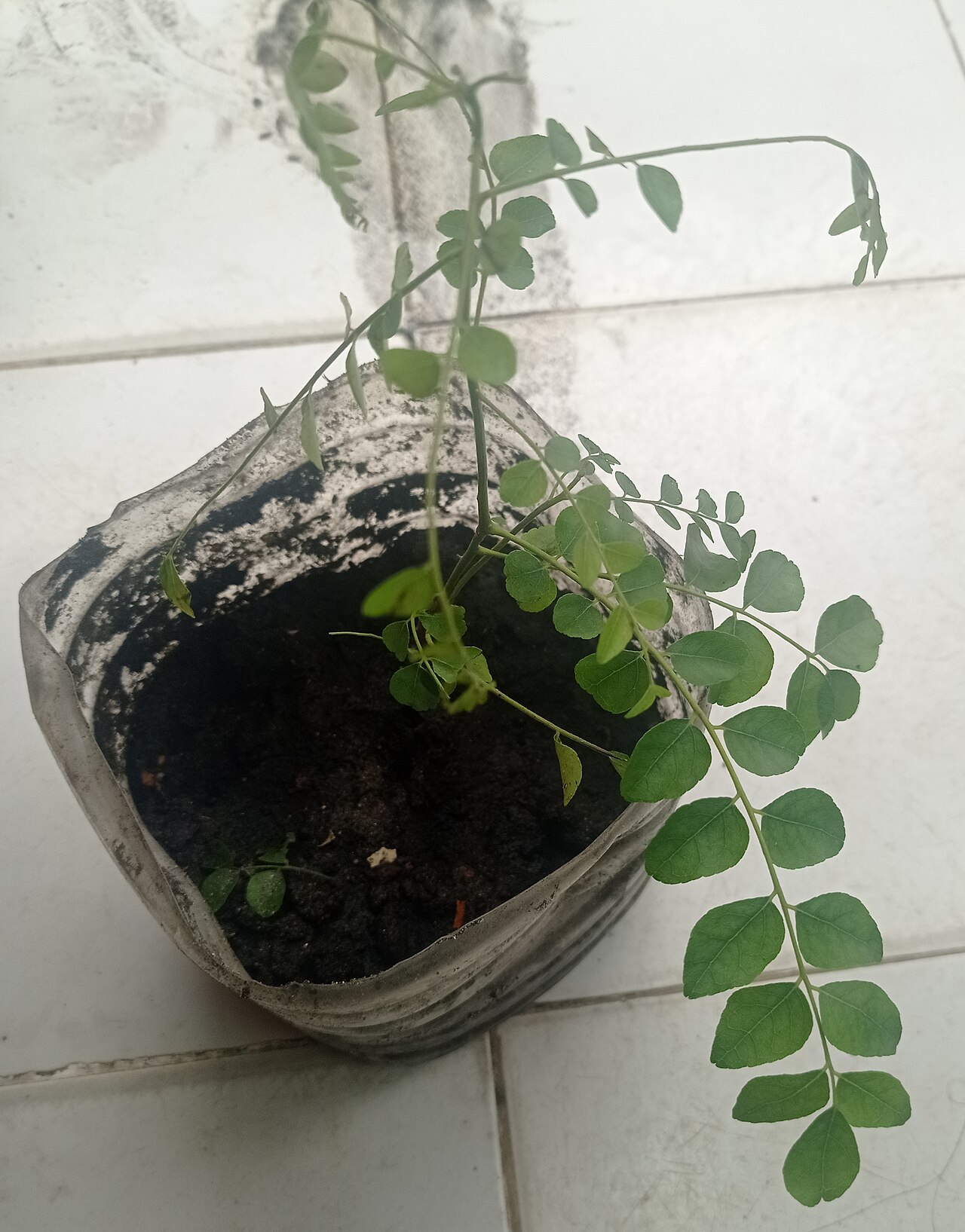
Curry leaf

커리잎

Despite the name, these are leaves from a tree that has nothing to do with curry powder. Raw, they smell grassy, but the moment they hit hot oil, a nutty, fresh aroma bursts out. Most of the aroma of South Indian cooking comes from these leaves.

Photo of Epazote
ⓒ

Photo: Francisco Manuel Blanco (O.S.A.) · Public domain · Original file (Wikimedia Commons)

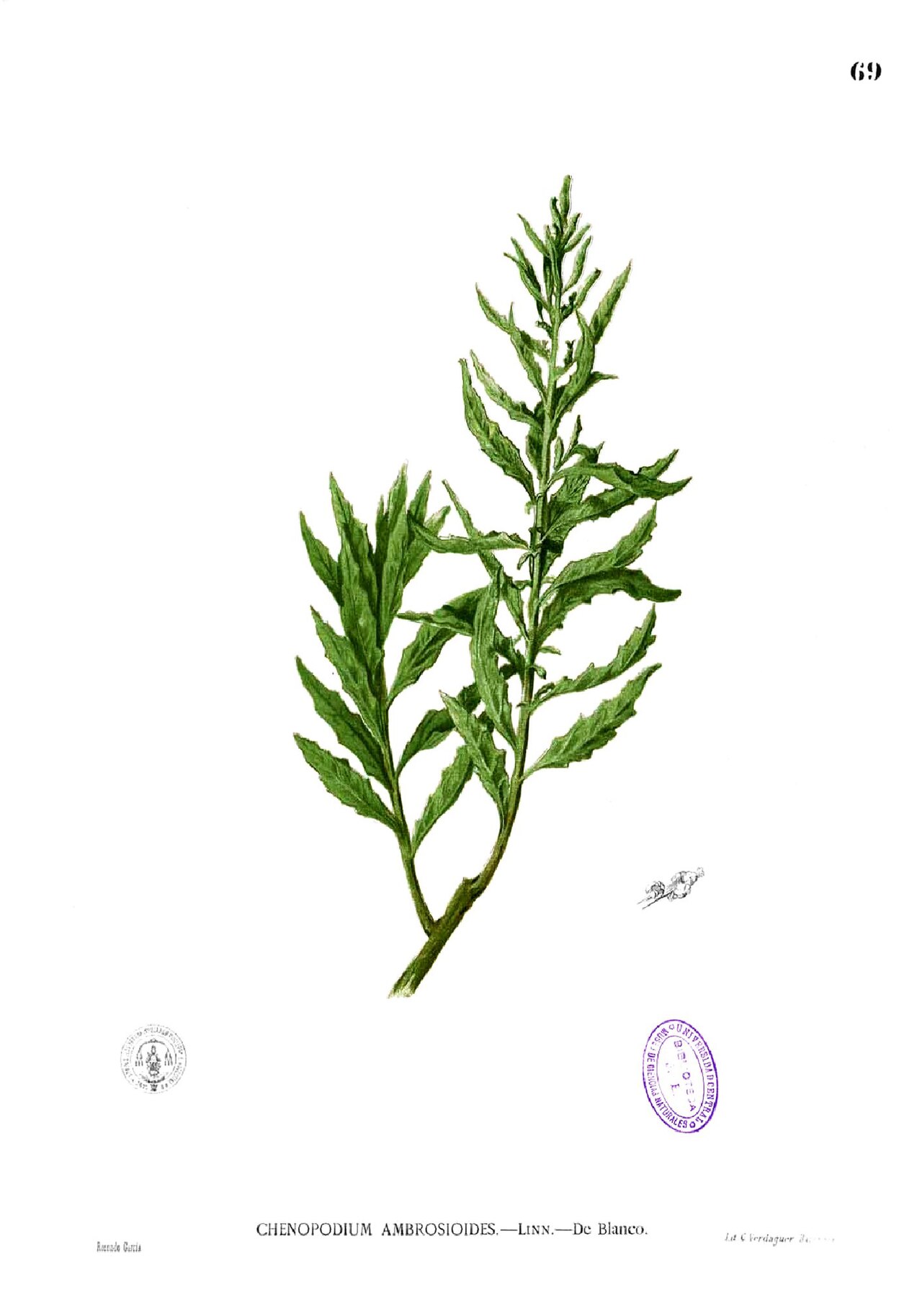
Epazote

에파조테

The aroma is so strong and unusual that the first time you smell it you may wonder, "People eat this?" In Mexico it's always added when cooking black beans. The name comes from the ancient Aztec language.

Photo of Rice paddy herb
ⓒ

Photo: Emilia Murray · CC BY-SA 2.0 · Original file (Wikimedia Commons)

Rice paddy herb

논 허브

As the name suggests, it's a water plant that grows in rice paddies. Rub the leaves and you smell lemon and cumin (a curry spice) at the same time. It always tops the sour fish soup of southern Vietnam.

Photo of Agretti
ⓒ

Photo: Luigi Rignanese · CC BY-SA 3.0 · Original file (Wikimedia Commons)

Agretti

아그레티

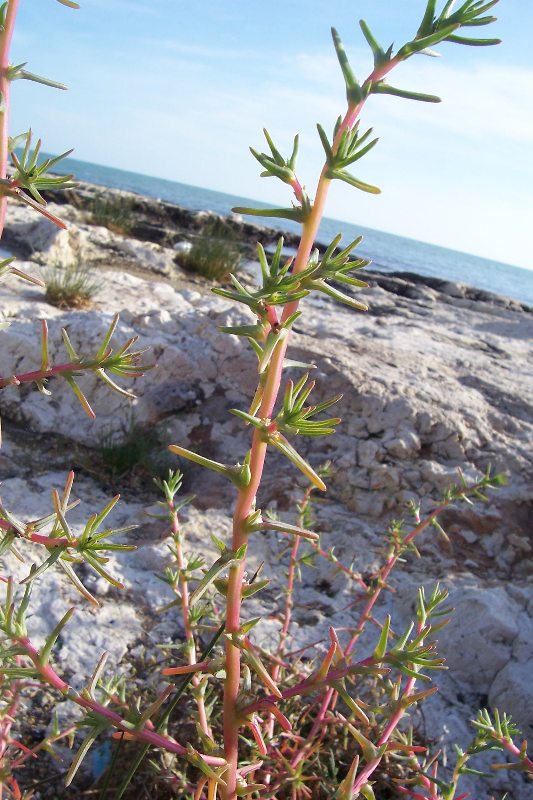
Thin, long green stems hang like a beard, so in Italy it's called "monk's beard." It's crunchy with a slightly sour, salty taste. It's a prized vegetable that appears only briefly in spring.

Photo of Purslane
ⓒ

Photo: ZooFari · CC BY-SA 3.0 · Original file (Wikimedia Commons)

Purslane

쇠비름

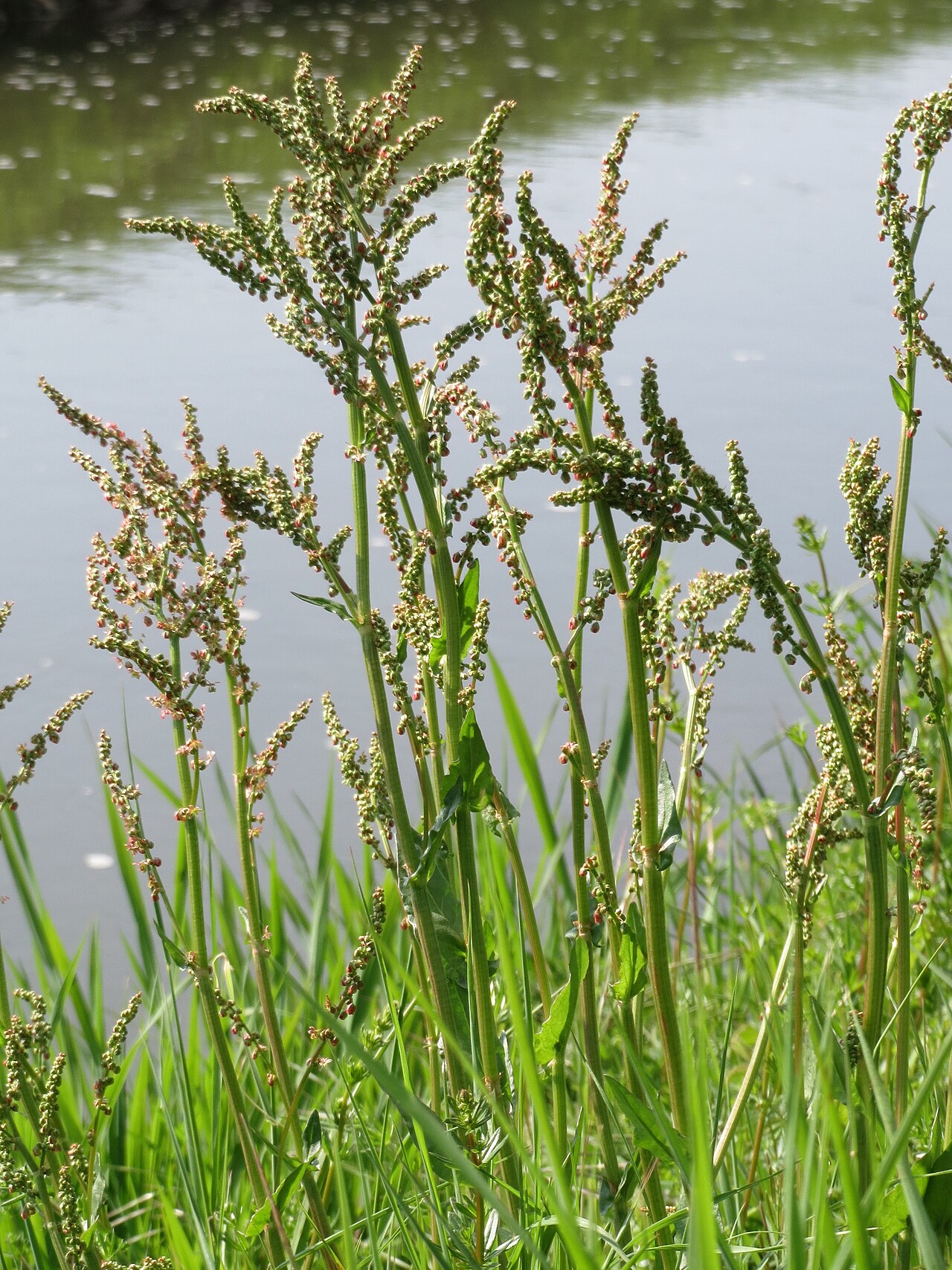
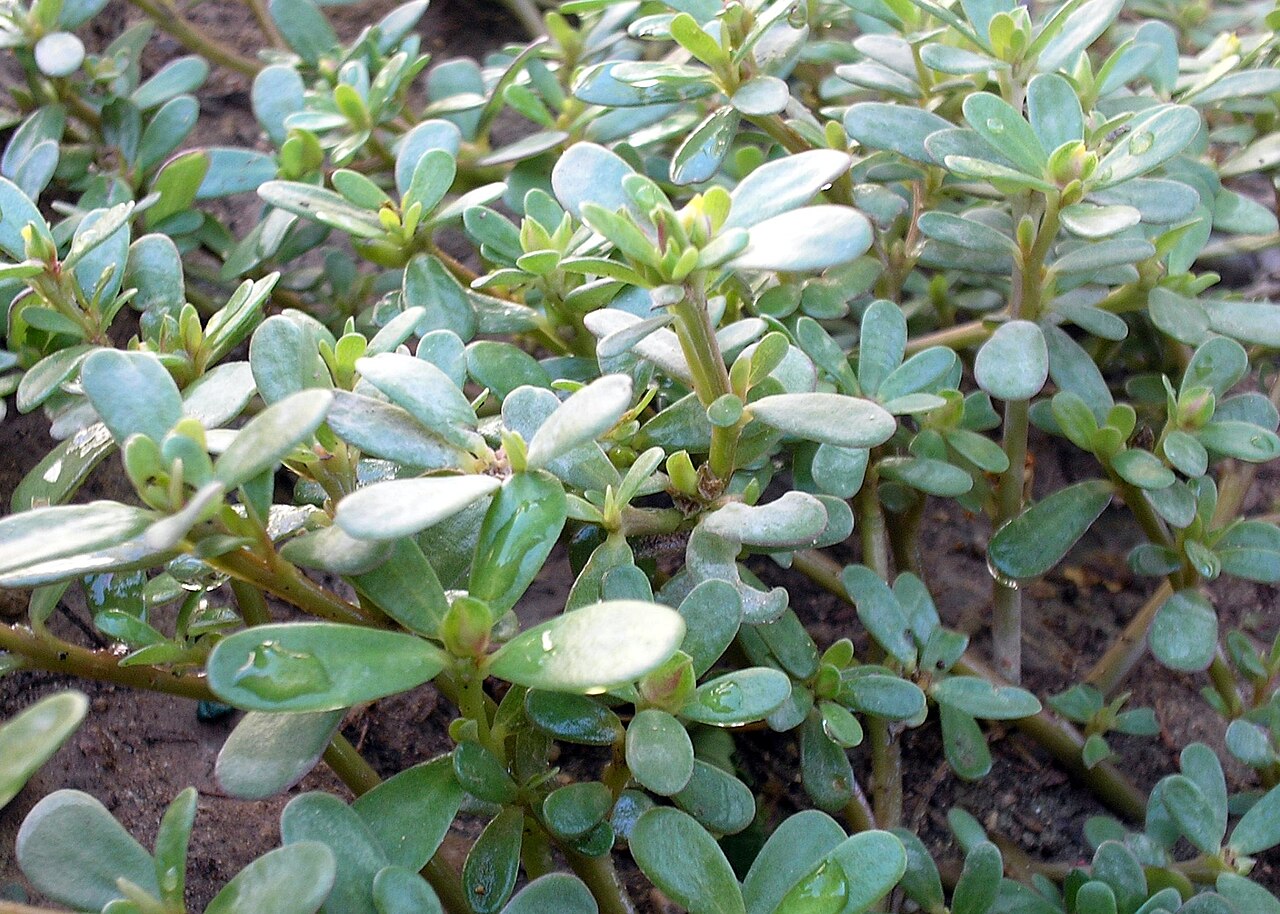
Purslane, pulled out as a weed from Korean fields and roadsides, is actually a salad ingredient in the West. Its plump leaves are crunchy like cucumber, sour like lemon and slightly salty.

Photo of Rock samphire
ⓒ

Photo: User:Jymm · Public domain · Original file (Wikimedia Commons)

Rock samphire

록 샘파이어

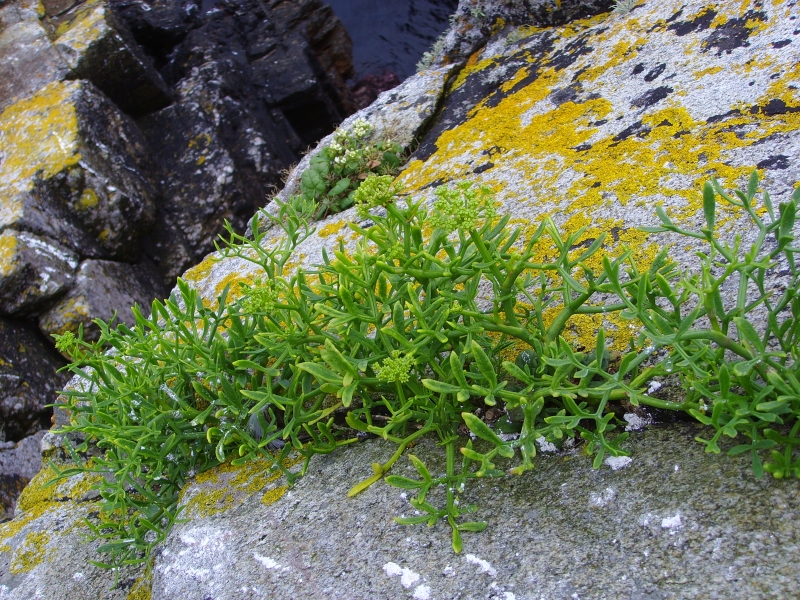
An herb that grows on seaside cliffs, and it even appears in Shakespeare's King Lear. Picking it while hanging from cliffs was once a dangerous job. It's salty, with lemon and fennel aromas.

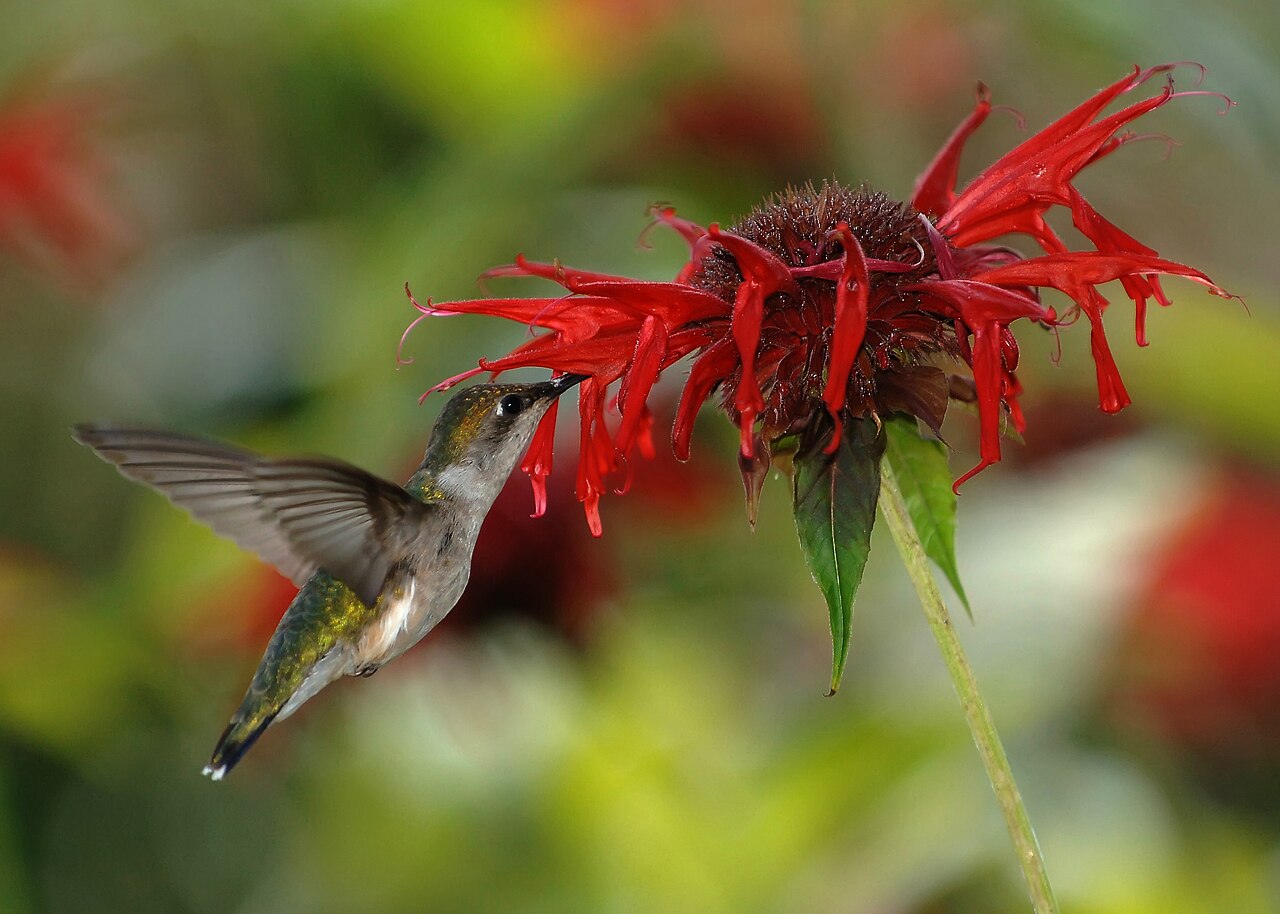
Photo of Bee balm
ⓒ

Photo: Joe Schneid, Louisville, Kentucky · CC BY 3.0 · Original file (Wikimedia Commons)

Bee balm

모나르다

An herb with bright red flowers shaped like fireworks. Around the American Revolution, people who refused British tea are said to have brewed tea from its leaves. The red-flowered type smells similar to Earl Grey tea.

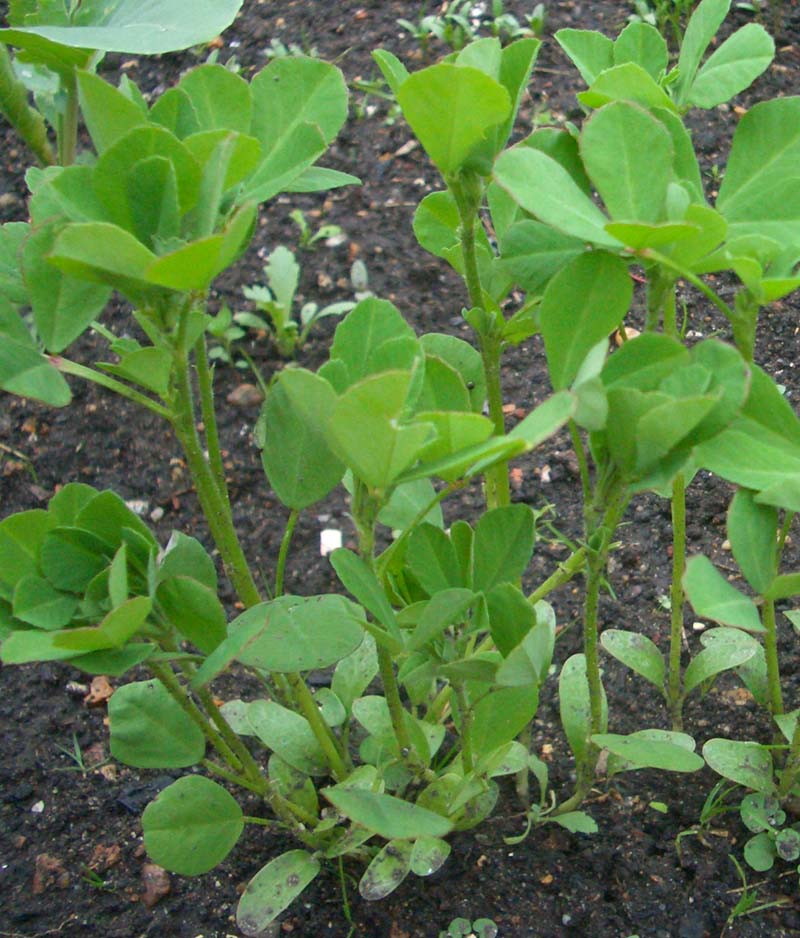
Photo of Fenugreek leaf
ⓒ

Photo: Yak · CC BY-SA 3.0 · Original file (Wikimedia Commons)

Fenugreek leaf

호로파잎

Rub the dried leaves between your palms and you get a sweet aroma like maple syrup. In fact, compounds from this plant are used to make imitation maple syrup flavor. That subtle aroma in Indian butter chicken comes from these leaves.

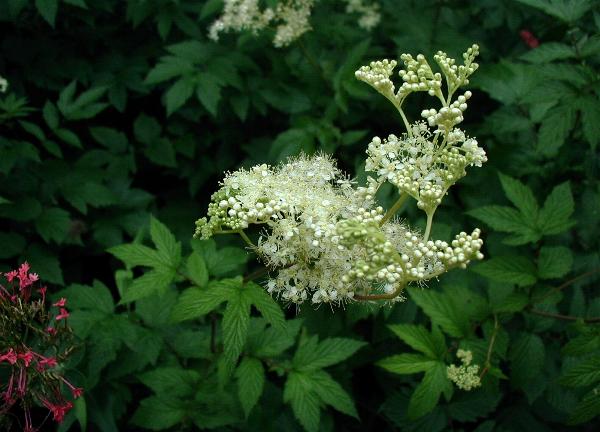
Photo of Meadowsweet
ⓒ

Photo: Sten Porse · CC BY-SA 3.0 · Original file (Wikimedia Commons)

Meadowsweet

메도스위트

Its clusters of cream-colored flowers smell sweet, like a mix of honey, vanilla and almond. In medieval Europe these flowers flavored mead. Rub the leaves and they smell like a pain-relief patch, because of a compound related to aspirin.

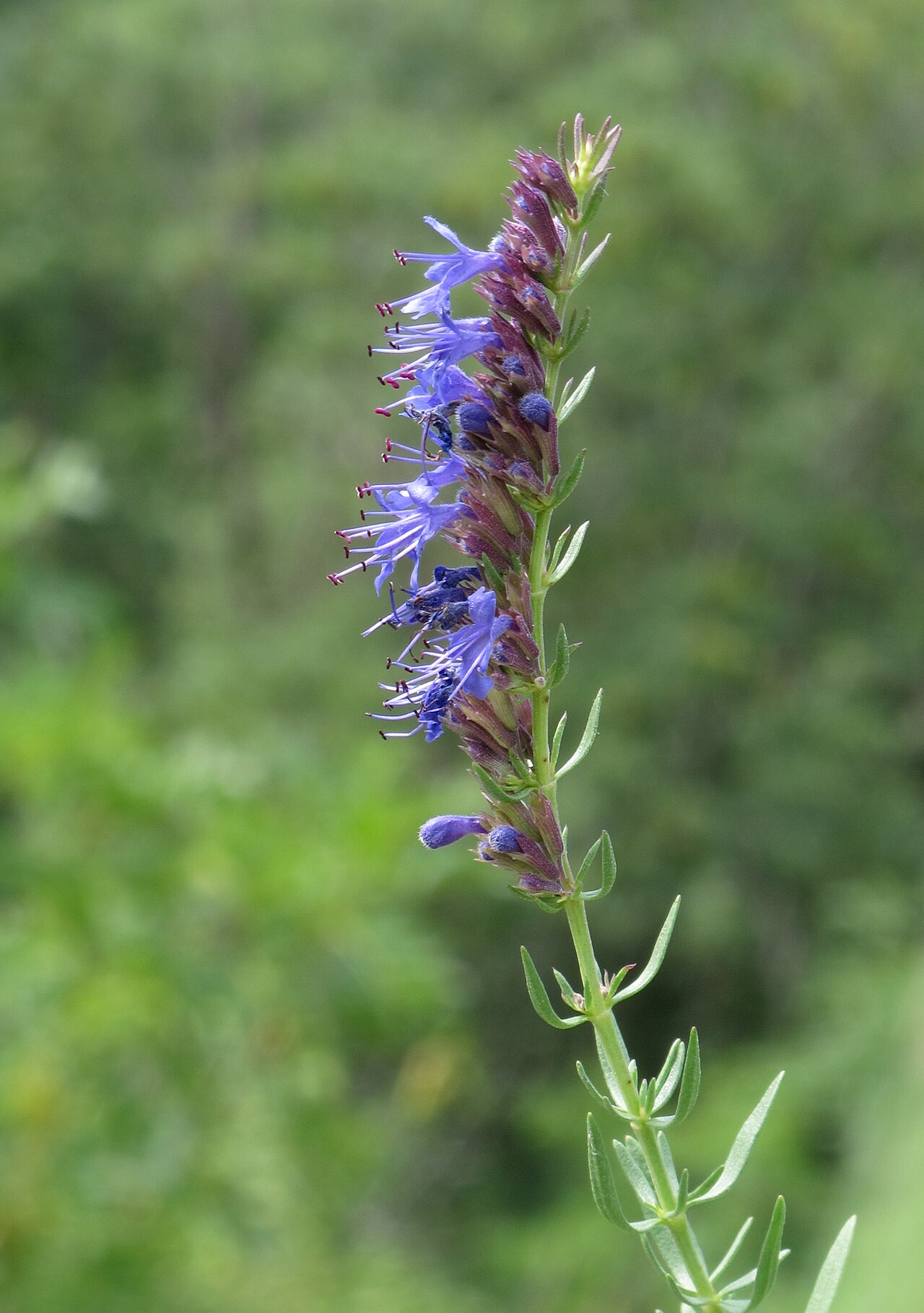
Photo of Hyssop
ⓒ

Photo: Robert Flogaus-Faust · CC BY 4.0 · Original file (Wikimedia Commons)

Hyssop

히솝

An herb that's cool like mint, bitter, and smells like pine. Most of absinthe's green color comes from this herb. Its aroma is very strong, so only a little is used in cooking.

Photo of Summer savory
ⓒ

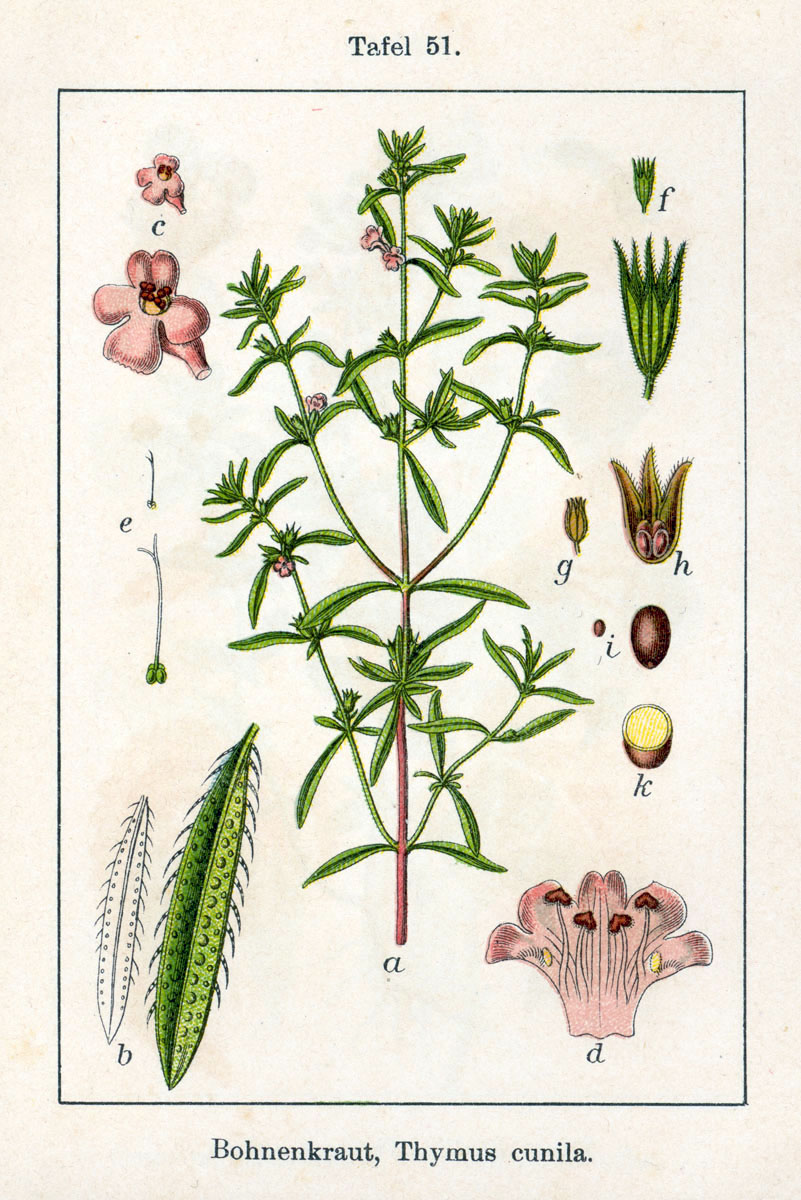
Photo: Johann Georg Sturm (Painter: Jacob Sturm) · Public domain · Original file (Wikimedia Commons)

Summer savory

서머 세이버리

In Germany it's called the "bean herb" (Bohnenkraut). There's a saying that adding it to beans brings them to life and turns a bean salad into something special. It's peppery, with a thyme-like aroma.

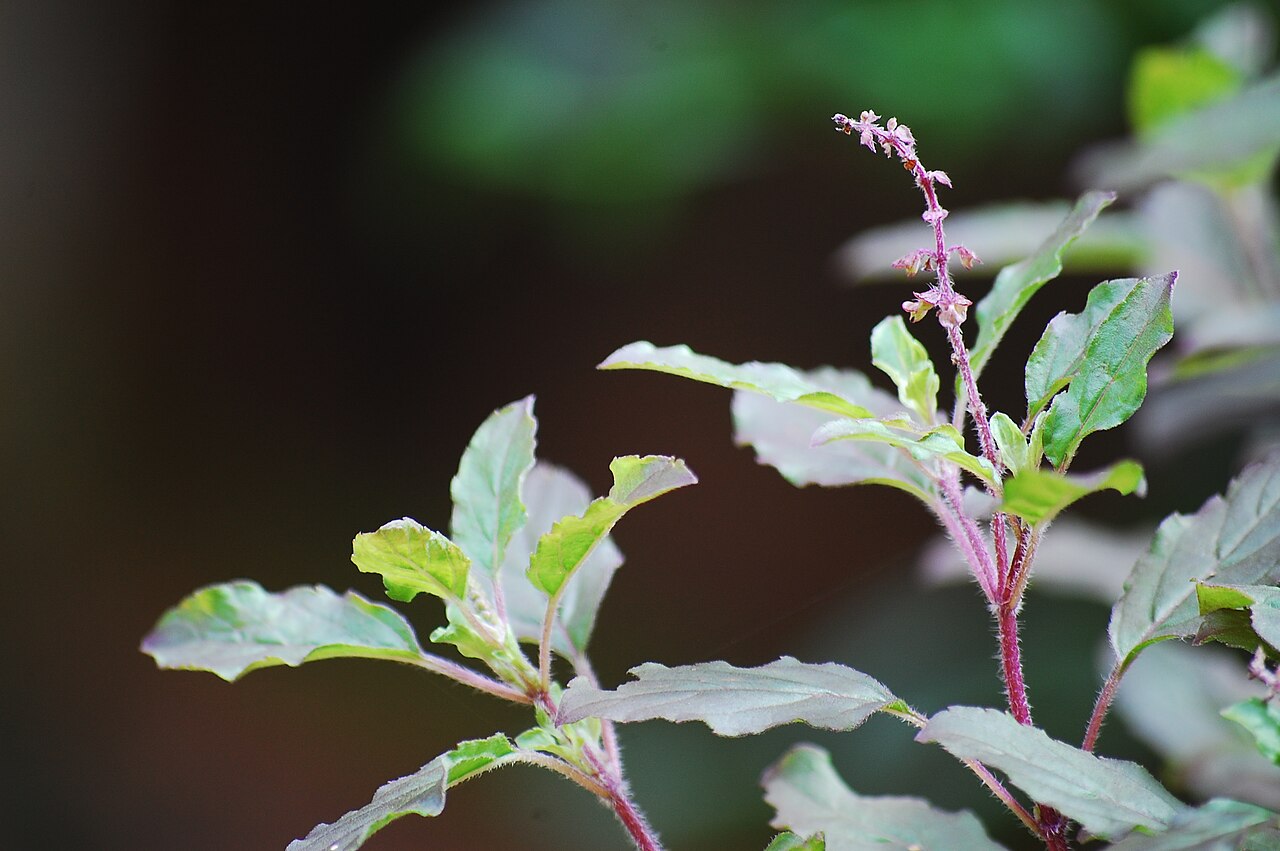
Photo of Holy basil
ⓒ

Photo: Challiyan at Malayalam Wikipedia · CC BY-SA 2.5 · Original file (Wikimedia Commons)

Holy basil

홀리 바질

The real star of pad kra pao (basil stir-fry with rice), a Thai street food. Unlike the basil we know, it has a sharp, spicy aroma like cloves. In India it's considered a sacred plant.

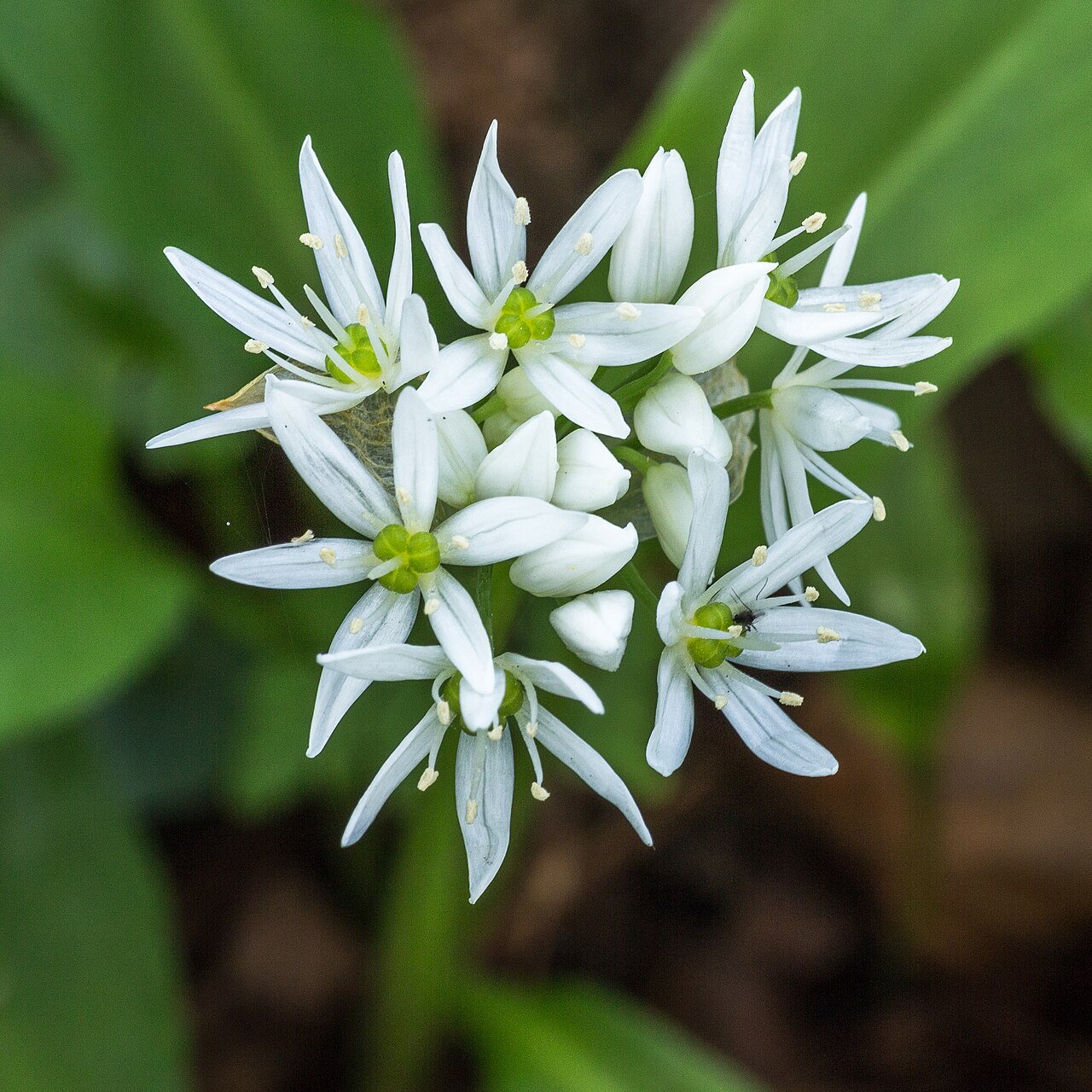
Photo of Wild garlic
ⓒ

Photo: Agnes Monkelbaan · CC BY-SA 4.0 · Original file (Wikimedia Commons)

Wild garlic

야생 마늘

In spring, these leaves carpet the floor of European forests like a green rug. Rub a leaf and it smells strongly of garlic, but it's softer and fresher than garlic. Noma, the Danish restaurant, even makes capers from this plant.

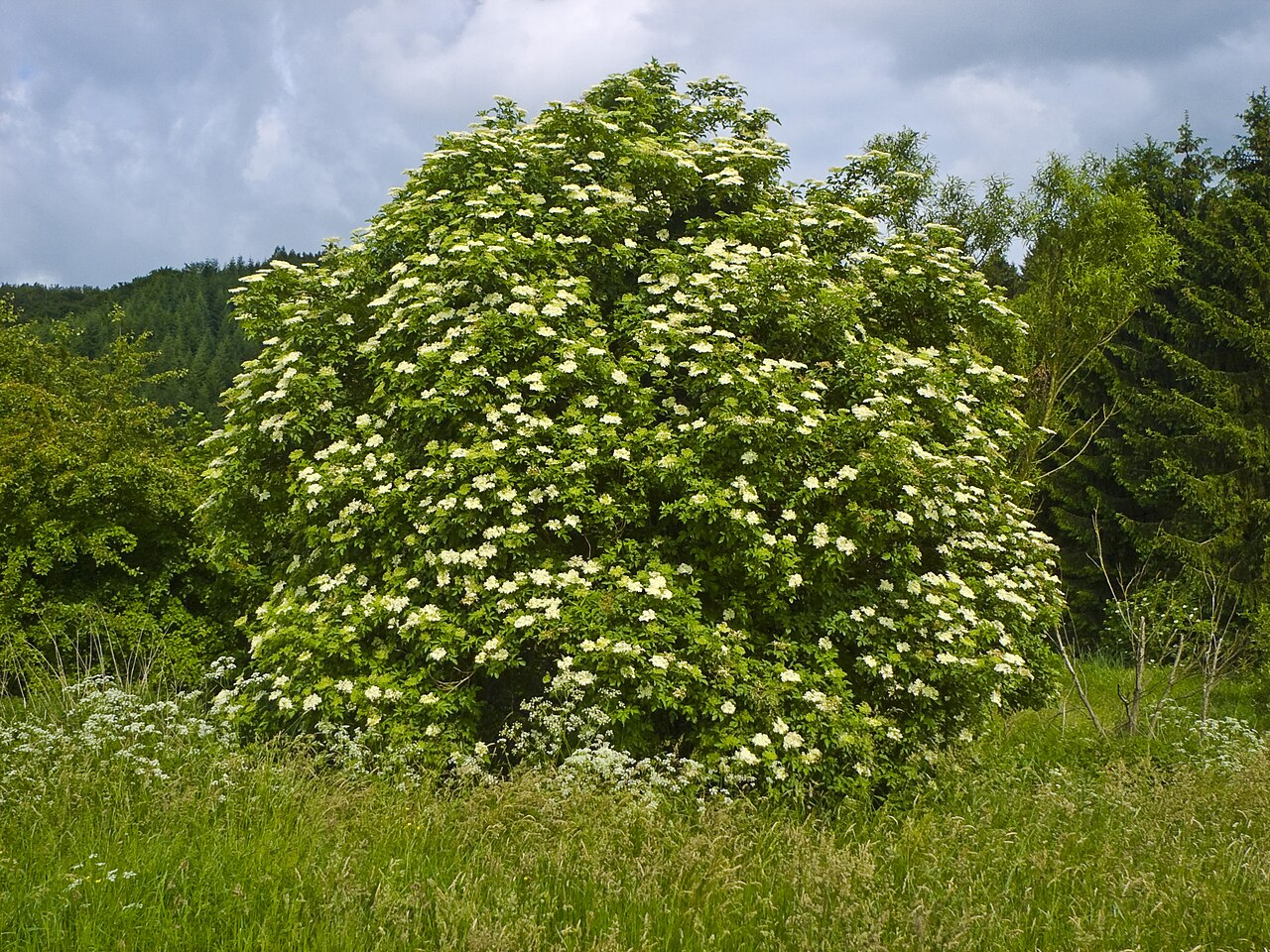
Photo of Elderflower
ⓒ

Photo: Willow · CC BY 2.5 · Original file (Wikimedia Commons)

Elderflower

엘더플라워

Its white flower clusters have a sweet scent like muscat grapes and vanilla. In Europe, a syrup drink made from these flowers is a symbol of summer. Korean mountains are home to a relative from the same group, the Korean elder (ttakchong-namu).

Photo of Spruce tips
ⓒ

Photo: The original uploader was MPF at English Wikipedia. · CC BY-SA 3.0 · Original file (Wikimedia Commons)

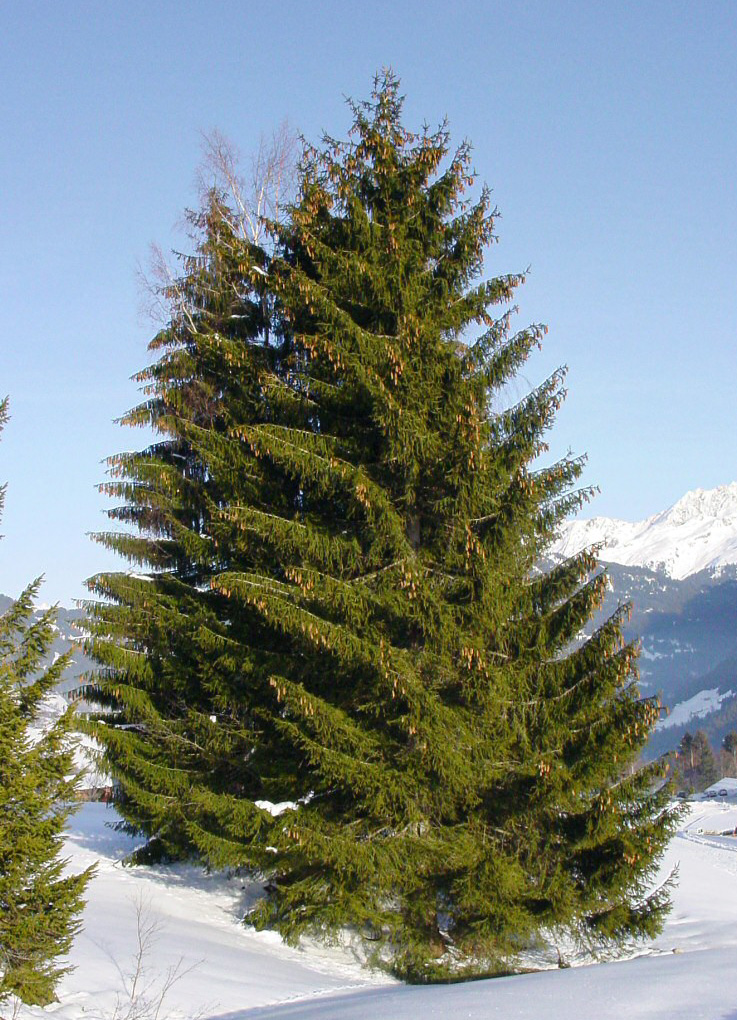
Spruce tips

가문비나무 새순

Light green new shoots that sprout at the ends of spruce branches in spring. Taste one and it's surprisingly fresh and lemony. Chefs, bartenders and brewers look for them every spring.

Photo of Myoga
ⓒ

Photo: Mariko GODA · CC BY-SA 3.0 · Original file (Wikimedia Commons)

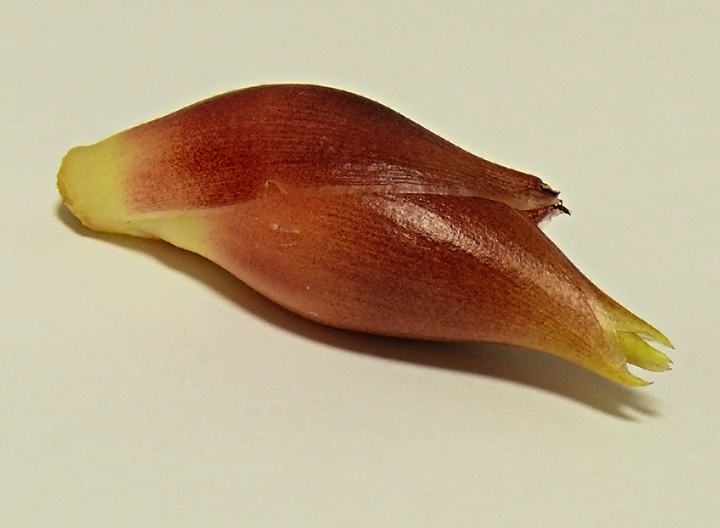
Myoga

양하

A relative of ginger, but instead of the root you eat the pinkish flower buds that rise from the ground. It's crunchy and fresh, with an aroma like a mix of ginger and green onion. In Korean cooking, myoga is sometimes threaded on skewers alternating with meat and pan-fried.

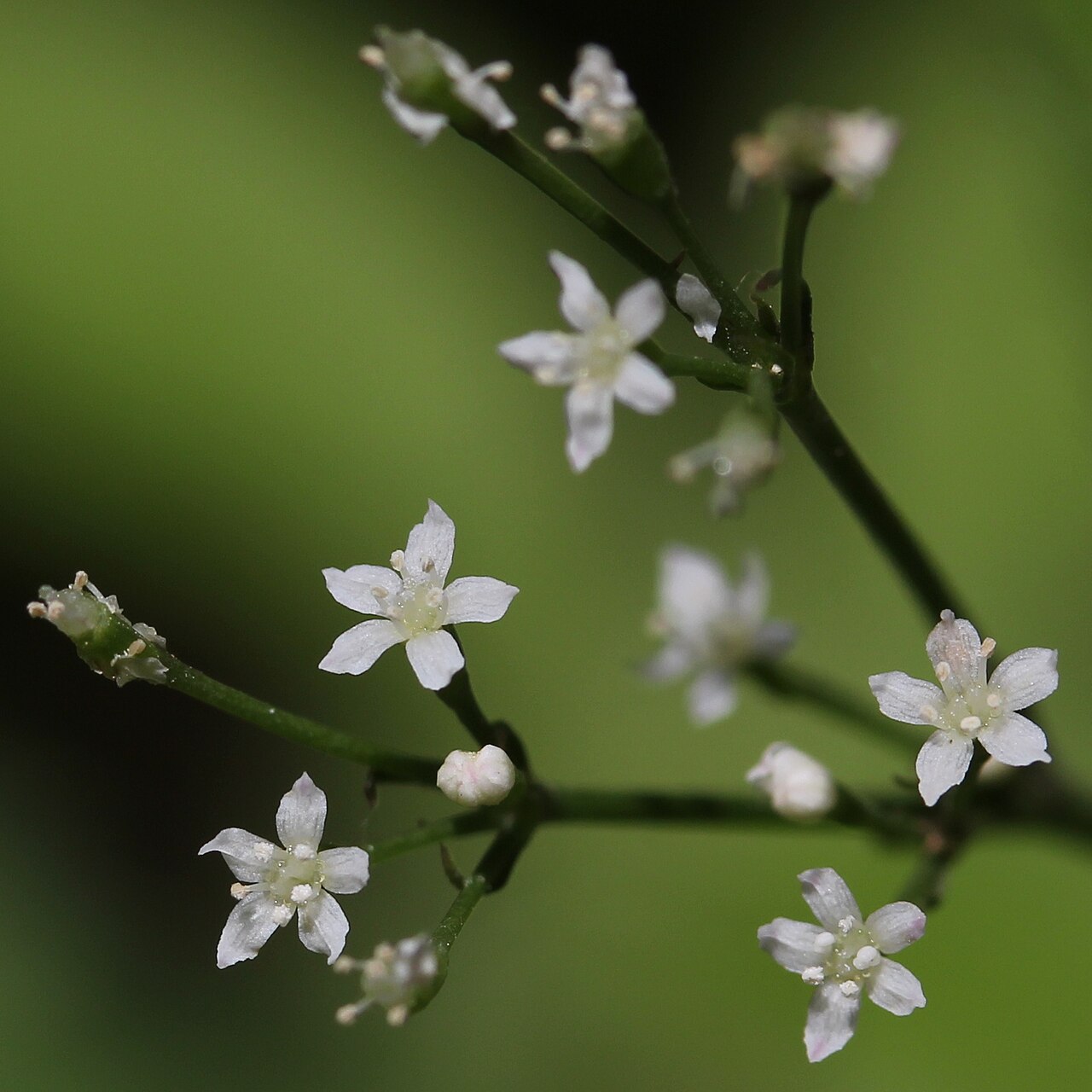
Photo of Nepitella
ⓒ

Photo: Johann Georg Sturm (Painter: Jacob Sturm) · Public domain · Original file (Wikimedia Commons)

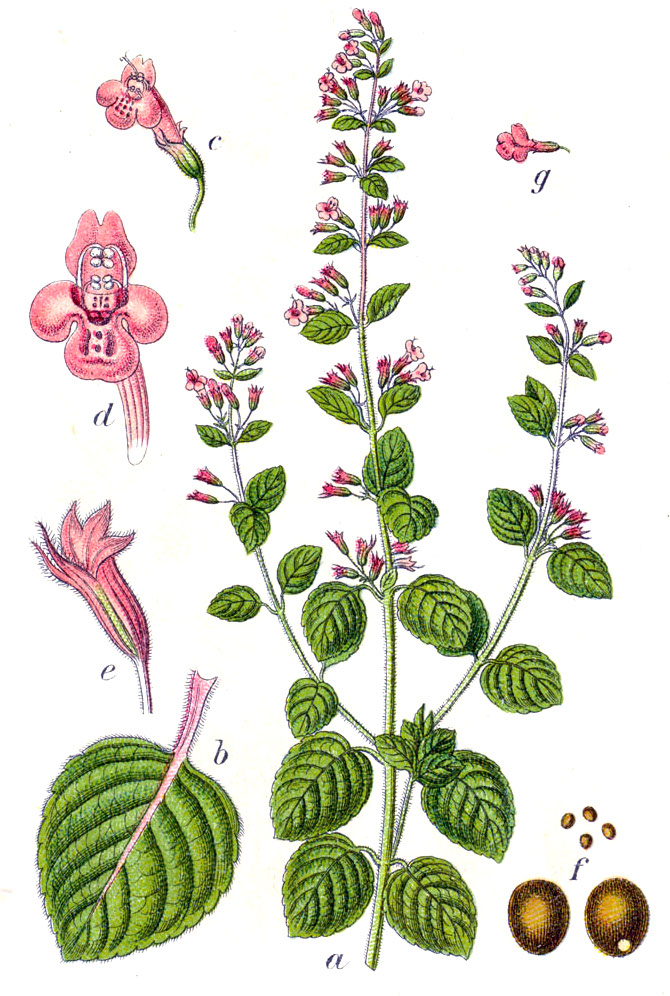
Nepitella

네피텔라

In Tuscany, Italy, this herb is said to be a must when sautéing mushrooms. It tastes like mint, oregano and basil combined in one leaf. It grows wild in Italian fields.

Photo of Vietnamese balm
ⓒ

Photo: Fagus · Public domain · Original file (Wikimedia Commons)

Vietnamese balm

베트남 밤

It looks like mint, but rub a leaf and a lemon scent rises up. It's one of the basic fresh herbs of Vietnamese cooking. It has lemon and mint aromas with a little heat.

Photo of Aniseed myrtle
ⓒ

Photo: John Moss · Public domain · Original file (Wikimedia Commons)

Aniseed myrtle

아니스 머틀

Leaves of a rare tree from the Australian rainforest, with a strong, sweet aroma like licorice candy. The aroma is strong enough to use instead of star anise.

Photo of Mountain pepper leaf
ⓒ

Photo: Melburnian · CC BY 3.0 · Original file (Wikimedia Commons)

Mountain pepper leaf

마운틴 페퍼 잎

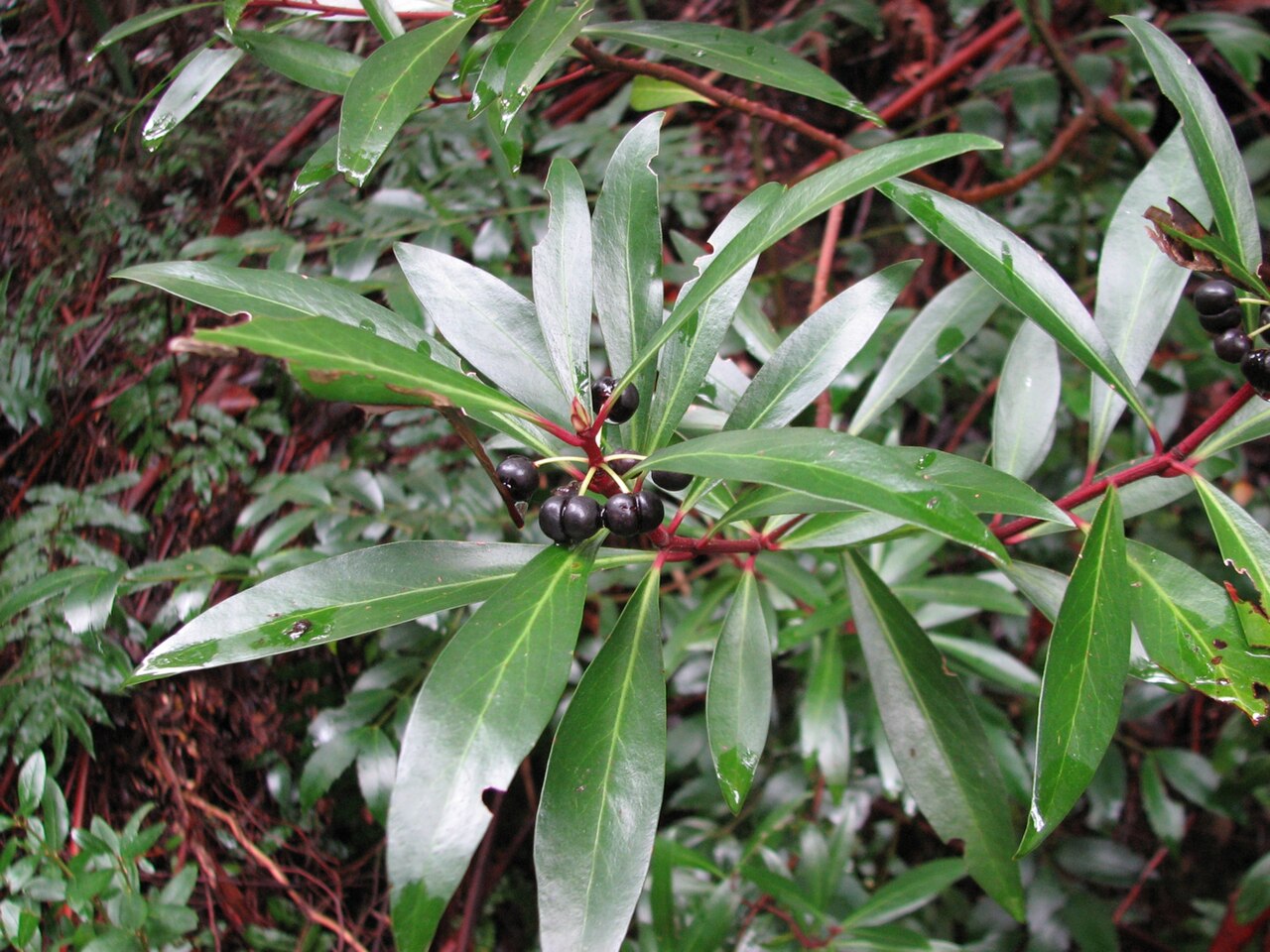
Leaves from a tree in the mountains of Tasmania, Australia. Chew one and it's hot like pepper and makes your tongue numb. It's a pretty tree with red stems, and both the leaves and berries are used like pepper.

Photo of Old man saltbush
ⓒ

Photo: Kevin Thiele from Perth, Australia · CC BY 2.0 · Original file (Wikimedia Commons)

Old man saltbush

솔트부시

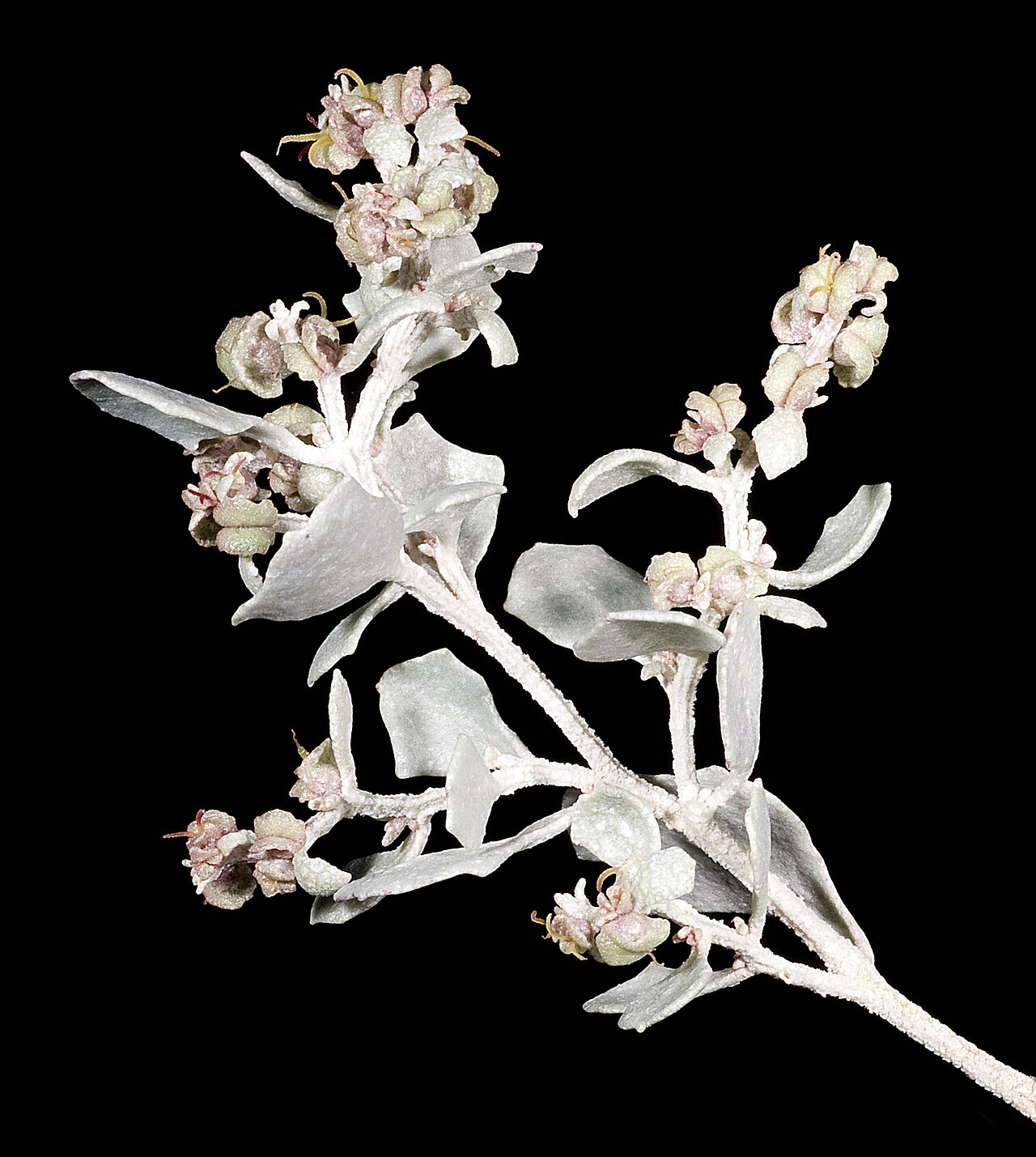
A silvery shrub from the Australian desert whose leaves, as the name says, taste of salt. It used to be sheep feed, but now chefs use it instead of salt. In Australia, lamb raised on these leaves is a delicacy.

Photo of Warrigal greens
ⓒ

Photo: Ixitixel · CC BY-SA 3.0 · Original file (Wikimedia Commons)

Warrigal greens

번행초

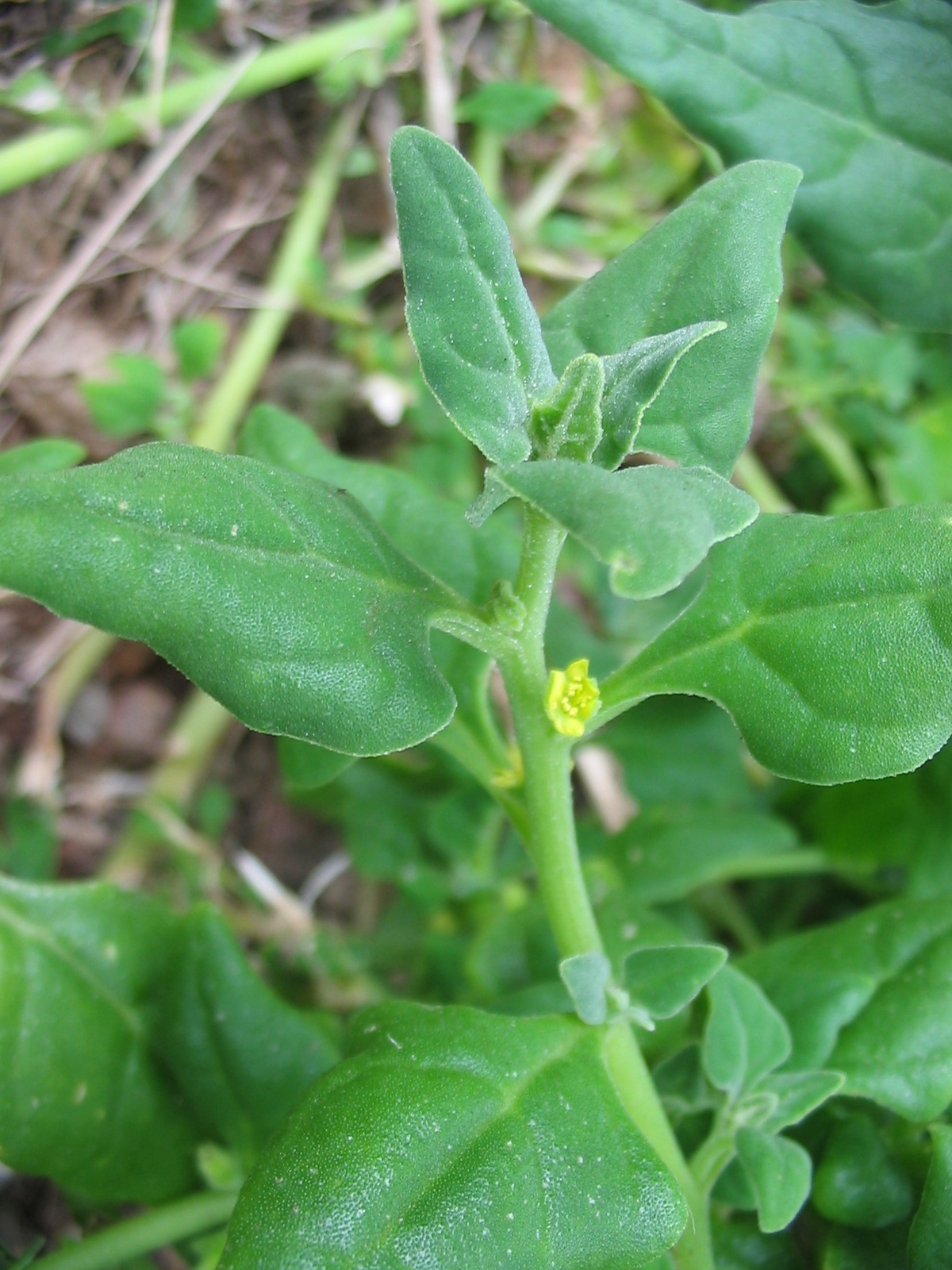
A seaside green that Captain Cook's crew are said to have eaten in 1770 to prevent scurvy. The leaves are covered in tiny droplet-like hairs. It's used like spinach but is slightly salty.

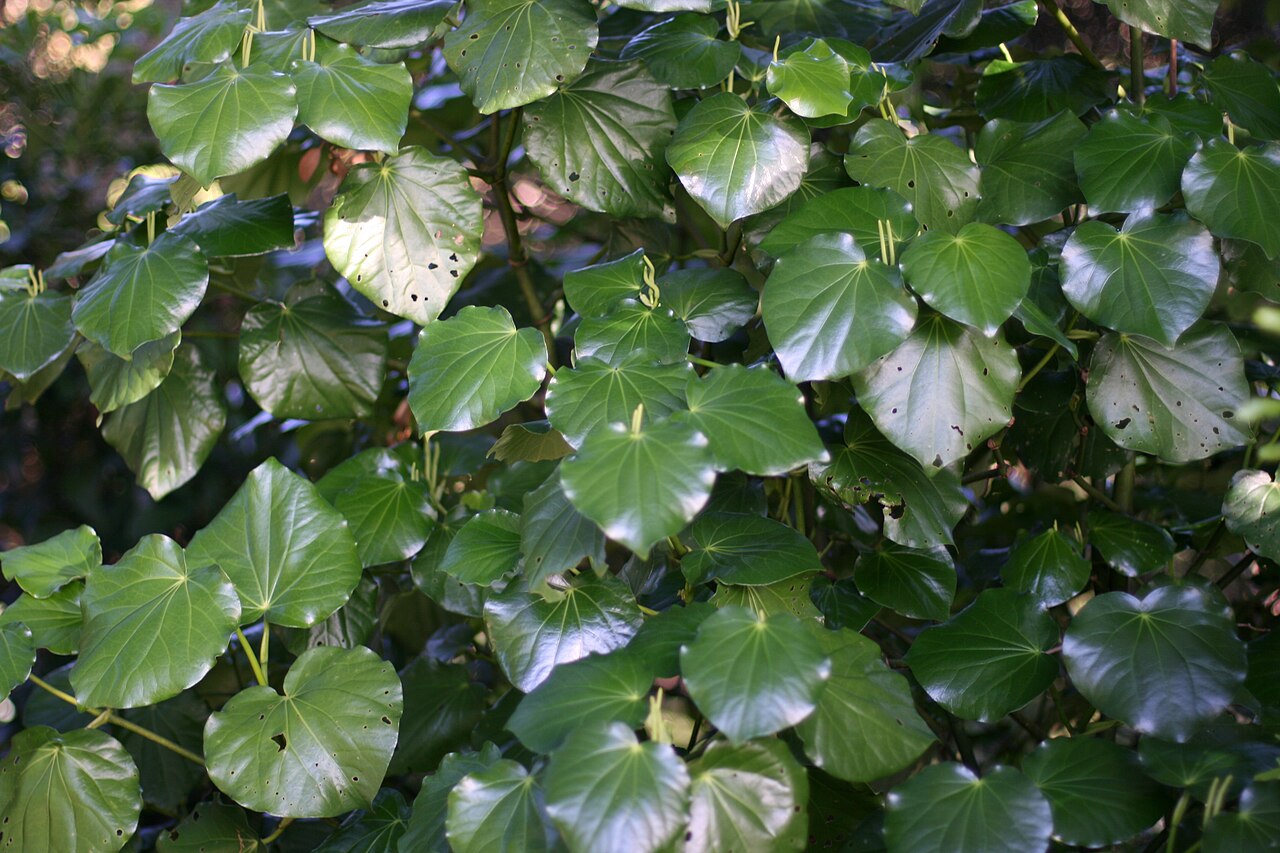
Photo of Kawakawa
ⓒ

Photo: Kahuroa · Public domain · Original file (Wikimedia Commons)

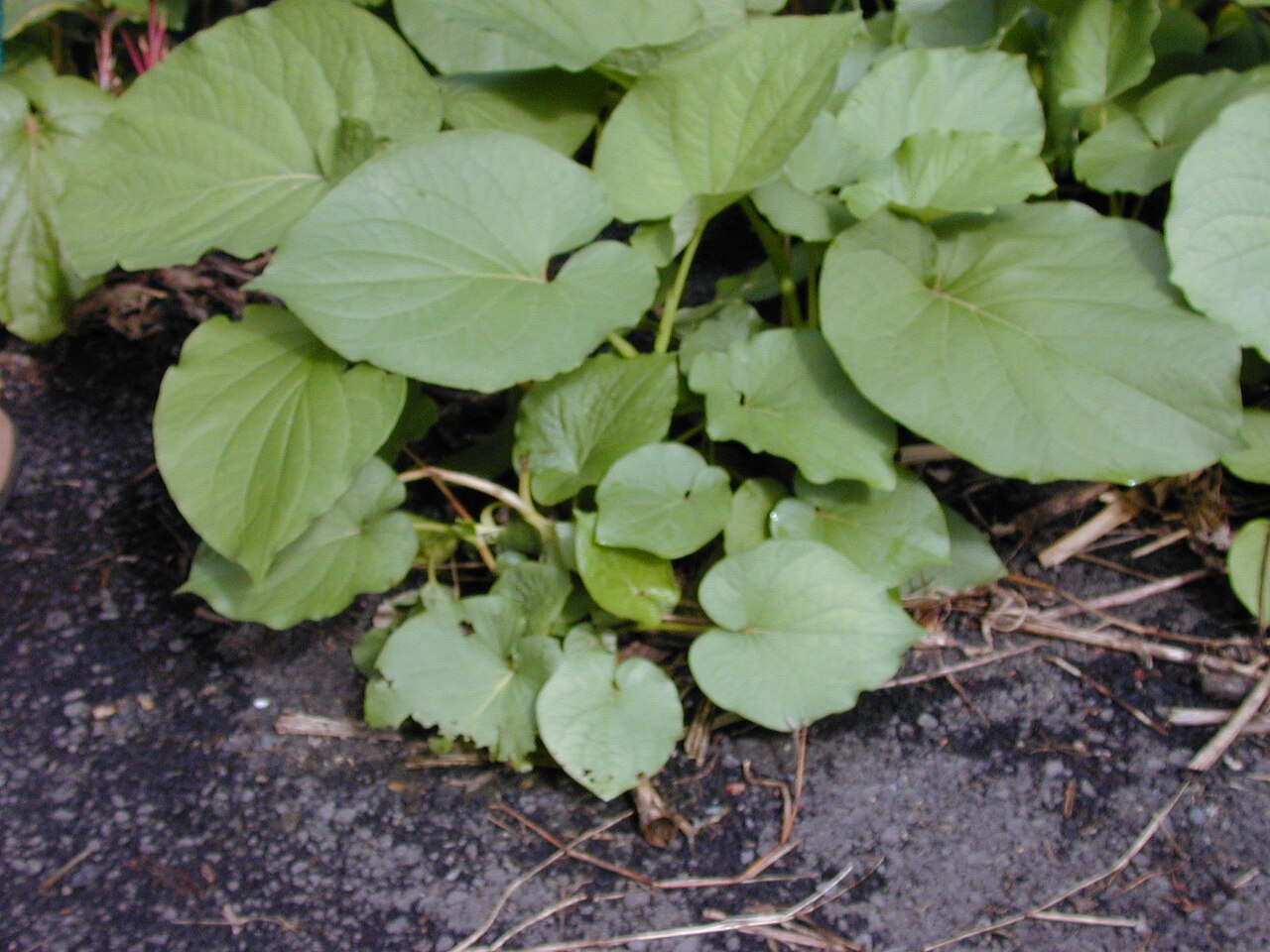
Kawakawa

카와카와

A heart-shaped leaf found only in New Zealand, and a relative of pepper. Chew it and it's bitter and peppery, and your mouth goes a little numb. In Māori tradition, leaves with holes chewed by caterpillars are considered better.

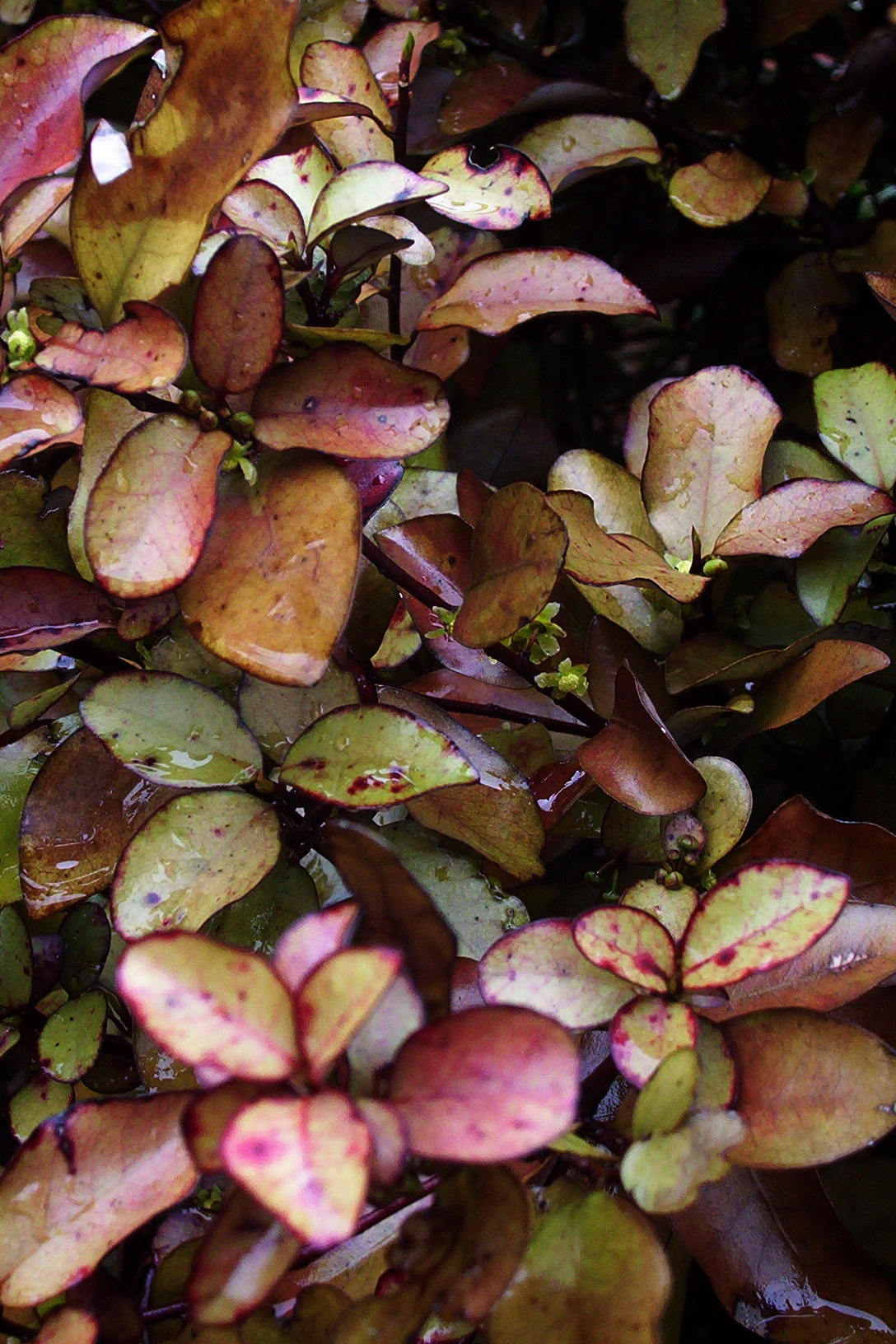
Photo of Horopito
ⓒ

Photo: peganum · CC BY-SA 2.0 · Original file (Wikimedia Commons)

Horopito

호로피토

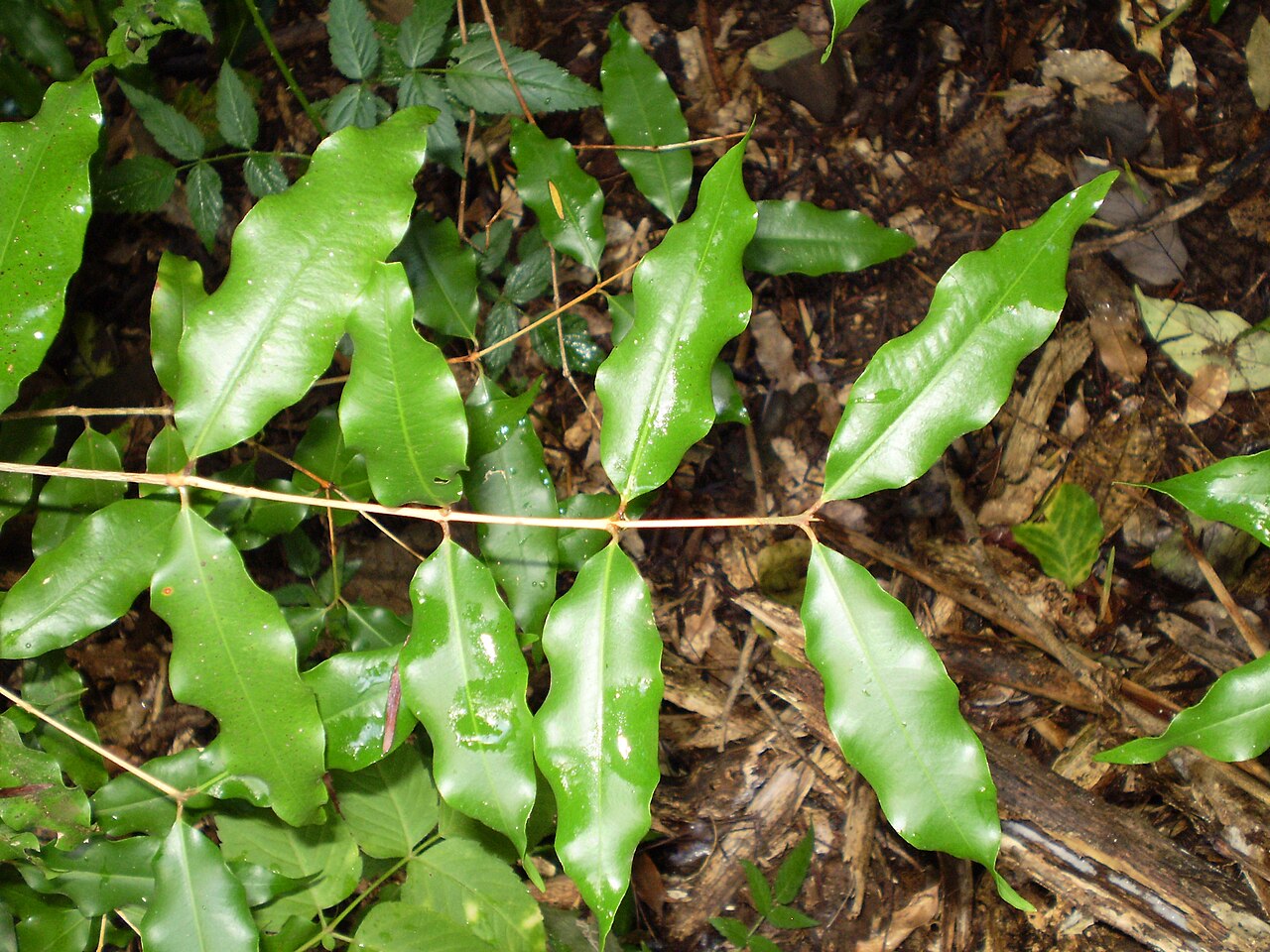
A red-blotched leaf from New Zealand forests, so hot that it burns your mouth. It's said to be so hot that even deer won't eat it. In New Zealand it's a native spice used instead of pepper.

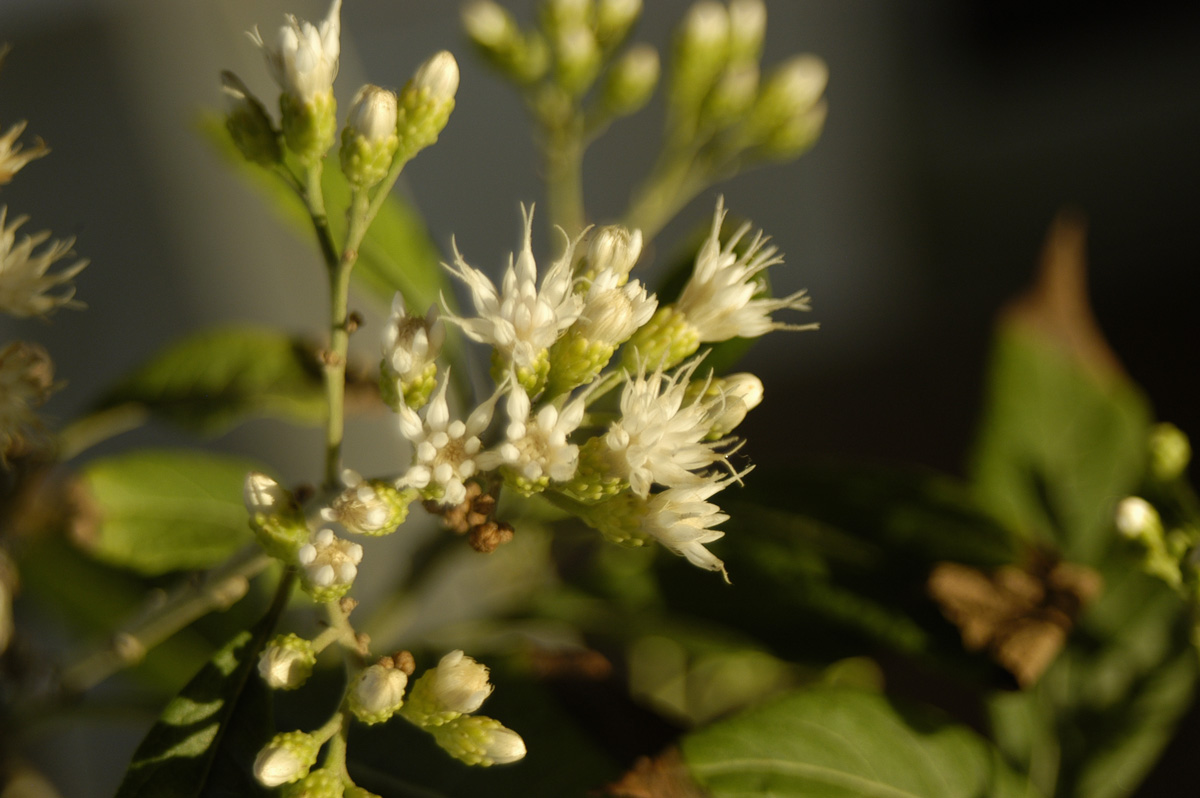
Photo of Bitter leaf
ⓒ

Photo: CostaPPPR · CC BY 3.0 · Original file (Wikimedia Commons)

Bitter leaf

비터리프

As the name says, a "bitter leaf." In Nigeria, the leaves are squeezed and washed several times to remove the bitterness, leaving only a gentle bitter note, and then cooked into soup. Sick wild chimpanzees have even been seen chewing these leaves.

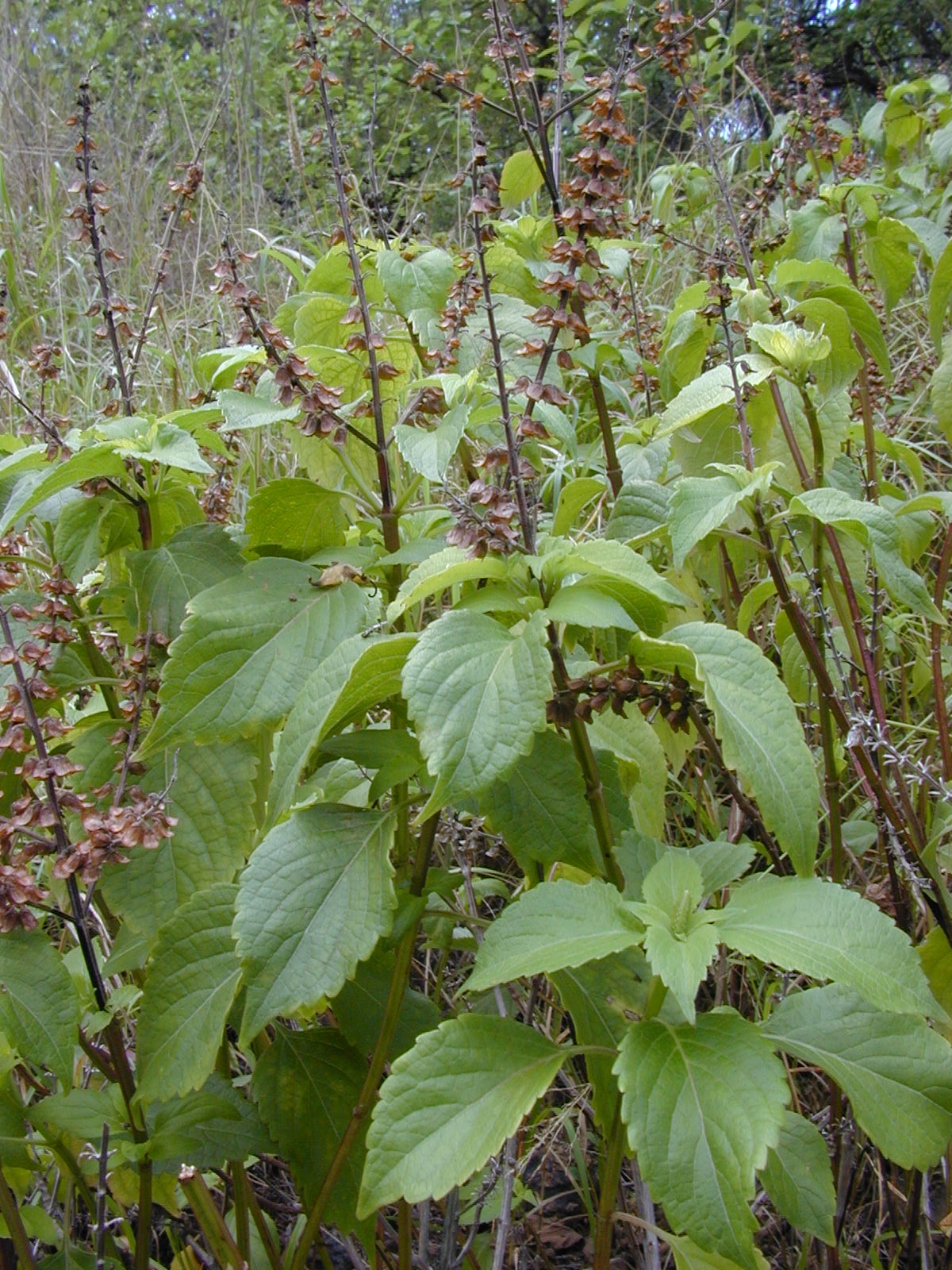
Photo of Scent leaf
ⓒ

Photo: Forest & Kim Starr · CC BY 3.0 · Original file (Wikimedia Commons)

Scent leaf

센트리프

The fragrant leaf added at the end of Nigerian pepper soup. It's a kind of basil, with a rich aroma mixing clove and oregano.

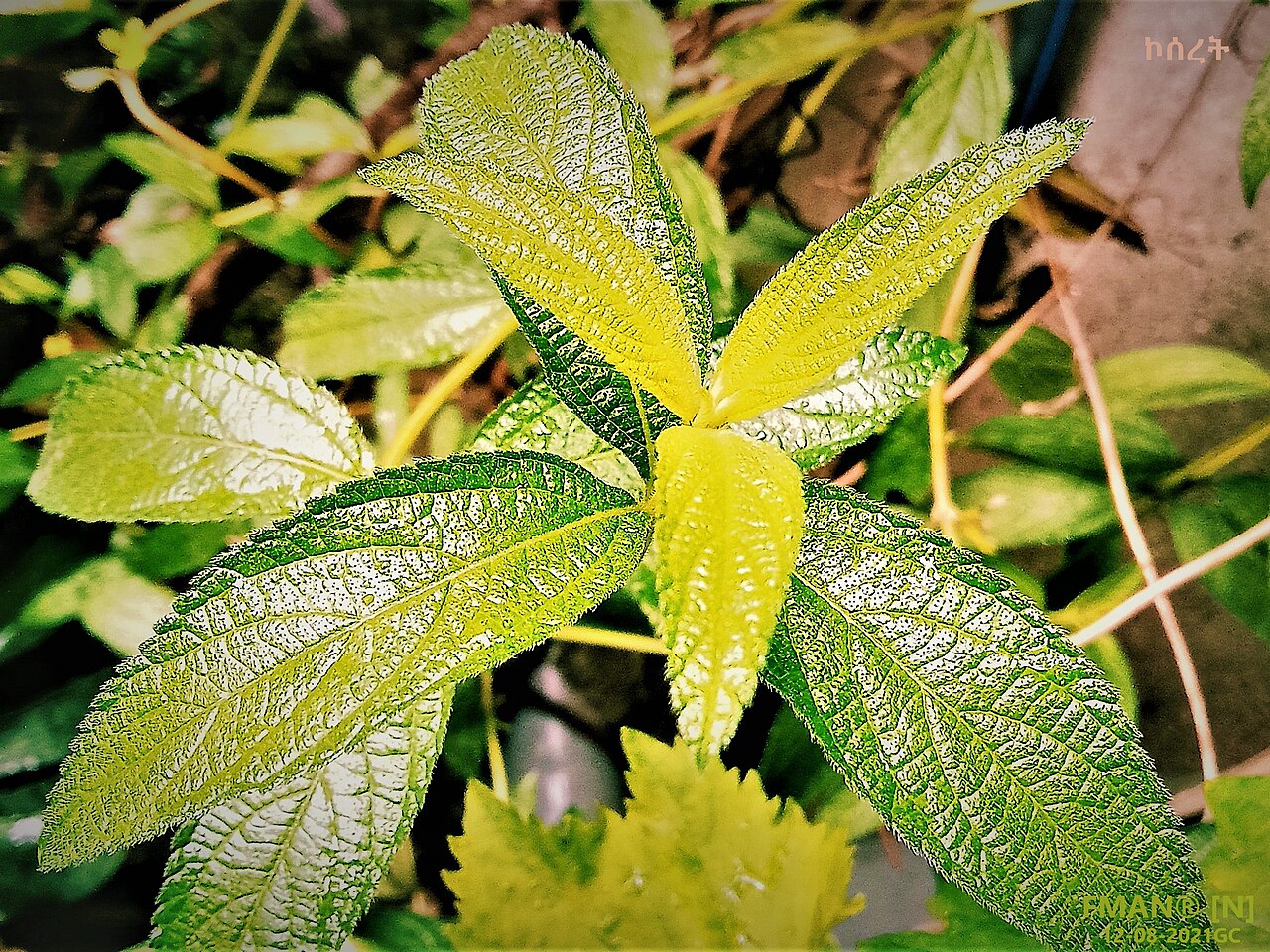
Photo of Koseret
ⓒ

Photo: Nathan FMAN · CC BY-SA 4.0 · Original file (Wikimedia Commons)

Koseret

코세레트

An herb that's essential in niter kibbeh, the spiced butter that defines Ethiopian cooking. It smells like a mix of mint, basil and oregano, with a touch of lemon.

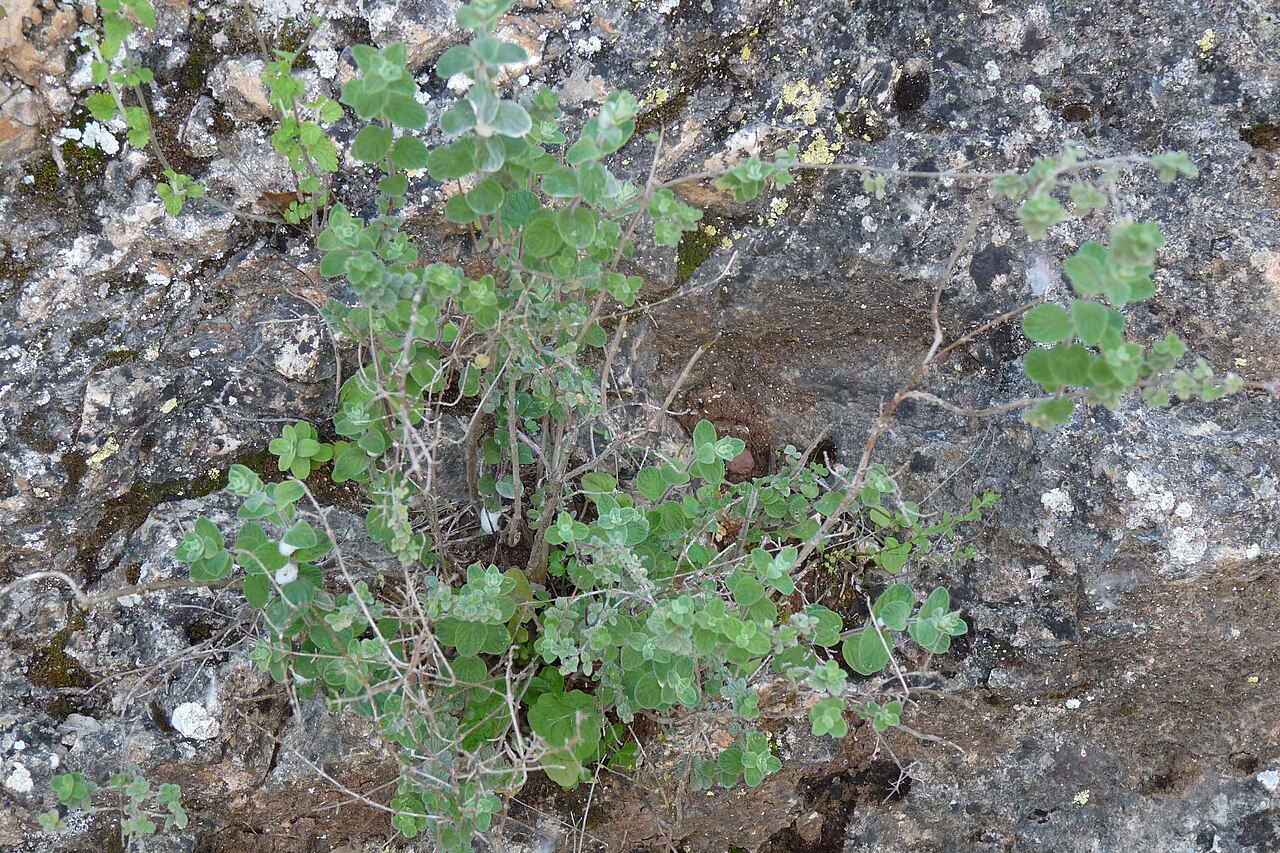
Photo of Za'atar
ⓒ

Photo: Kippi70 · CC BY-SA 3.0 · Original file (Wikimedia Commons)

Za'atar

자타르 허브

The original plant behind za'atar, the famous Middle Eastern seasoning. It smells like oregano, thyme and marjoram combined. Many scholars think the "hyssop" in the Bible is this plant.

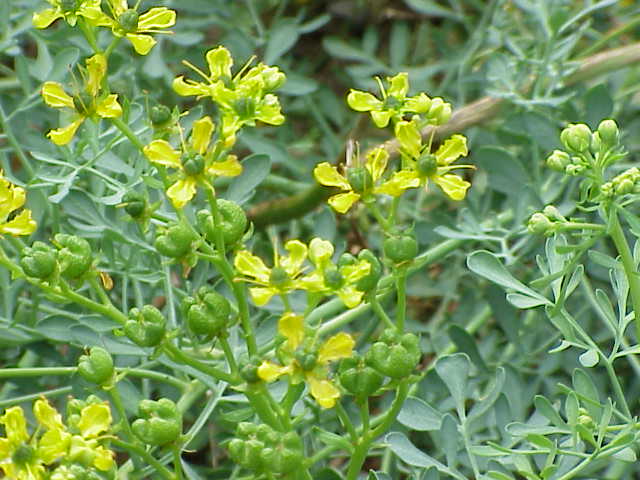
Photo of Rue
ⓒ

Photo: Kurt Stüber [1] · CC BY-SA 3.0 · Original file (Wikimedia Commons)

Rue

루

A very bitter herb that was widely used in ancient Roman cooking but is now almost forgotten. In Italy its branches are put in grappa (grape brandy) for flavor, and in Ethiopia it's steeped in coffee.

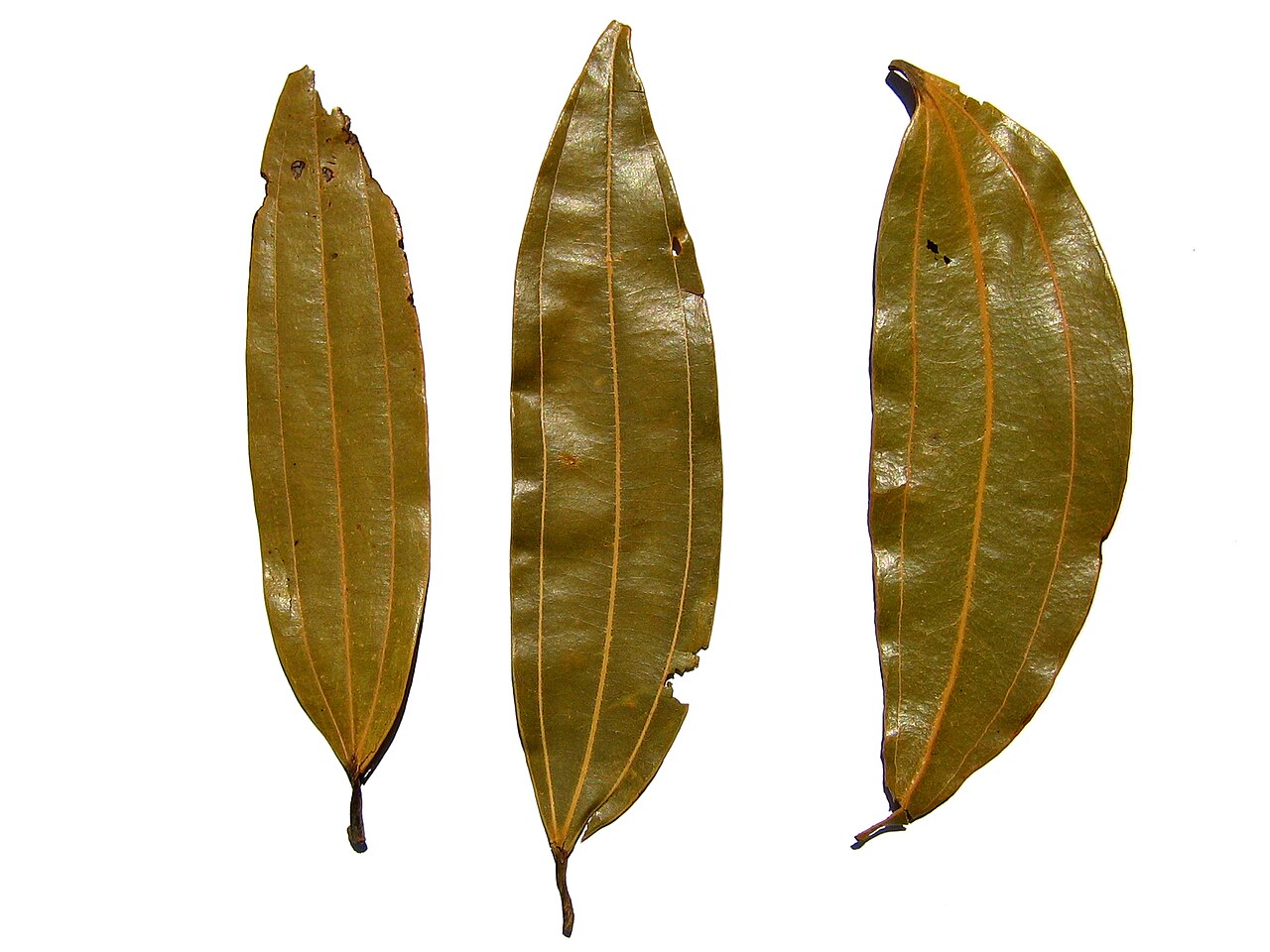
Photo of Indian bay leaf
ⓒ

Photo: Sonja Pauen · Public domain · Original file (Wikimedia Commons)

Indian bay leaf

인도 월계수잎

It's called a bay leaf, but it's actually the leaf of a relative of the cinnamon tree. So instead of a bay aroma, it smells of cinnamon and cloves. The fragrance of Indian biryani comes from this leaf.

Photo of Mexican oregano
ⓒ

Photo: Dick Culbert from Gibsons, B.C., Canada · CC BY 2.0 · Original file (Wikimedia Commons)

Mexican oregano

멕시칸 오레가노

It's called oregano, but it's a completely different plant from the oregano sprinkled on pizza. It's a relative of lemon verbena, so its oregano aroma comes mixed with a lime-like freshness.

Photo of Cuban oregano
ⓒ

Photo: Eigenmusic · CC BY-SA 3.0 · Original file (Wikimedia Commons)

Cuban oregano

쿠반 오레가노

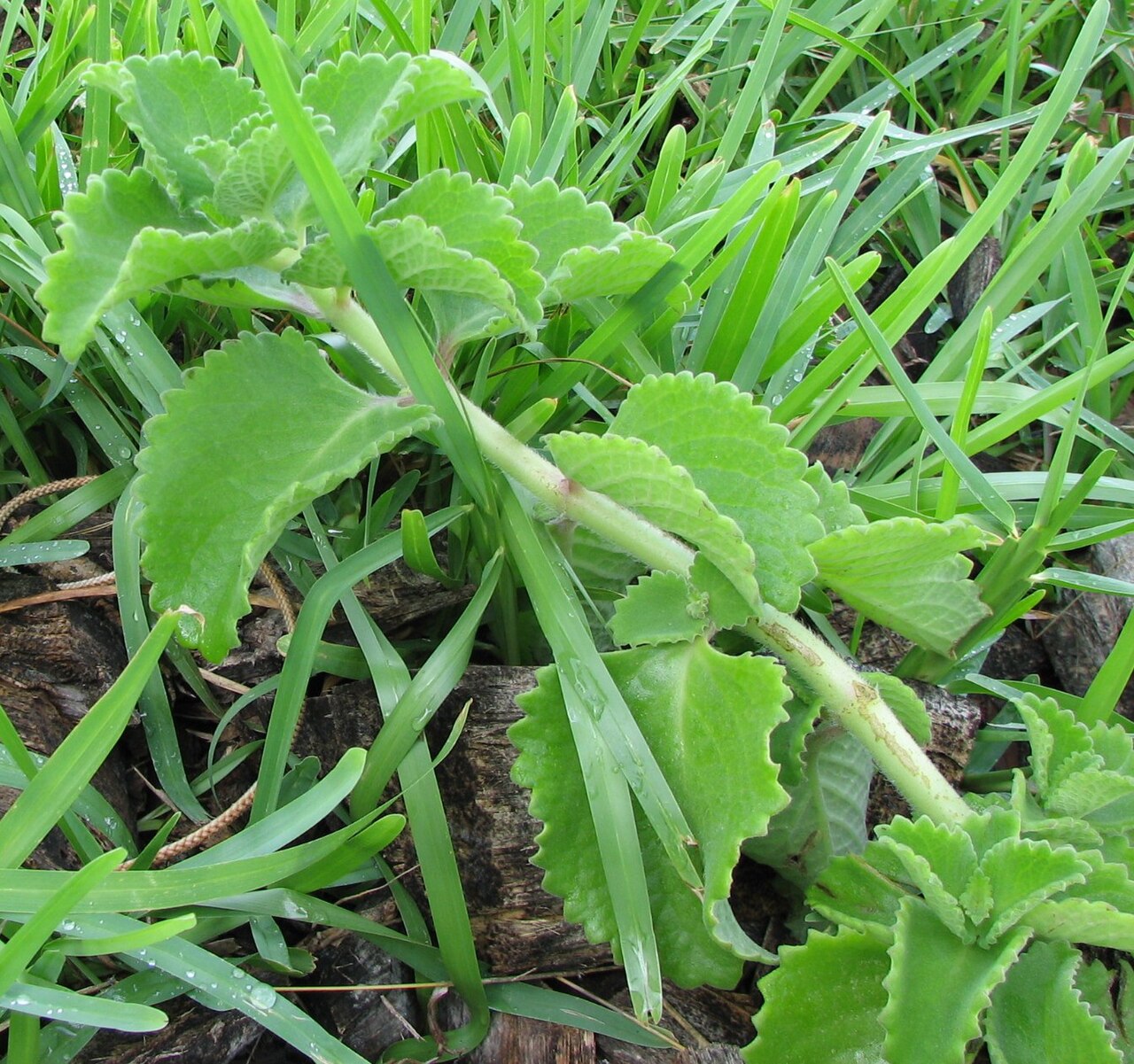
Its leaves are thick like a succulent and covered in soft fuzz. Rub just one leaf and you get a strong aroma like a mix of oregano, thyme and sage. In Thailand it's called "tiger's ear."

Avocado leaf

아보카도잎

In Mexico, not only the avocado fruit but also the leaves are used as a seasoning. They go into soups like bay leaves and have a sweet licorice and anise aroma. But only leaves from Mexican-type trees can be eaten.

Photo of Sweetgrass
ⓒ

Photo: Andrey Zharkikh from Salt Lake City, USA · CC BY 2.0 · Original file (Wikimedia Commons)

Sweetgrass

스위트그라스

The single blade of grass inside a bottle of the Polish vodka Żubrówka is this grass. Dried, it has a sweet aroma of vanilla and freshly cut hay. It's named bison grass because European bison love it.

Photo of Pipicha
ⓒ

Photo: peganum · CC BY-SA 2.0 · Original file (Wikimedia Commons)

Pipicha

피피차

A thin-leaved relative of papalo. It's like cilantro with lemon and anise, plus a touch of pine and mint. In Oaxaca, Mexico, it's an herb people always eat when spring comes.

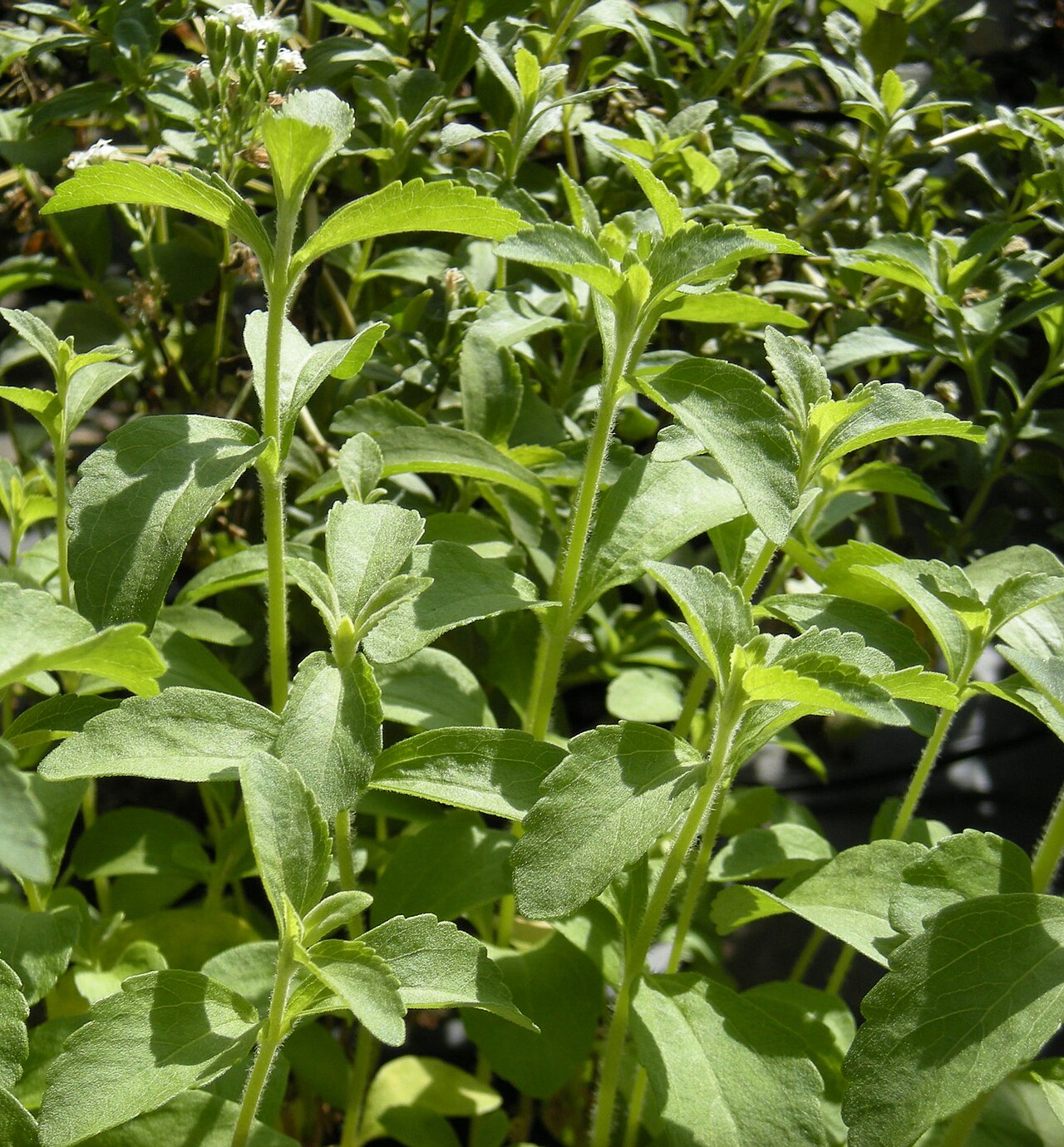
Photo of Stevia leaf
ⓒ

Photo: Ethel Aardvark · CC BY 3.0 · Original file (Wikimedia Commons)

Stevia leaf

스테비아잎

Chew one leaf and sweetness spreads as if you ate sugar. The Guaraní people of South America have called this leaf "sweet herb" and added it to drinks for more than 1,500 years.

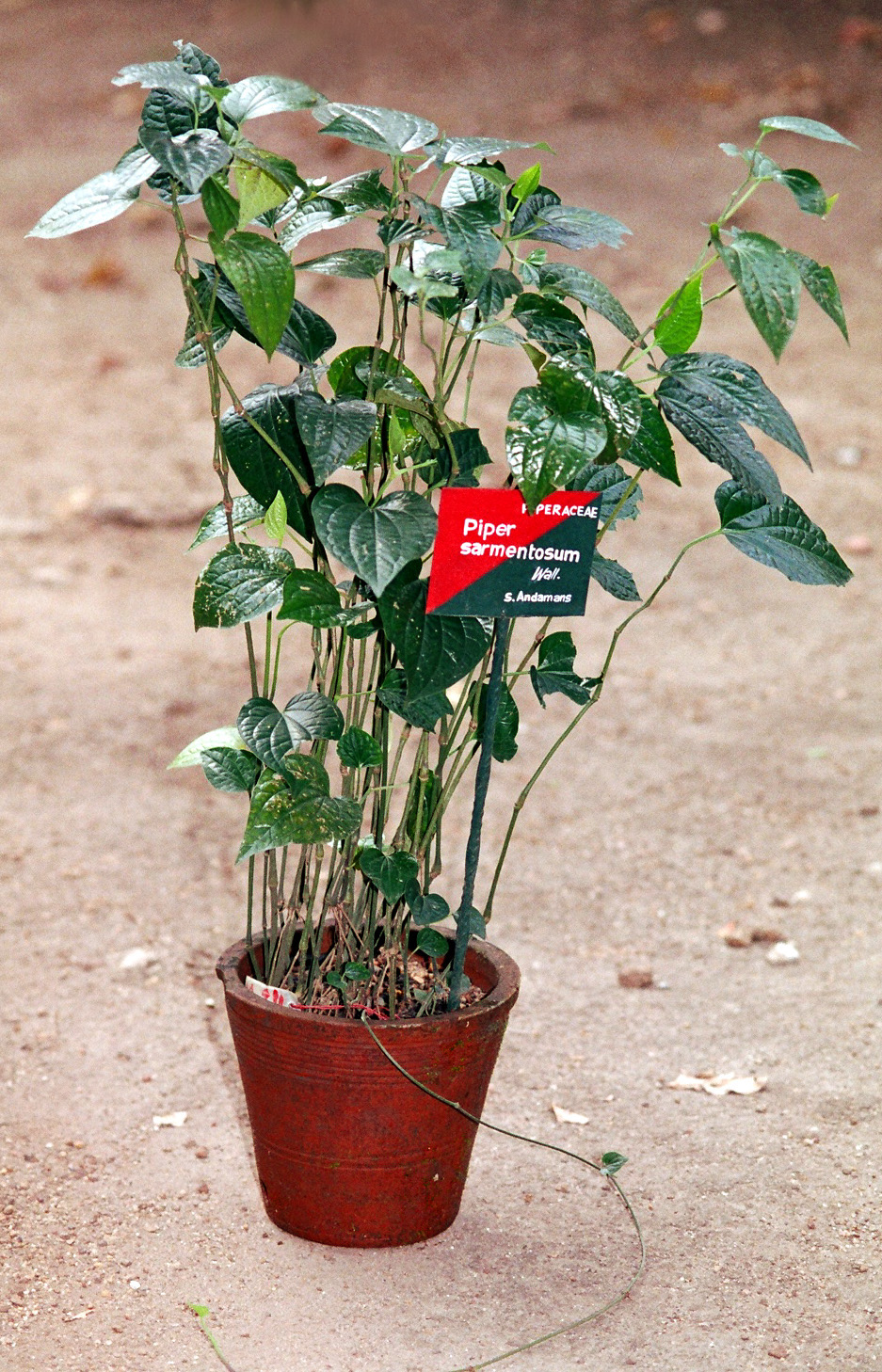
Photo of La lot
ⓒ

Photo: Sam P Mathew · CC BY-SA 3.0 · Original file (Wikimedia Commons)

La lot

라롯

A shiny, heart-shaped leaf that's a relative of pepper. In Vietnam, seasoned beef is rolled in these leaves and grilled over charcoal, and in Thailand various ingredients are wrapped in the leaf and eaten in one bite.

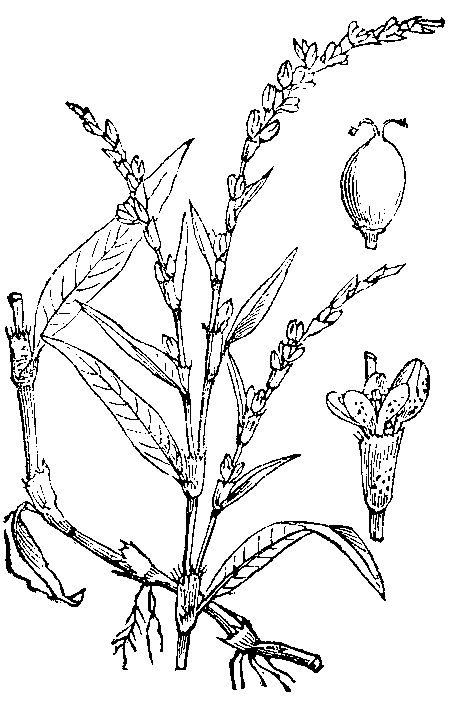
Photo of Water pepper
ⓒ

Photo: Martin Cilenšek · Public domain · Original file (Wikimedia Commons)

Water pepper

여뀌

Water pepper, common by the water in Korea too, is an herb that's always served with sweetfish (ayu) in Japan. Chew a leaf and it has a sharp heat like wasabi.

Photo of Mitsuba
ⓒ

Photo: Alpsdake · CC BY-SA 4.0 · Original file (Wikimedia Commons)

Mitsuba

미쓰바

Its leaves grow in threes, so in Japanese it's called "three leaves" (mitsuba). It has a refreshing aroma like a mix of celery and parsley, and a sprig always goes on top of Japanese steamed egg custard.

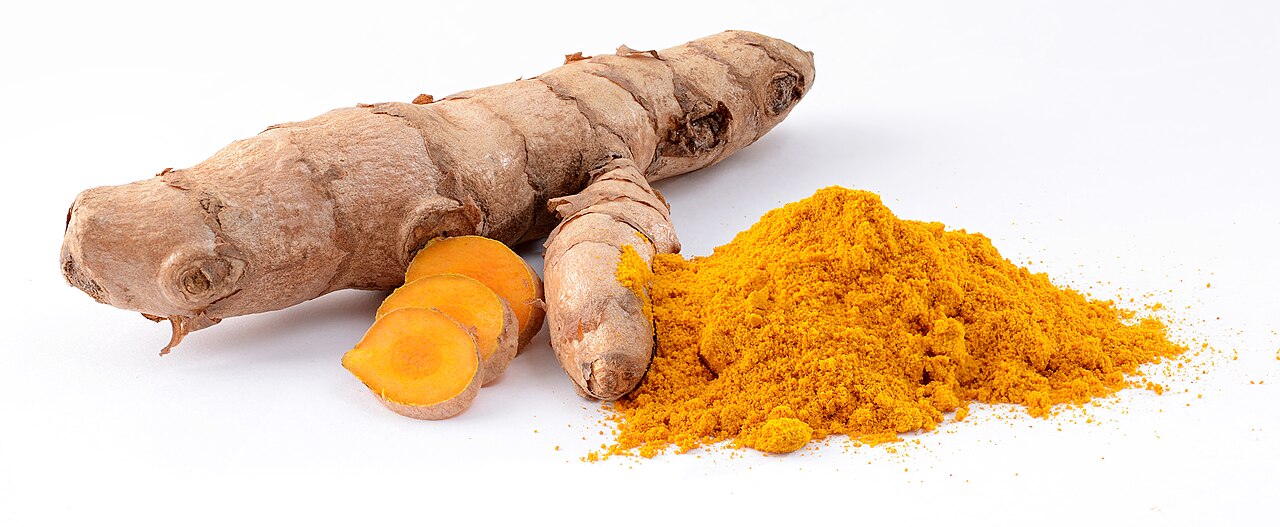
Photo of Turmeric leaf
ⓒ

Photo: Simon A. Eugster · CC BY-SA 3.0 · Original file (Wikimedia Commons)

Turmeric leaf

강황잎

The leaf of turmeric, the yellow spice used in curry. When rice cakes are wrapped in these big leaves and steamed, the whole kitchen fills with fragrance. The real aroma of Malaysian rendang curry also comes from this leaf.

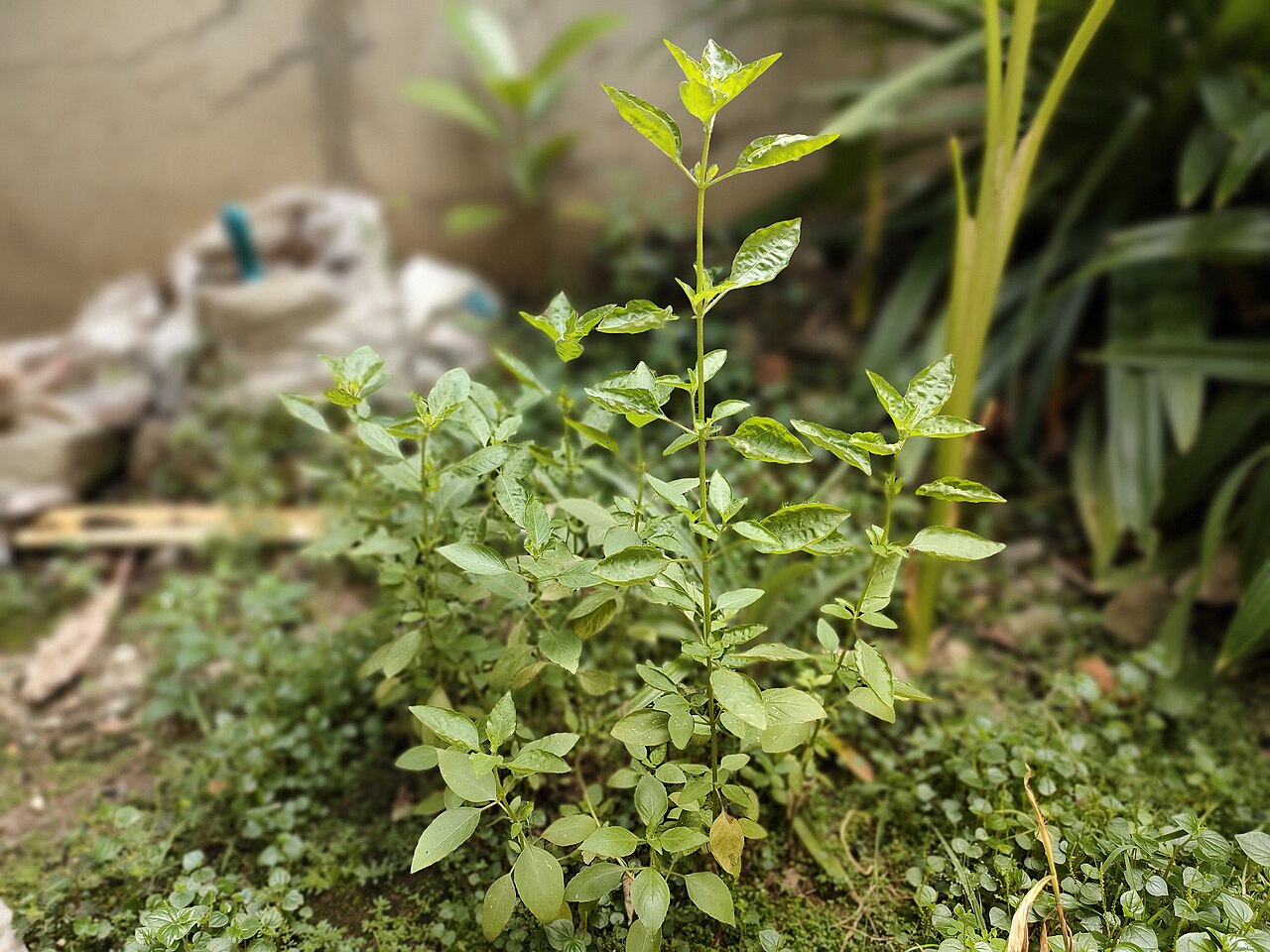
Photo of Lemon basil
ⓒ

Photo: Vitaium · CC BY-SA 4.0 · Original file (Wikimedia Commons)

Lemon basil

레몬 바질

A curious herb: basil that smells of lemon. It's a hybrid of common basil and American basil. Soaked in water, its seeds swell up like frog spawn, and they're sometimes added to drinks.

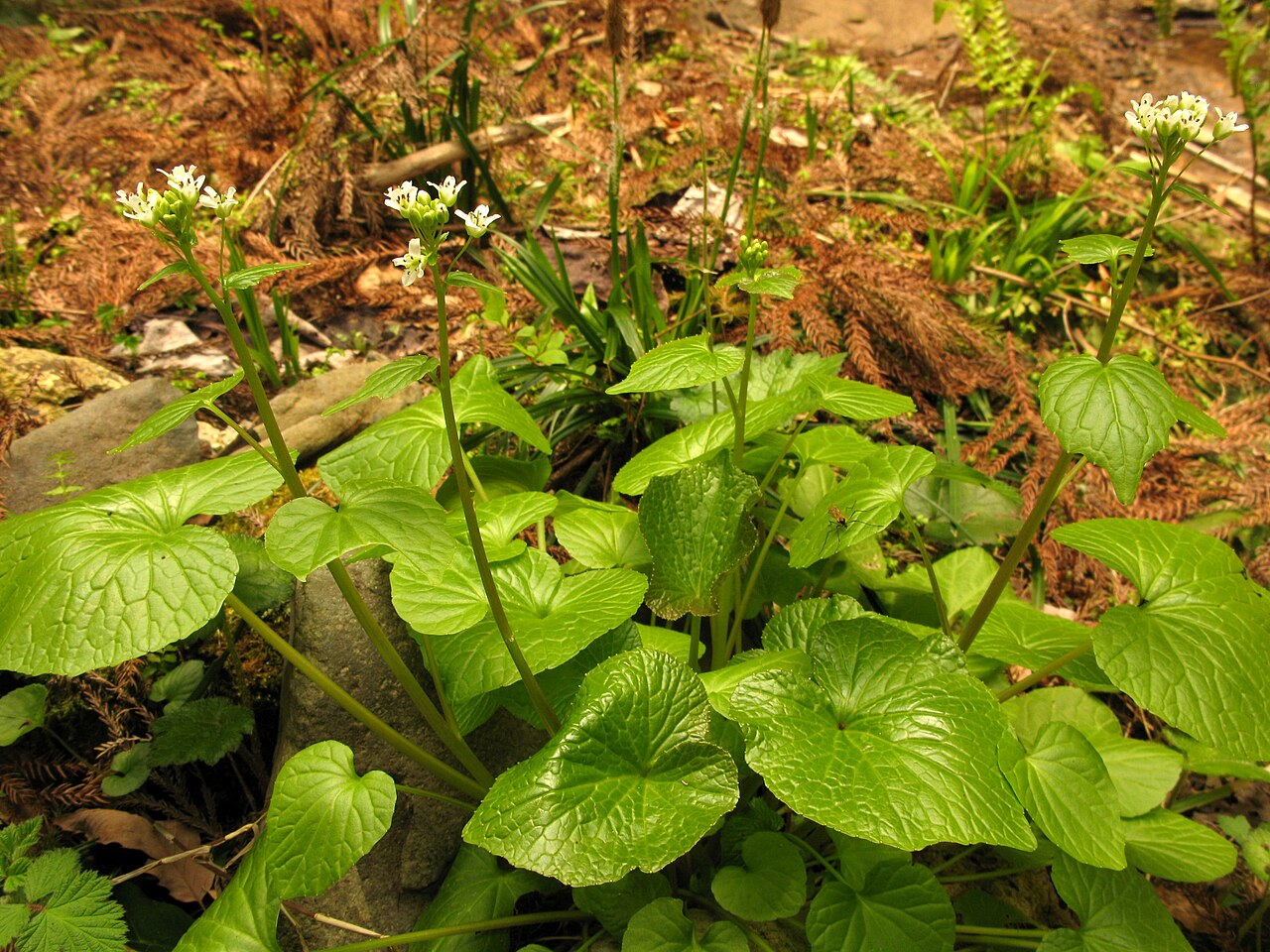
Photo of Wasabi leaf & flower
ⓒ

Photo: Qwert1234 · CC BY-SA 3.0 · Original file (Wikimedia Commons)

Wasabi leaf & flower

와사비잎과 꽃

The leaves and flowers of wasabi, the kind served on sushi, are edible too. They're milder than the root but have a sharp kick like mustard greens. Wasabi flowers are a prized ingredient that blooms only briefly in spring.

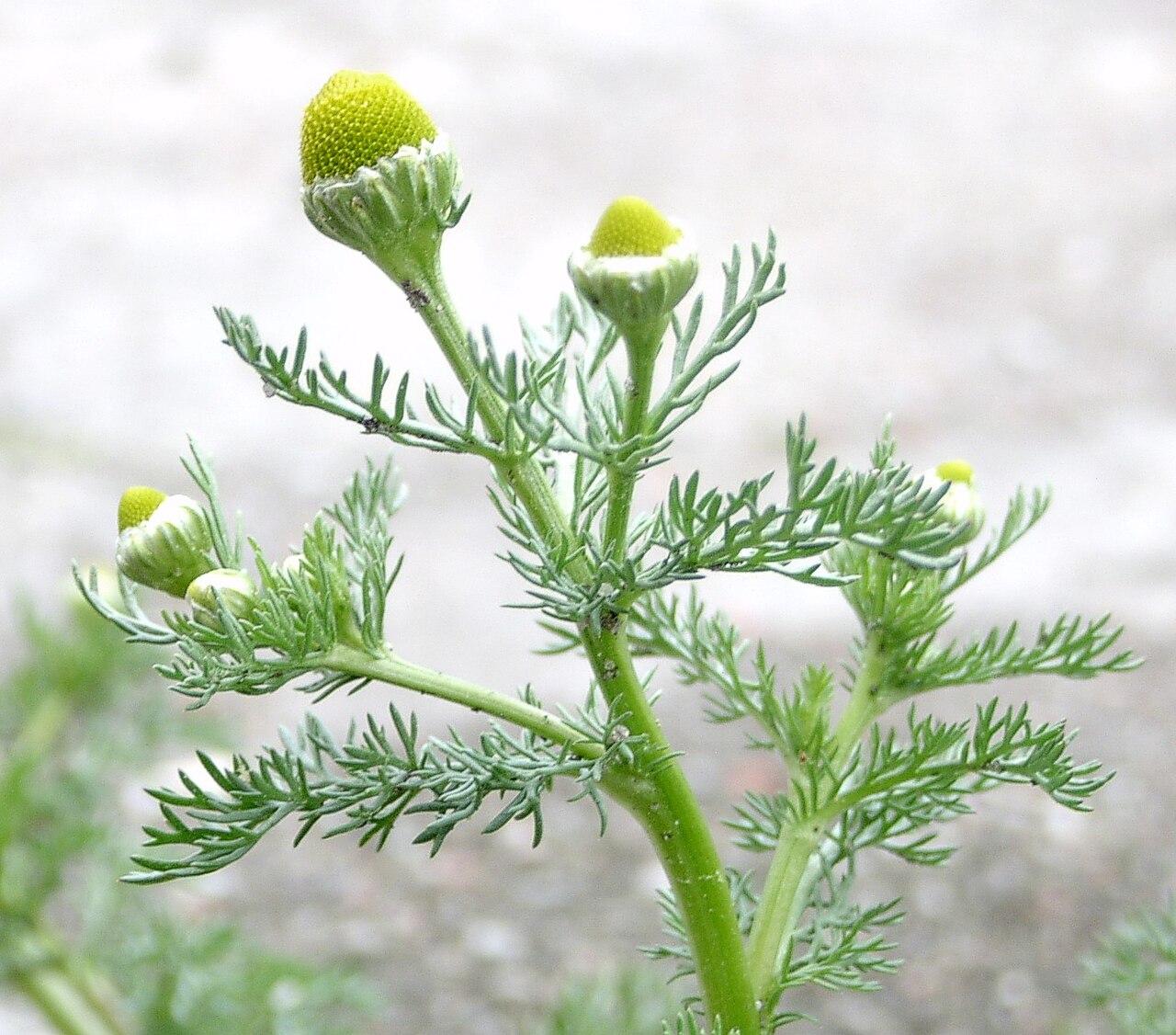
Photo of Pineapple weed
ⓒ

Photo: Krzysztof Ziarnek · CC BY-SA 3.0 · Original file (Wikimedia Commons)

Pineapple weed

파인애플 위드

A small weed that grows in hard soil in parking lots and by roadsides. Rub the flowers and they smell strongly of pineapple. It's a relative of chamomile, so tea brewed from the flowers is a sweet chamomile tea that smells of pineapple.

Photo of Bog myrtle
ⓒ

Photo: Photographer and uploader was Hajotthu at de.wikipedia · CC BY-SA 3.0 · Original file (Wikimedia Commons)

Bog myrtle

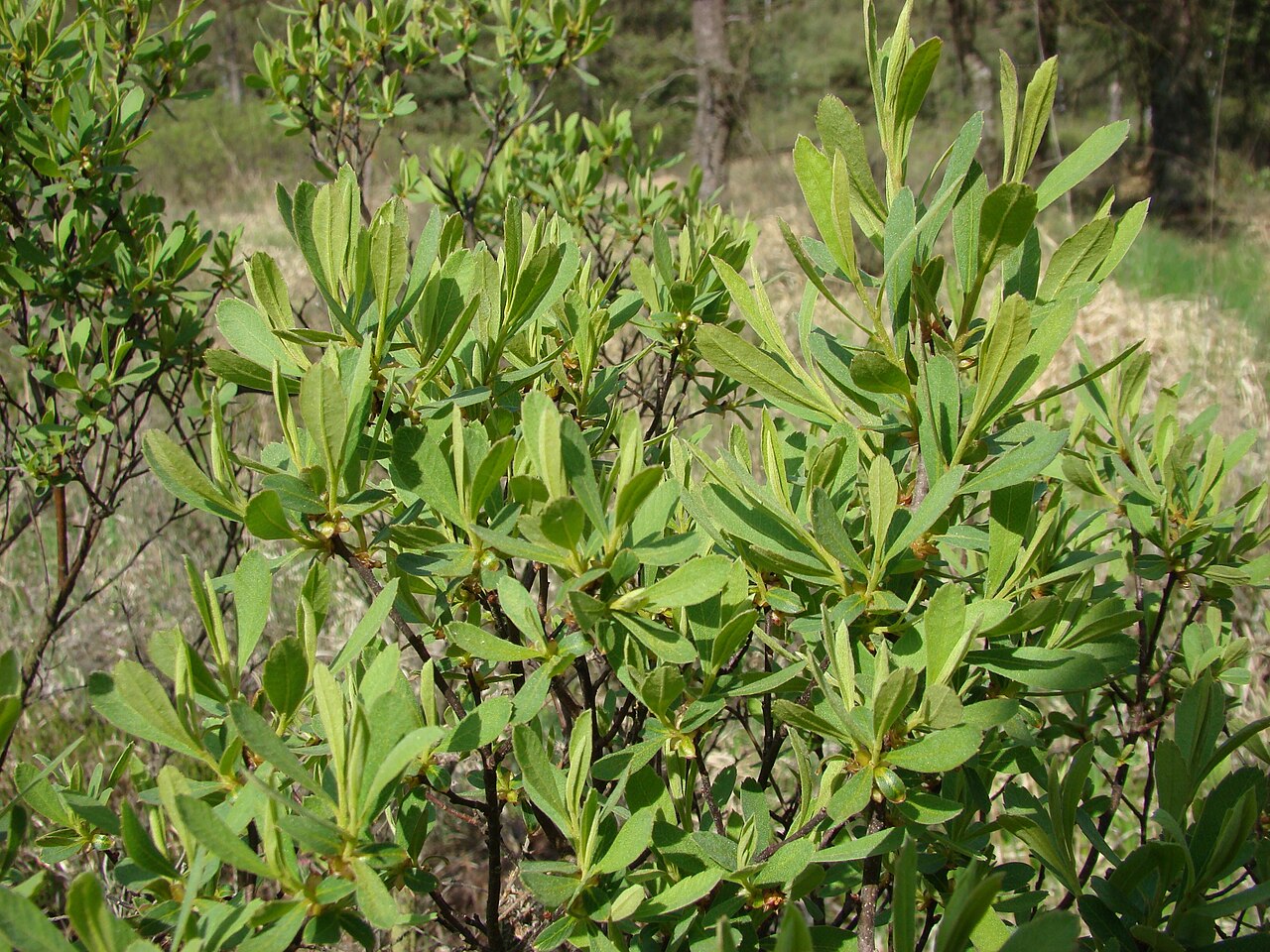
보그 머틀

Before hops were used, this herb gave medieval European beer its bitterness and aroma. Rub a leaf and your hands smell fragrant for hours. Some breweries in Belgium and Britain still make beer with it.

Photo of Alexanders
ⓒ

Photo: tato grasso · CC BY-SA 3.0 · Original file (Wikimedia Commons)

Alexanders

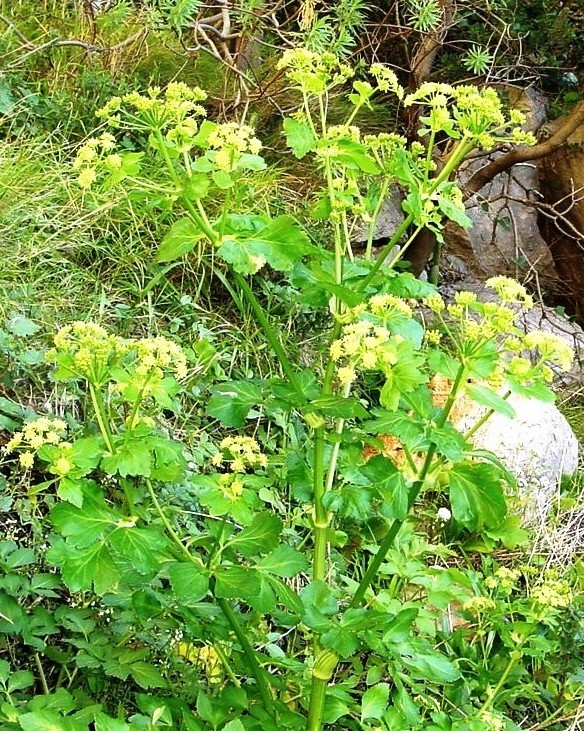
알렉산더스

A vegetable the Romans brought to Britain, later forgotten when celery took over. It has an unusual taste: celery and parsley with a myrrh-like aroma. It still grows on British coasts and at old monastery sites.

Photo of Stinging nettle
ⓒ

Photo: Charles J. Sharp · CC BY-SA 4.0 · Original file (Wikimedia Commons)

Stinging nettle

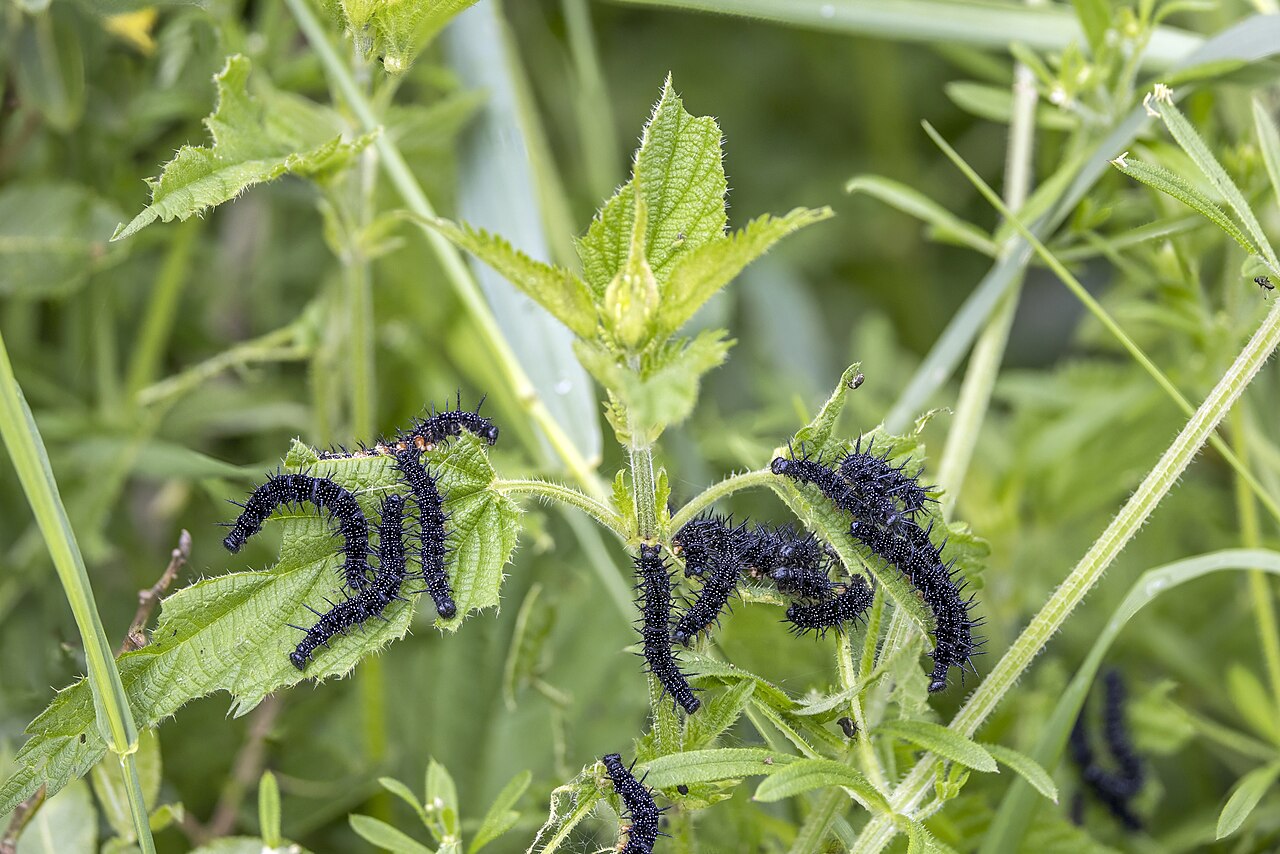
쐐기풀

Just brushing against it stings, but the moment it's blanched the sting disappears and it becomes a tasty green, richer than spinach. In Europe, people make a green nettle soup when spring arrives.

Photo of Rose geranium
ⓒ

Photo: Nicolas Ramirez · CC BY-SA 4.0 · Original file (Wikimedia Commons)

Rose geranium

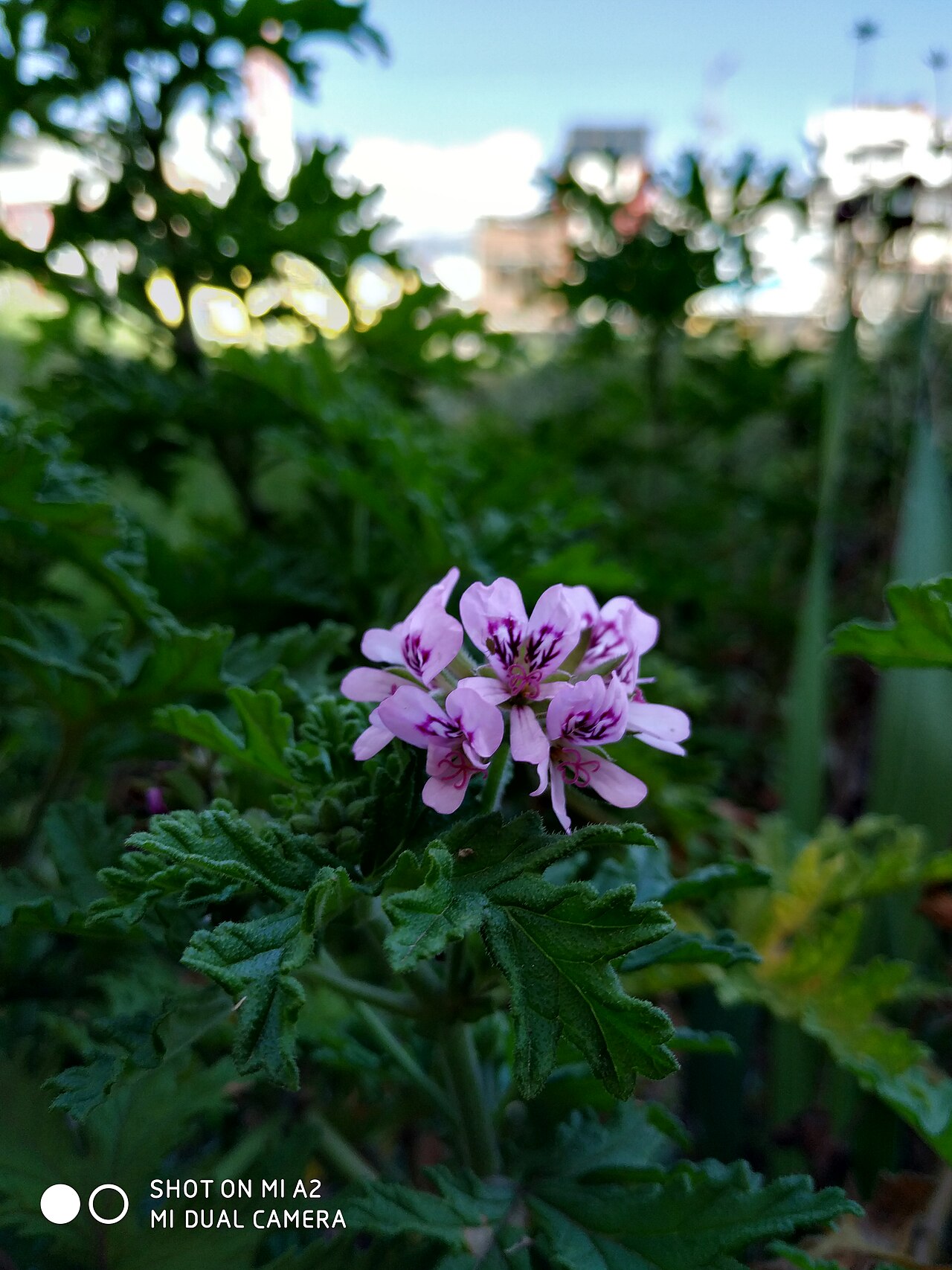
로즈 제라늄

A geranium whose leaves smell like a mix of rose and lemon when gently rubbed. Line a cake tin with these leaves and bake, and the cake picks up a gentle rose scent.

Photo of Lemon balm
ⓒ

Photo: Lazaregagnidze · CC BY-SA 4.0 · Original file (Wikimedia Commons)

Lemon balm

레몬 밤

It looks like mint, but its leaves smell of lemon when you touch them. Bees love its flowers, so it got a name meaning "honeybee" in Greek. It's also used in the French liqueur Chartreuse.