Stinging nettle
쐐기풀
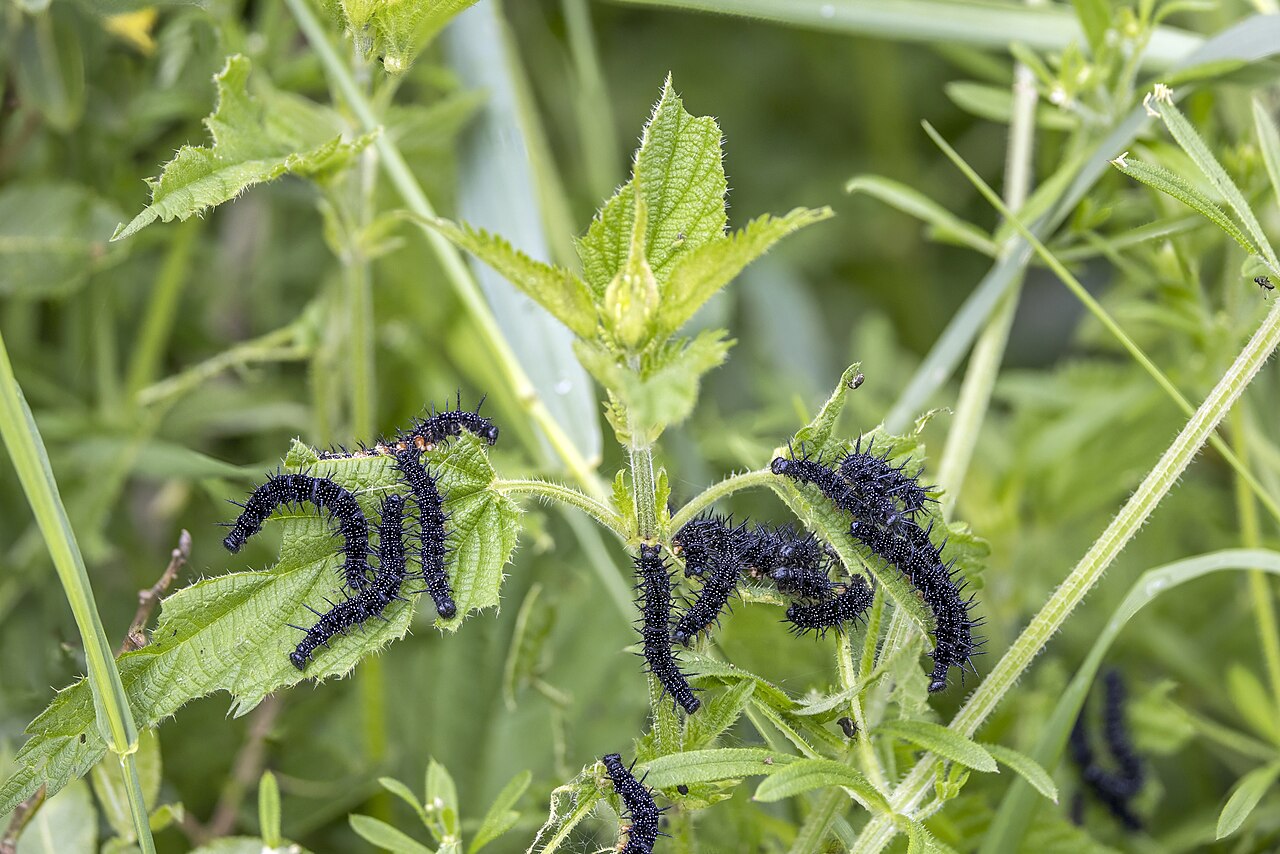
ⓒ
Photo: Charles J. Sharp · CC BY-SA 4.0 · Original file (Wikimedia Commons)
Just brushing against it stings, but the moment it's blanched the sting disappears and it becomes a tasty green, richer than spinach. In Europe, people make a green nettle soup when spring arrives.
Flavor and aroma
- It's similar to spinach but richer and earthier, with a hint of cucumber.
- Cooked, it has a savory, deep flavor.
Fun facts
- The scientific name Urtica comes from the Latin uro, "I burn."
- It stings because tiny hairs on the leaves and stems break and release chemicals.
- Blanching, boiling, soaking in water, drying or blending raw all remove the sting.
- In Europe and the US there are even cheeses made with nettles.
In the kitchen
Drinks
- Dry it for tea.
Cooking
- Use it instead of spinach in risotto, lasagna, pizza toppings, omelets, quiche and Greek spinach pie (spanakopita).
Sauces
- Make pesto (blending it raw removes the sting) or a purée sauce for fish and chicken.
Soups
- Cook it with potato, onion and stock, then blend into a green nettle soup.
Goes well with
PotatoGarlicButterCheeseEggsRicottaLemon
Tips
- Always wear gloves when picking it. Blanched in boiling water for about 2 minutes, it no longer stings.
Season
We're still checking the season. We'll add it once we find a source.
Details
- Korean name
- 쐐기풀
- English names
- stinging nettle
- Scientific name
- Urtica dioica
- Family
- Urticaceae
- Genus
- Urtica
- Other names and notes
- Korean: ssaegipul
Cautions
Touching or eating it raw stings. Always cook or blanch it before using.
Show sources for this page
References for this herb
- Hunter Angler Gardener Cook(Hank Shaw)
- NPR
- Edible New Mexico
- Longwood Gardens
- Jekka's Herb Farm
Name and classification
Photo
Charles J. Sharp · CC BY-SA 4.0 · Original file (Wikimedia Commons)