Pipicha
피피차
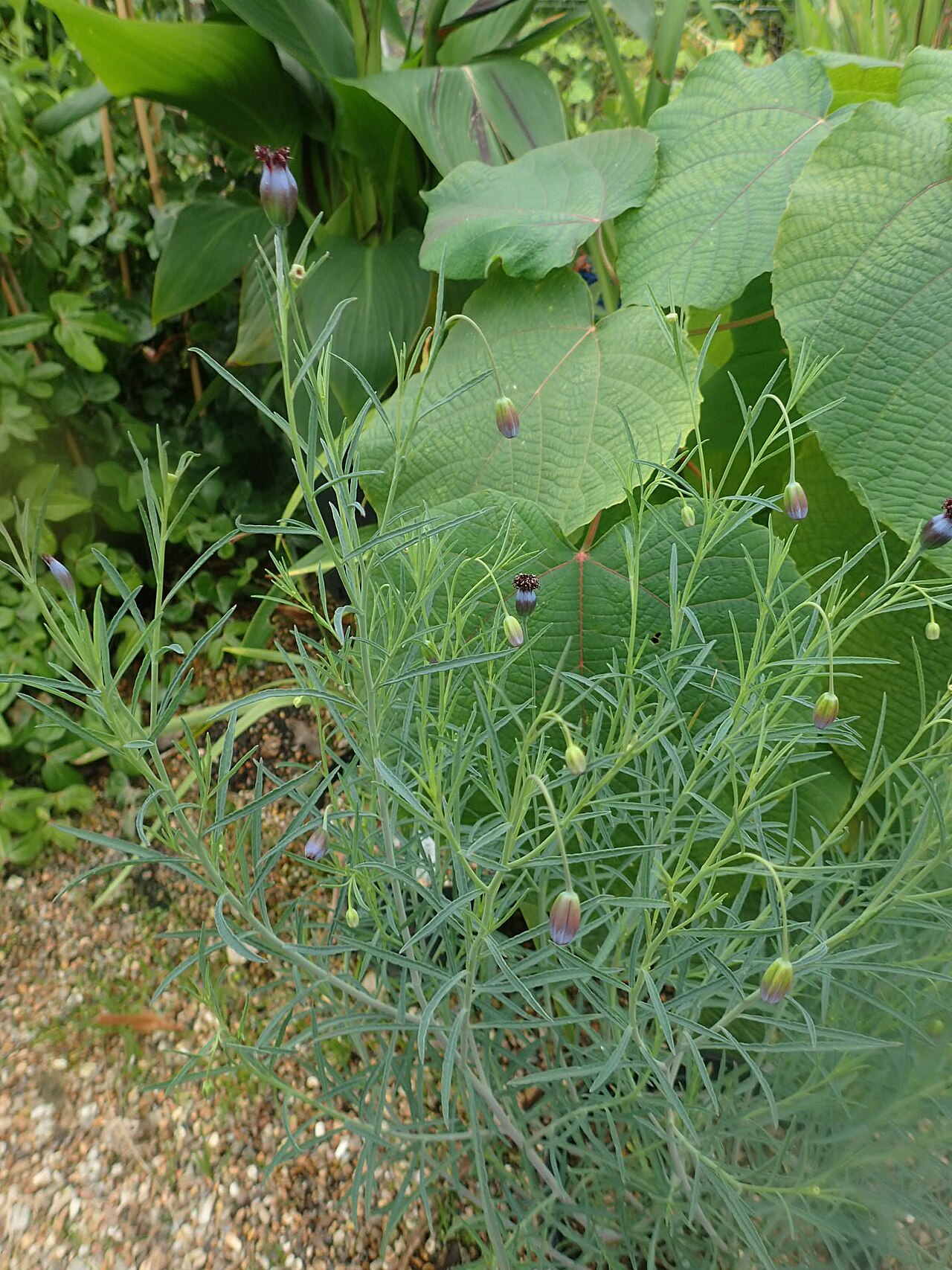
ⓒ
Photo: peganum · CC BY-SA 2.0 · Original file (Wikimedia Commons)
A thin-leaved relative of papalo. It's like cilantro with lemon and anise, plus a touch of pine and mint. In Oaxaca, Mexico, it's an herb people always eat when spring comes.
Flavor and aroma
- It has a cilantro-like aroma with lemon and anise, plus a hint of pine and mint.
- It's much stronger than cilantro, with a deep green aroma.
Fun facts
- It has grown wild in Puebla and Oaxaca, Mexico, since long ago.
- It also has the nickname "coyote's tail."
- Papalo has wide leaves and pipicha has thin ones, which is how you tell them apart.
In the kitchen
Raw
- Put it on tacos and tortas (Mexican sandwiches).
Cooking
- Sprinkle it on chicken, chorizo, beef and white fish. Add it to salsa verde too.
Soups
- Add it to sopa de guías, an Oaxacan soup with squash vines and corn.
Rice
- Add it to Oaxacan white rice (arroz blanco) for aroma.
Goes well with
CornSquashChickenTomatoChili
Tips
- It's very strong, so use a little at a time. Use fresh leaves within 3 days in the fridge.
Season
We're still checking the season. We'll add it once we find a source.
Details
- Korean name
- 피피차
- English names
- pipicha, pepicha, chepiche
- Scientific name
- Porophyllum linaria
- Former scientific names
- Porophyllum tagetoides
- Family
- Asteraceae
Same genus as papalo - Genus
- Porophyllum
Show sources for this page
References for this herb
- Wikipedia
- Specialty Produce
- Gardening Know How
- Masa America
- Richters
Name and classification
Photo
peganum · CC BY-SA 2.0 · Original file (Wikimedia Commons)