Agretti
아그레티
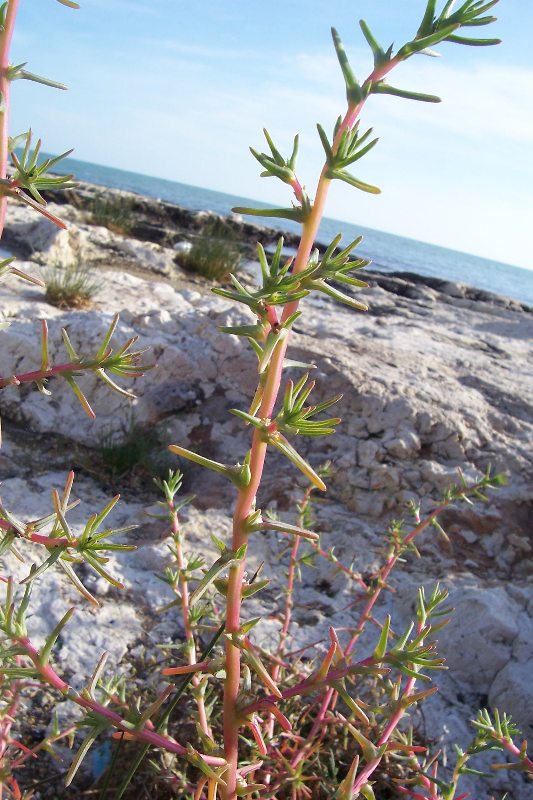
ⓒ
Photo: Luigi Rignanese · CC BY-SA 3.0 · Original file (Wikimedia Commons)
Thin, long green stems hang like a beard, so in Italy it's called "monk's beard." It's crunchy with a slightly sour, salty taste. It's a prized vegetable that appears only briefly in spring.
Flavor and aroma
- It's slightly sour and bitter, with a mineral-like saltiness.
- Cooked briefly, it stays crunchy.
Fun facts
- Its Italian name, barba di frate, means "monk's beard."
- In the past, soda ash was obtained from the burnt plant to make glass and soap. The word soda in its scientific name comes from this.
- Glassmakers on Murano in 15th-century Venice are said to have made clear glass from this ash.
- The name of the element sodium also comes from this "soda."
In the kitchen
Salads
- Steam it and serve with boiled eggs, olives and tomato. In southern Italy it's eaten with tomato and anchovies.
Blanching
- Trim the roots and red bases, boil for about 5 minutes and season with salt, olive oil and lemon.
Pasta
- Sauté it in olive oil with garlic and dried chili and toss with spaghetti. The thin stems mix well with the noodles.
Stir-fry
- Sauté it with pancetta (Italian bacon).
Goes well with
GarlicChiliLemonOlive oilPancettaAnchoviesEggs
Tips
- Don't cook it for long. Only very young agretti is eaten raw. It keeps only 1–2 days in the fridge, and freezing isn't recommended. It's available only briefly from late winter to spring.
Season
We're still checking the season. We'll add it once we find a source.
Details
- Korean name
- 아그레티
- English names
- agretti, monk's beard, saltwort
- Scientific name
- Soda inermis
- Former scientific names
- Salsola soda
- Family
- Amaranthaceae
A close relative of sea beans (hamcho) - Genus
- Soda
- Other names and notes
- Italian: barba di frate
Show sources for this page
References for this herb
- Specialty Produce
- Gambero Rosso
- Linkiesta
- Italian Food Forever
- Frantoi Cutrera
Name and classification
Photo
Luigi Rignanese · CC BY-SA 3.0 · Original file (Wikimedia Commons)