Papalo
파팔로
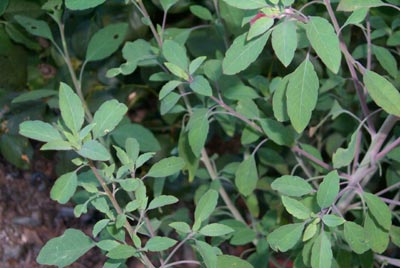
ⓒ
Photo: User:JoeCarrasco · CC BY-SA 3.0 · Original file (Wikimedia Commons)
If you like cilantro, this herb will surprise you. It's like cilantro mixed with arugula's bitterness and a citrus note, and far more intense than cilantro. It's a must in cemita, a sandwich from Puebla, Mexico.
Flavor and aroma
- It tastes somewhere between cilantro and arugula, with hints of citrus, mint and cucumber.
- It's much stronger than cilantro, and people either love it or hate it.
Fun facts
- In English it's called "Bolivian coriander" or "summer cilantro," but it's from a different family (daisy family) than cilantro.
- Unlike cilantro, which bolts in summer heat, you can pick its leaves all summer long.
- In Bolivia it goes into llajwa, a spicy chili sauce.
In the kitchen
Raw
- Eat whole leaves with tomato and avocado. Add it to salads too.
Cooking
- Pile it into cemita, the Puebla-style Mexican sandwich. Put it on grilled meat and carne asada tacos.
- Add it at the end to bean dishes and soups.
Sauces
- Chop it into salsa and salsa verde. Blend it with pine nuts, garlic and olive oil for pesto.
Goes well with
TomatoAvocadoMangoCornMeatBeans
Tips
- Cooking destroys the aroma, so use it raw or add it last. It's strong, so start with less than you would cilantro and add to taste. Drying also destroys the aroma, so to keep it longer, cover it in oil and freeze.
Season
We're still checking the season. We'll add it once we find a source.
Details
- Korean name
- 파팔로
- English names
- papalo, Bolivian coriander, summer cilantro, quillquiña
- Scientific name
- Porophyllum ruderale
- Family
- Asteraceae
- Genus
- Porophyllum
Show sources for this page
References for this herb
- Wikipedia
- 미국 국립식물원(USBG)
- Specialty Produce
- Gardenista
- Hobby Farms
- Homesick Texan
Name and classification
Photo
User:JoeCarrasco · CC BY-SA 3.0 · Original file (Wikimedia Commons)