Za'atar
자타르 허브
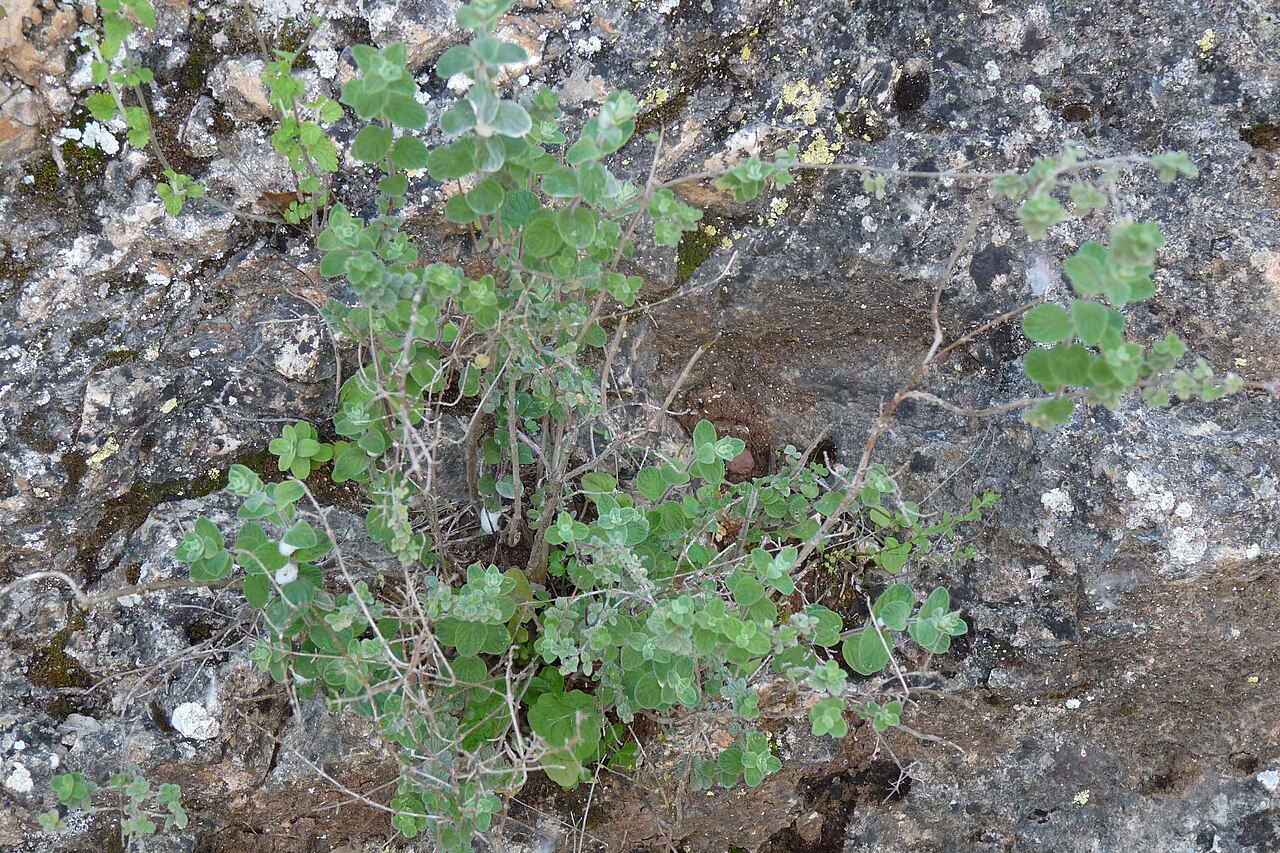
ⓒ
Photo: Kippi70 · CC BY-SA 3.0 · Original file (Wikimedia Commons)
The original plant behind za'atar, the famous Middle Eastern seasoning. It smells like oregano, thyme and marjoram combined. Many scholars think the "hyssop" in the Bible is this plant.
Flavor and aroma
- It smells like oregano, thyme and marjoram combined, and is stronger than ordinary oregano.
Fun facts
- Many interpret the ezov (hyssop) in the Hebrew Bible as this plant, so it's also called "Bible hyssop."
- It comes from the eastern Mediterranean, including Lebanon and Syria.
- Za'atar is both the name of the plant and the name of the seasoning made from its leaves.
In the kitchen
Raw
- Make a Levantine za'atar salad with fresh leaves, chopped onion, garlic, lemon juice, olive oil and sumac.
Baking
- Make Turkish pastries (börek) with za'atar.
Seasoning
- Mix dried leaves with toasted sesame seeds, sumac (a tart berry powder) and salt to make za'atar seasoning. Spread it on bread (manakish) with olive oil and bake.
Goes well with
SesameSumacOlive oilLemonOnionBreadLabneh (yogurt cheese)
Tips
- Tie the stems in small bunches, hang them upside down to dry, then strip off the leaves to store. They keep about a year, but the aroma gradually fades.
Season
We're still checking the season. We'll add it once we find a source.
Details
- Korean name
- 자타르 허브
- English names
- za'atar, Syrian oregano, Lebanese oregano, Bible hyssop
- Scientific name
- Origanum syriacum
- Family
- Lamiaceae
- Genus
- Origanum
Show sources for this page
References for this herb
- Wikipedia
- 베이루트 아메리칸대학교(AUB) 식물 데이터베이스
- Seedaholic
- Slow Food
Name and classification
Photo
Kippi70 · CC BY-SA 3.0 · Original file (Wikimedia Commons)