Hoja santa
호하 산타
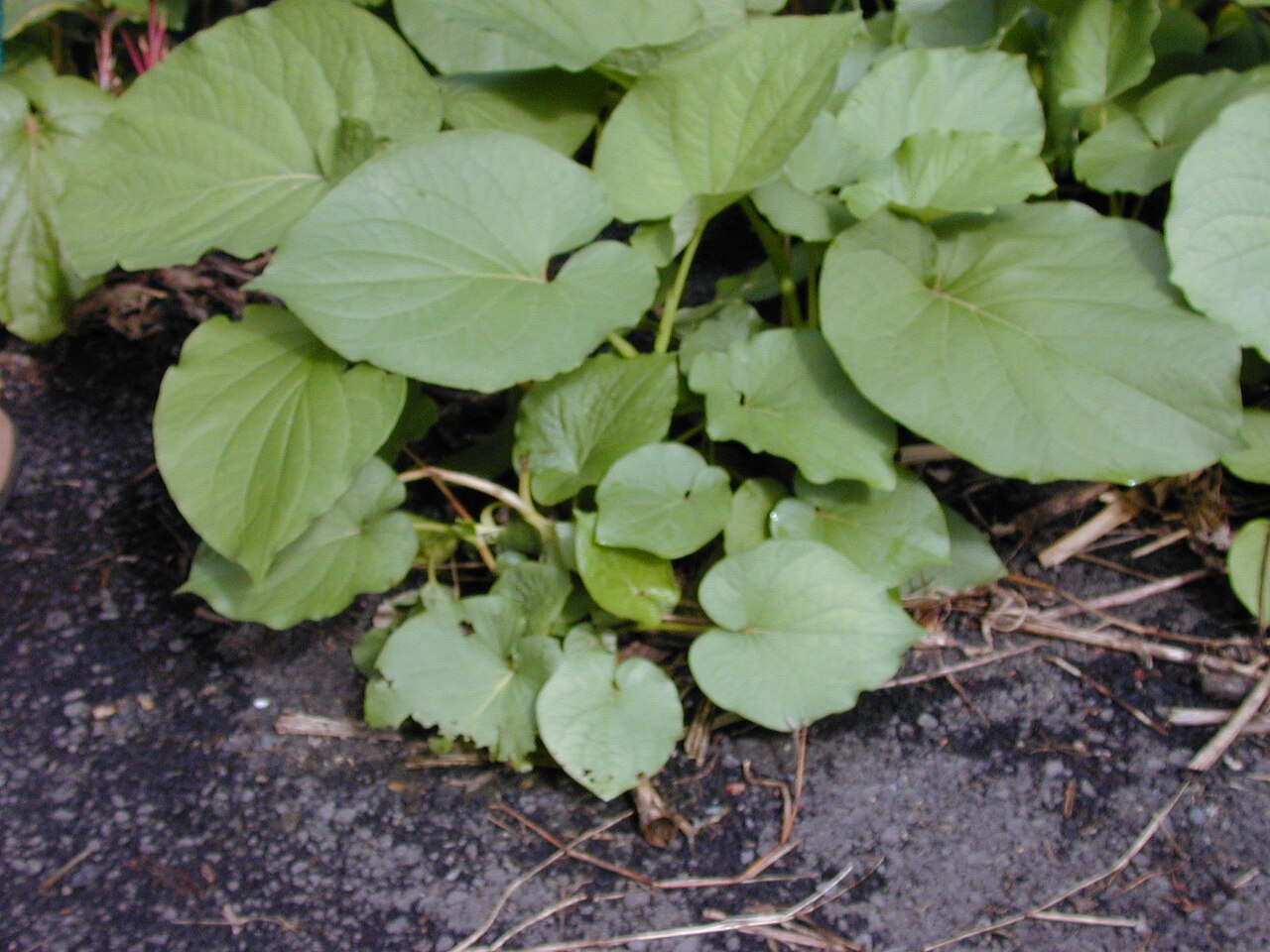
ⓒ
Photo: Forest & Kim Starr · CC BY 3.0 · Original file (Wikimedia Commons)
Its big heart-shaped leaves smell of root beer (an American soft drink), so it's called the "root beer plant." In Mexico, fish or cheese is wrapped in these large leaves and steamed.
Please read before eating. This herb needs some care. See cautions
Flavor and aroma
- It has a complex aroma that brings root beer to mind, with notes of licorice, anise, mint and pepper.
- It's in the same family as black pepper, so it's a little peppery. The young stems and leaf veins are more aromatic.
Fun facts
- The name means "holy leaf" in Spanish.
- Folklore The name is said to come from a Mexican legend that the Virgin Mary dried the baby Jesus's diapers on this plant.
- The leaves can grow over 30cm.
- In southeastern Mexico, the leaves are used to make a green liqueur called verdín.
In the kitchen
Drinks
- In central Mexico it's used to flavor chocolate drinks.
Cooking
- Shred it into soups (such as pozole), stews and scrambled eggs.
Sauces
- It's essential in mole verde and mole amarillo, green and yellow sauces from Oaxaca, Mexico. Make it into pesto too.
Wrapping and cooking
- Wrap fish, shrimp, scallops, chicken or pork in the leaves with garlic and shallot, then steam or grill. Goat cheese can be wrapped in the leaves too.
Tamales
- Use it instead of corn husks or banana leaves to wrap tamales.
Goes well with
CilantroLimeGarlicChiliTomatilloGoat cheese
Tips
- The leaves are stiff and split if you wrap with them straight away. Let them wilt slightly or soften them in hot water first. Dried leaves lose aroma and crumble, so they can't be used for wrapping.
Season
We're still checking the season. We'll add it once we find a source.
Details
- Korean name
- 호하 산타
- English names
- hoja santa, Mexican pepperleaf, root beer plant
- Scientific name
- Piper auritum
- Family
- Piperaceae
- Genus
- Piper
Cautions
The aroma compound safrole was found to cause cancer in animal tests and has been banned as a food additive in the US since 1960. Fresh leaves contain only small amounts, so moderate use is unlikely to be harmful, but don't eat a lot.
Show sources for this page
References for this herb
- Wikipedia
- Specialty Produce
- Austin Chronicle
- Atlas Obscura
- Tasting Table
Name and classification
Photo
Forest & Kim Starr · CC BY 3.0 · Original file (Wikimedia Commons)