Curry leaf
커리잎
ⓒ
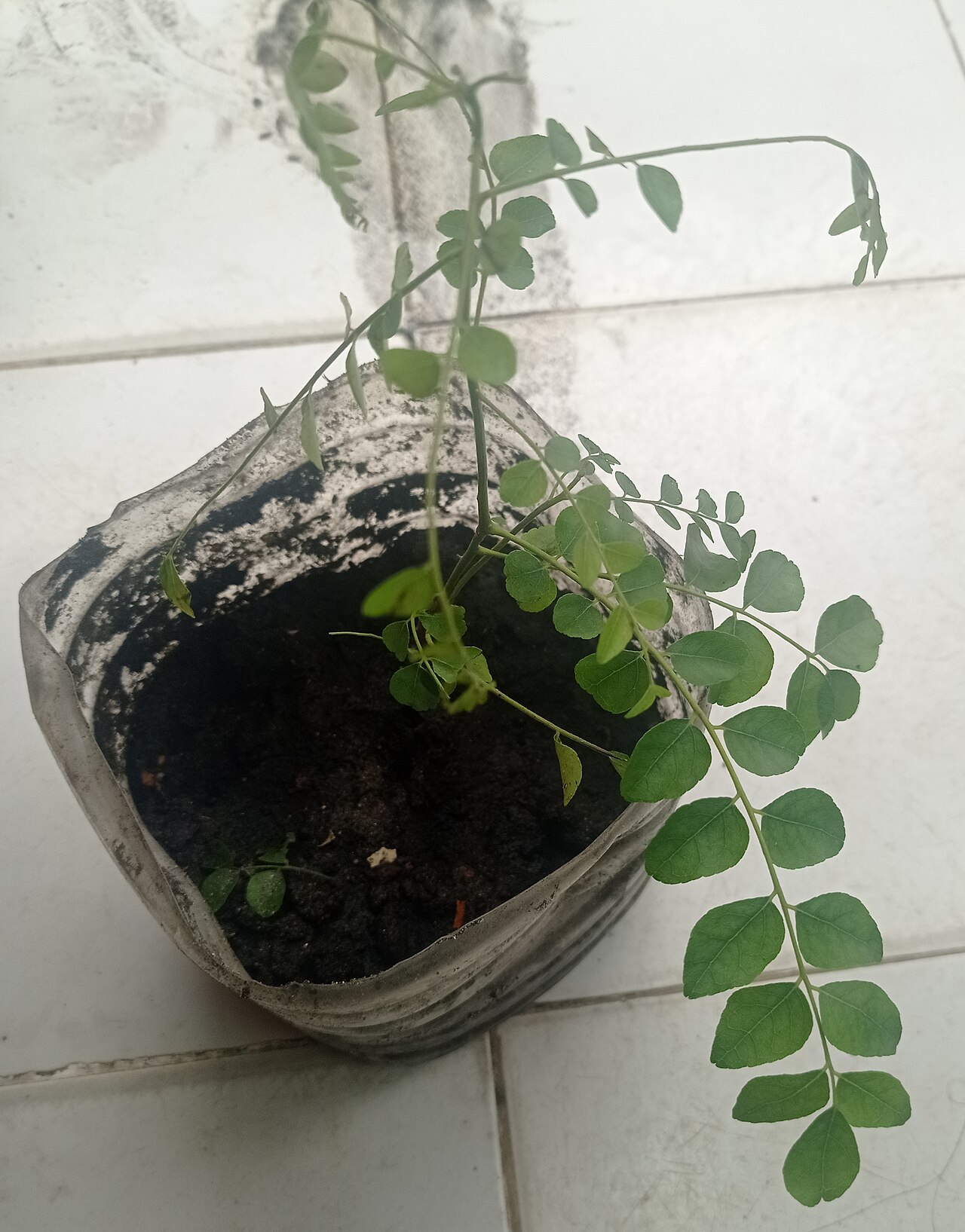
Photo: SarKaLay စာကလေး · CC BY-SA 4.0 · Original file (Wikimedia Commons)
Despite the name, these are leaves from a tree that has nothing to do with curry powder. Raw, they smell grassy, but the moment they hit hot oil, a nutty, fresh aroma bursts out. Most of the aroma of South Indian cooking comes from these leaves.
Flavor and aroma
- Fresh leaves taste mild, slightly bitter and grassy.
- Fried in oil, they become nutty, with a citrusy freshness and a slightly smoky aroma.
Fun facts
- It's unrelated to curry powder. It's in the same family as citrus trees (Rutaceae), so like citrus leaves it has fragrant oils.
- It comes from the forests of India and Sri Lanka. It's essential in South Indian cooking.
- Its scientific name recently changed from Murraya koenigii to Bergera koenigii.
In the kitchen
Cooking
- Add it to stews, soups, rice dishes, chutneys and snacks.
Tempering (tadka)
- At the start of cooking, add the leaves to very hot oil or ghee (clarified butter) to release their aroma, then pour it over the dish. Use it for curries, dal (lentil dishes) and rice.
Other ideas
- Fry the leaves in oil to flavor it, then remove the leaves and use it as a flavored oil.
Other countries
- Sri Lankan, Malaysian and Cambodian cooking also fry it in oil for aroma.
Goes well with
LentilsCoconutMustard seedsRicePotato
Tips
- Fresh leaves are far more aromatic than dried. Leaves that have turned yellow have lost their aroma. Add them when the oil is hot enough.
Season
We're still checking the season. We'll add it once we find a source.
Details
- Korean name
- 커리잎
- English names
- curry leaf
- Scientific name
- Bergera koenigii
- Former scientific names
- Murraya koenigii
- Family
- Rutaceae
- Genus
- Bergera
- Other names and notes
- Hindi: kadi patta
Show sources for this page
References for this herb
- NParks(싱가포르 국립공원청)
- ICAR 인도 향신료연구소
- Wikipedia
- Tasting Table
- Masala and Chai
Name and classification
Photo
SarKaLay စာကလေး · CC BY-SA 4.0 · Original file (Wikimedia Commons)